European Commission Proposes €45 Billion Loan to Ukraine
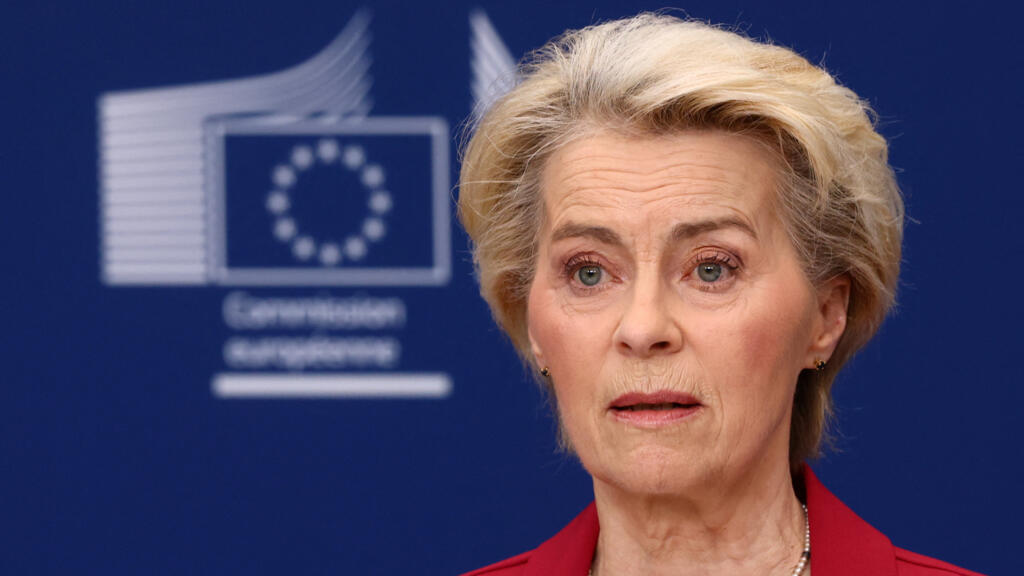
On Wednesday, European Commission President Ursula von der Leyen announced a significant proposal aimed at supporting Ukraine amidst the ongoing conflict with Russia. The proposed loan, amounting to €45 billion, is set to assist Ukraine in covering approximately two-thirds of its financing needs by the year 2027. This financial aid is pivotal for Ukraine as it continues to navigate the challenges posed by the war, which has severely impacted its economy and infrastructure.
In her announcement, von der Leyen emphasized that the loan would be repaid through future war reparations expected from Russia. This innovative approach to financing is seen as a method to hold Russia accountable for the devastation caused by the conflict, while simultaneously providing critical support to Ukraine. The reliance on reparations as a means of repayment underlines the EU's position on the necessity of attributing responsibility for the ongoing war.
The proposed loan signals the European Union’s commitment to supporting Ukraine in its efforts to recover and rebuild after years of conflict. As the situation in the region continues to evolve, the EU’s financial assistance plays a crucial role in stabilizing Ukraine's economy and ensuring the government can continue to function effectively. The support also highlights the EU's broader strategy of fostering resilience in Ukraine, helping it to strengthen its institutions and infrastructure as it aspires for closer integration with Europe.
In addition to addressing immediate financing needs, von der Leyen's proposal reflects the EU's long-term vision for Ukraine's recovery and development. The anticipation of receiving reparations from Russia further emphasizes the necessity of international cooperation and accountability in the post-war context. The prospect of a significant influx of funds derived from reparations could potentially aid in fulfilling Ukraine's reconstruction goals, thereby facilitating a more robust recovery process.
Ukraine’s financing needs have been compounded by the ongoing military operations, which have led to a dramatic increase in expenditures and a sharp decline in revenue. The proposed funding aims to alleviate some of the financial burdens faced by the Ukrainian government, providing essential resources needed for public services and infrastructure rebuilding. This assistance is crucial, especially as Ukraine continues to implement reforms and build a more resilient economy capable of withstanding future challenges.
Furthermore, the loan proposal comes at a time when various international stakeholders, including the United States and other European nations, are also considering measures to support Ukraine. This coordinated effort among allies highlights a united front against aggression and an unwavering commitment to Ukraine's sovereignty and territorial integrity. The financial aid from the EU complements other forms of assistance being provided to Ukraine, including military support and humanitarian aid, creating a comprehensive framework for assistance.
In summary, Ursula von der Leyen's announcement of a proposed €45 billion loan to Ukraine represents a critical element in the EU's strategy to support the country as it deals with the repercussions of war. The emphasis on future reparations from Russia for repayment not only addresses immediate financial challenges but also reinforces the need for accountability and justice in the wake of the conflict. This initiative is likely to play a significant role in the recovery process, helping to lay the foundation for a stable and prosperous future for Ukraine.