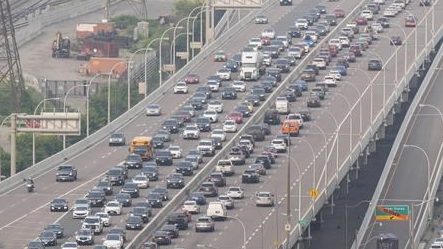
As employees in Toronto increasingly return to the office, the city is bracing for a significant rise in congestion and traffic. In response to this expected demand, Mayor Olivia Chow has revealed new changes to the public transit system aimed at accommodating the growing number of commuters.
“Faster, more trains, less crowding. Yay. Two minutes and 20 seconds instead of every three and a half minutes, a train is going to come,” stated Mayor Chow, highlighting the improvements that are set to make public transit more efficient.
The Toronto Transit Commission (TTC) plans to restore service on Line 2 (Bloor-Danforth) to pre-pandemic levels by adding six additional trains during peak hours. This enhancement will be accompanied by increased service on several bus routes, including the 72 Pape, 73 Royal York, and 94 Wellesley. Similarly, Metrolinx announced that it will introduce more rush-hour trips on the Lakeshore East, Lakeshore West, Barrie, and Stouffville GO lines.
Despite these improvements, experts caution that the increasing number of commuters may place significant strain on the transit system. Matti Siemiatycki, a professor of geography and planning at the University of Toronto, commented, “The transit system is creaking. I mean, it’s aged. There are issues around go slow zones. There are issues around the bus systems, especially in places like Scarborough and North Etobicoke. It’s hard to get around this system on public transit.”
Toronto Commuters Face Long Commute Times
Data from Statistics Canada, released earlier this year, shows that Toronto commuters experience the longest average commute times in Canada, averaging close to 35 minutes. This figure represents an increase of nearly two minutes from the previous year, while the national average sits just under 27 minutes. Siemiatycki emphasizes the necessity for more reliable service to encourage commuters to choose public transit over driving their cars, stating, “If we have a car-based recovery, it’s going to be a nightmare. Our roads are going to be packed. There’s going to be gridlock everywhere.”
The city has outlined plans to address the impending traffic congestion. Officials aim to add 100 traffic agents, strategically manage construction road closures, reduce delays at intersections, and enhance overall transit reliability. However, these initiatives may face hurdles, particularly with a significant construction project that is set to close the southbound off-ramp from the Don Valley Parkway to Richmond Street. This closure will last until next spring, raising concerns about the city’s efficiency in managing construction projects.
Siemiatycki has stressed the importance of enforcement to ensure that existing road space is utilized effectively. “Enforcement is critical to make sure that the roads that we do have, the space that we do have is being used the most efficiently,” he remarked.
Furthermore, he believes that a successful recovery will require a collaborative effort, including businesses adjusting employee hours and promoting carpooling as measures to alleviate pressure on the transit network.
The TTC has indicated that these changes mark the beginning of a phased expansion throughout the network, with more service adjustments anticipated in the coming months.