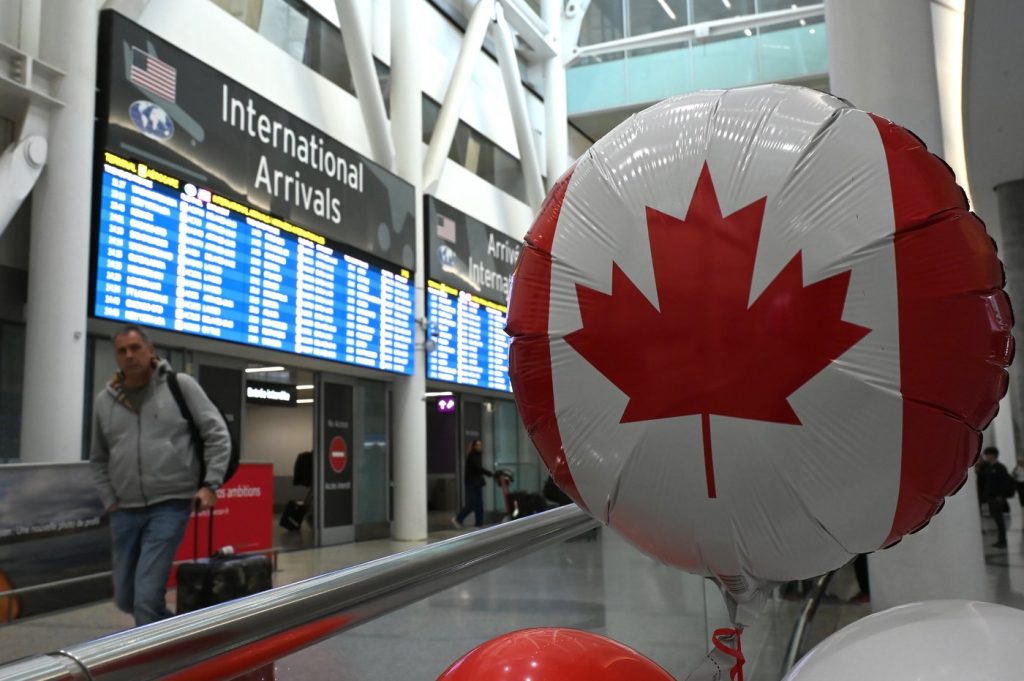
This week, several Canadian airlines, including WestJet, Air Canada, Flair Airlines, Air Transat, and Porter Airlines, cancelled or diverted flights to Mexico's popular tourist destination, Puerto Vallarta, due to escalating violence. This unrest follows the reported killing of a major drug cartel leader during a government operation, contributing to an already turbulent travel season as uncertainties loom ahead of the March break.
On Monday evening, WestJet announced it would resume flights to and from Puerto Vallarta, Guadalajara, and Manzanillo on Tuesday, following a thorough review of the situation. Similarly, Air Transat planned to recommence its services to Puerto Vallarta after receiving positive updates from local authorities.
The Canadian government reported that over 26,000 Canadians currently in Mexico have registered with Global Affairs Canada. Those back in Canada who were contemplating trips to Mexico are now placed in a "wait-and-see" mode, according to Richard Vanderlubbe, president of Canadian travel agency tripcentral.ca. Vanderlubbe described the current state as being "in the eye of the storm," acknowledging the likelihood of a temporary pause in travel plans. He indicated that concerns often lead to fluctuations in travel prices, which could affect overall demand.
While Puerto Vallarta's popularity may experience a decline in the short term, other Mexican tourist hotspots, such as Cancun, which is situated far from the turmoil gripping the Puerto Vallarta area, continue to attract interest. Anita Emilio, executive vice-president of Flight Centre Canada, noted that only around 10 percent of their bookings to Mexico are allocated to the Puerto Vallarta region. She also stated that if unrest in Mexico persists, alternative destinations like the Dominican Republic may benefit from the situation. Furthermore, Emilio is advising clients to consider cruise travel options for greater flexibility in case of regional issues.
These recent challenges in tourism come in the aftermath of service disruptions related to Cuba, where a humanitarian crisis is developing due to a U.S. oil blockade. All Canadian airlines have suspended operations to Cuba indefinitely, and the Canadian government recommends avoiding non-essential travel to the country amid worsening shortages of critical resources, including fuel, electricity, food, water, and medicine. Vanderlubbe mentioned that more than 2,600 bookings through his agency were cancelled due to this situation, resulting in a significant shift as thousands of travelers sought alternative options for their upcoming vacations.
He emphasized that Canadians traveling to Cuba have typically enjoyed a pricing advantage compared to other destinations, and this discrepancy may lead many to drop out of the market, as there are few comparable alternatives for Canadian holidaymakers.
However, demand for travel remains robust, especially as Canadians recover from a harsh winter, according to Emilio. She suggests that those who have had to modify their travel plans should remain flexible, stating there are still options available, albeit last-minute for the March break. She encourages travelers to consider non-traditional all-inclusive vacations in destinations such as Belize or Colombia, or to explore long-haul travel opportunities to places like Southeast Asia that offer a warm escape from the Canadian winter.