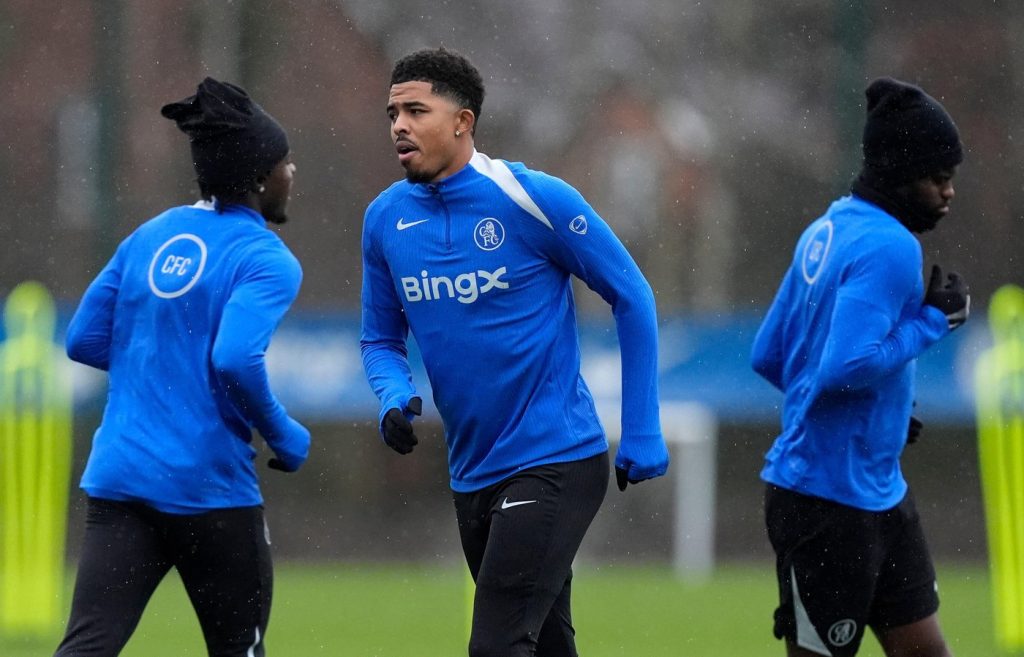
Four players from the Premier League faced incidents of racist abuse on social media following their matches during the weekend, highlighting the ongoing issue of racism in football. Chelsea defender Wesley Fofana and Burnley midfielder Hannibal Mejbri revealed racist messages they received via Instagram after their teams played to a 1-1 draw at Stamford Bridge on Saturday.
On Sunday, during a 1-0 defeat against Crystal Palace, Wolverhampton striker Tolu Arokodare was subjected to racially abusive messages on Instagram after missing a penalty. Furthermore, Romaine Mundle, a Sunderland winger, also encountered "vile online racist abuse" following his substitute appearance in a 3-1 home loss to Fulham. These incidents occurred shortly after UEFA launched an investigation regarding claims made by Real Madrid forward Vinicius Junior, who alleged he was racially abused by Benfica’s Gianluca Prestianni during a match in Lisbon.
Fofana, who received two yellow cards leading to his dismissal in the match against Burnley, shared screenshots of the hateful messages on Instagram, lamenting, "2026, it’s still the same thing, nothing changes. These people are never punished." He expressed frustration over the enduring nature of racism in society, questioning the effectiveness of anti-racism campaigns.
Mejbri echoed similar sentiments in his Instagram story, stating, "It’s 2026 and there are still people like that. Educate yourself and your kids, please." His remarks, along with those of Fofana, indicate a call for greater awareness and action against racism, not only in football but across broader societal frameworks.
In response to the abuse directed at Fofana, Chelsea issued a statement declaring the actions as "completely unacceptable" and contrary to the club's values. The club strongly supported Fofana and all players who suffer from this kind of hatred, committing to collaborate with relevant authorities and social media platforms to identify and take action against the perpetrators of such abuse.
Burnley also condemned the racist behavior, stating there is "no place for this in our society." They unreservedly denounced the actions and advocated for action against racial abuse. In the case of Arokodare, one of the hateful messages appeared to come from someone identifying themselves as a gambler. Arokodare expressed disbelief that individuals could communicate such racism so freely without consequences, stating, "It’s still unbelievable to me that we’re playing in a time where people have so much freedom to communicate such racism without any consequences."
Wolverhampton Wanderers issued a statement condemning all forms of racism, asserting that there is "no place for racism - in football, online, or anywhere in society." The club committed to report the abusive posts to the appropriate platforms while working with the Premier League and authorities to identify those responsible for the offenses and ensure that appropriate measures are taken.
The incidents involving these players underline the persistent challenge of combating racism in sports, especially in an era that demands accountability and action. As societies become increasingly aware of the implications of online behavior, calls for stricter regulations and durable change resonate louder across various platforms, compelling stakeholders in football and beyond to reevaluate their approaches to racism and discrimination.