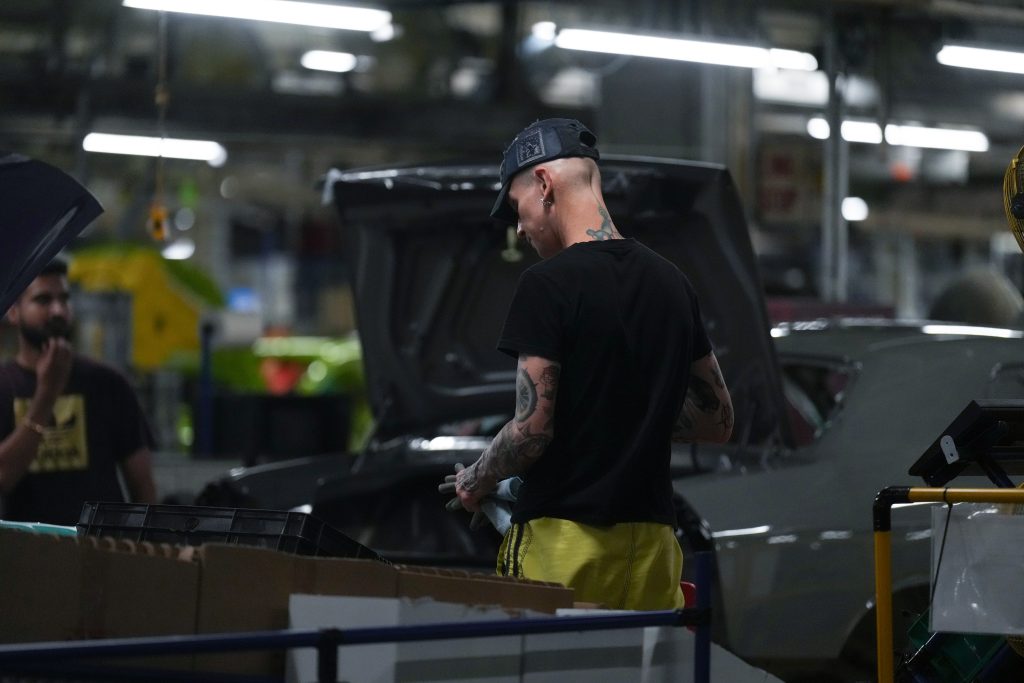
Stellantis, the world's fourth-largest automaker, has initiated a significant shift in its production strategy by moving the manufacturing of the Jeep Compass from its Brampton Assembly Plant in Canada to the Belvidere Assembly Plant in Illinois, USA. This change comes after the company paused the retooling of the Brampton facility back in February, assessing the production landscape amid a “dynamic environment.”
On Tuesday, Stellantis announced plans to invest $13 billion over the next four years to enhance its manufacturing capacity within the United States. This investment aims to boost its domestic vehicle production by 50 percent and create over 5,000 new jobs, reflecting a strong commitment to expanding operations in the U.S. market.
The union representing Brampton workers, Unifor, confirmed that this decision indeed includes the significant production shift of the Jeep Compass. The announcement has raised serious concerns regarding the stability of Canadian auto jobs, particularly from Unifor Local 1285 President Vito Beato, who emphasized the need to hold Stellantis accountable for its commitments made to workers and the surrounding communities.
The context of the production pause and subsequent relocation is rooted in U.S. trade policies, notably influenced by former President Donald Trump's imposition of a 25 percent tariff on Canadian-made vehicles entering the U.S. market. This decision has strained relationships and raised concerns about job security among Canadian workers. In response, Unifor National President Lana Payne has urged that saving the Brampton Assembly must become a national priority, signaling to corporations that such actions will not be tolerated.
Prime Minister Mark Carney has also weighed in on the situation, stating that the government is collaborating with the Ontario government and Unifor to implement protective measures for Stellantis employees and to create new opportunities within the industry. He pointed out that Stellantis’ decision was a direct consequence of existing U.S. tariffs and the potential for future trade actions that could affect North American auto production.
Mayor of Brampton, Patrick Brown, expressed his disappointment over Stellantis' announcement, describing it as a setback from the company's earlier commitments to modernize and retool the Brampton facility. Brown has pledged full support for Unifor’s efforts to safeguard local jobs while also advocating for a national strategy to enhance federal support and protect Canadian workers from adverse trade policies.
Stellantis operates 34 manufacturing plants, parts distribution centers, and research sites across 14 states in the U.S. Currently, out of the 16 million vehicles sold in the U.S. market by Stellantis, 8 million are produced domestically, while 4 million come from Canada and Mexico. The remainder of the vehicles are imported from Europe and Asia, with minimal U.S. component integration.
Having emerged from the merger of Fiat Chrysler and France’s Group PSA in 2021, Stellantis continues to navigate the complexities of the automotive manufacturing landscape, particularly influenced by international trade considerations.