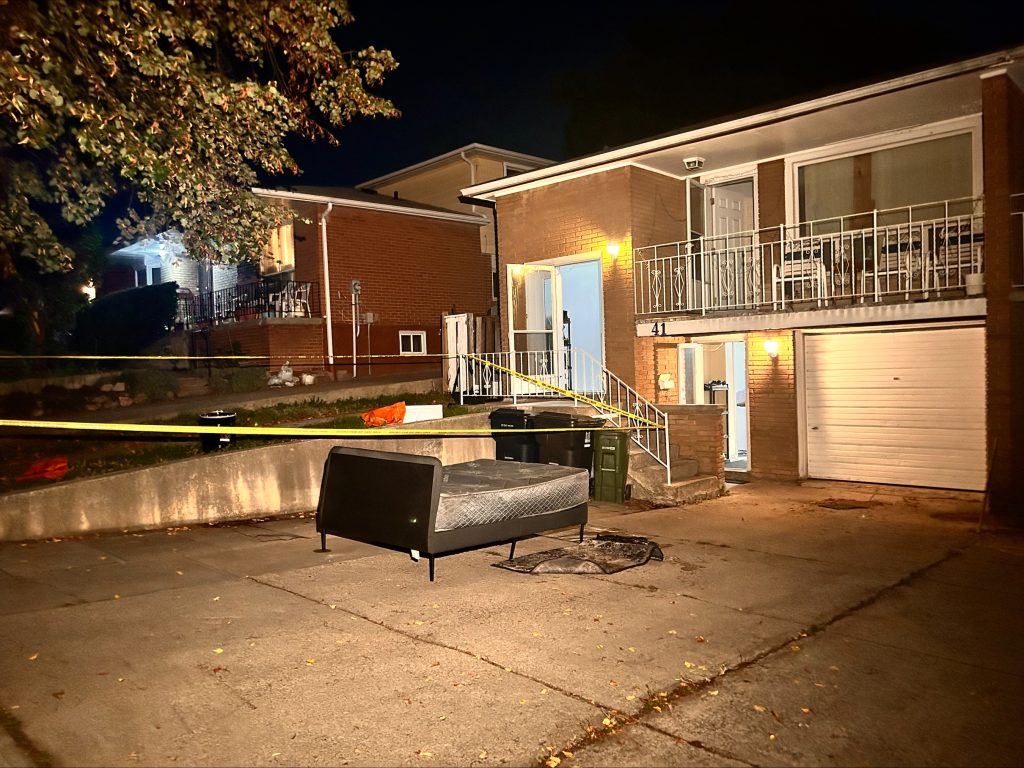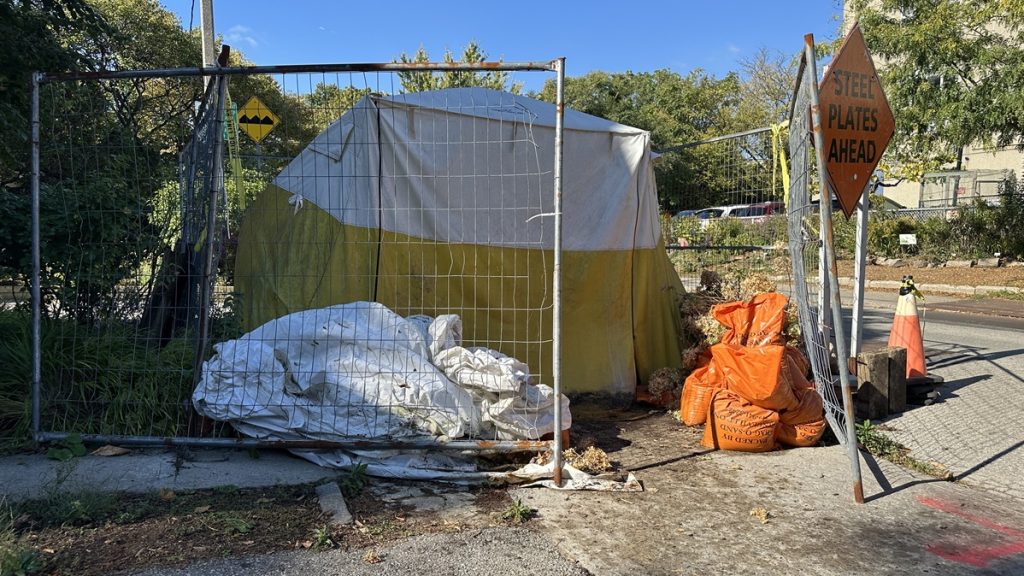
Nearly two years after the discovery of ancient human remains outside a Withrow Avenue home in Toronto, city officials and archaeological experts now believe they have identified evidence of at least five individuals buried at the site. This finding follows an initial discovery on January 5, 2024, during excavation work on a lead pipe from the 1880s, when crews unearthed human bones under a public sidewalk near the intersection of Withrow Avenue and Broadview Avenue, between Gerrard Street East and Danforth Avenue.
Lisa Merritt, an archaeologist and vice-president of ASI Heritage, a consultancy contracted by the City of Toronto for the investigation, explained the forensic process involved in determining the remains' background. "There are teeth, there are different parts of the skeleton that makes determination on age, sex and you can tell if you have multiples of the same piece," Merritt stated. She noted the likelihood of a communal grave, emphasizing that it is traditional for multiple individuals to be buried together.
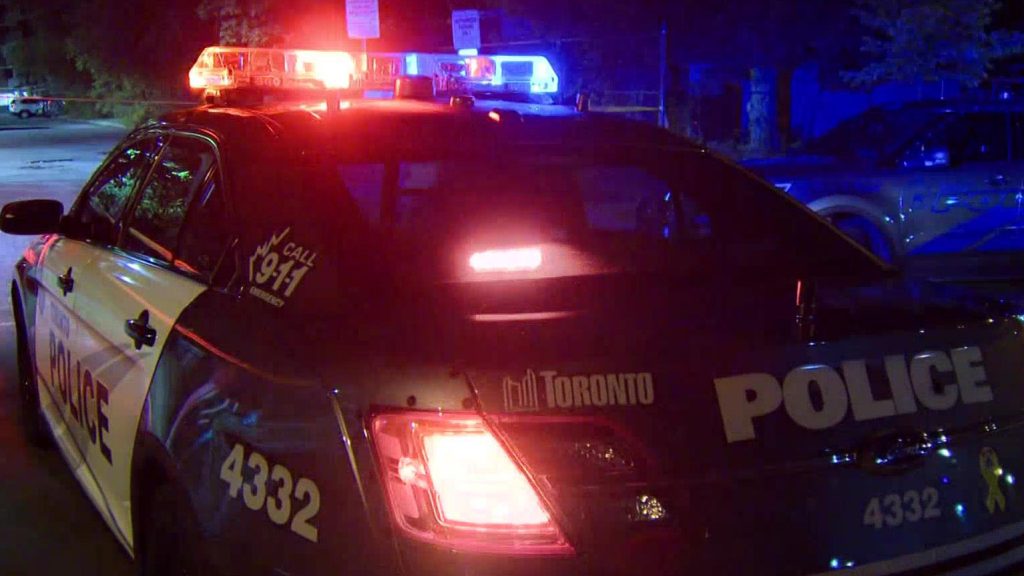
Following the discovery, Toronto police secured the dig site and surrounding soil, while the provincial coroners and the Ontario registrar for burials intervened to ensure the preservation of the remains. An anthropologist has indicated that the remains are of Indigenous origin. Heritage Toronto characterized the area surrounding the remains as one of the city's most intricate archaeological sites, with artifacts believed to date back up to 5,000 years and a potential 700-year-old communal burial chamber.
Merritt and her team have been meticulously sifting through 35 cubic metres of excavated soil to uncover fragments, utilizing three-millimetre mesh screens for thorough examination. Meanwhile, city officials are awaiting collaboration from the Ontario government to engage with multiple First Nations regarding a detailed investigation plan. While no specific timeline for completion was provided, officials aim to excavate one-metre-square increments by winter, potentially extending the project into early 2026, depending on further discoveries.
Bill Shea, manager of distribution and collection with Toronto Water, reported a spending of approximately $517,000 on site security as of mid-August. “We've had 24/7 security here since the beginning and we feel that’s very important for the City’s sake and obviously for the (First) Nations' sake," he remarked, expressing gratitude to local residents for their patience during this extensive process.
Ten out of eleven First Nations stakeholders have reportedly agreed on a way forward regarding the burial investigations, though the Haudenosaunee Development Institute (HDI) has yet to consent. Shea mentioned ongoing outreach to HDI to establish a monitoring agreement, welcoming them to participate in the investigation. In an earlier statement, HDI highlighted the site's designation as a "Burial Site Investigation zone" and voiced concerns regarding their lack of significant oversight in the treatment of their ancestors.
The Mississaugas of the Credit First Nation have previously asserted their treaty rights over the area. Tanya Hill-Montour, an archaeological community monitoring supervisor with the Six Nations of the Grand River, is involved in the oversight process. Hill-Montour emphasized the vital historical significance of the area to First Nations, advocating for mutual understanding and collaboration throughout the excavation. “We need to work together,” she stated, highlighting the importance of acknowledging the historical context of the site.
As developmental projects continue to unfold in Toronto and throughout Ontario, Hill-Montour urged both provincial and federal governments to implement comprehensive strategies that provide support for First Nations communities, property owners, and bereavement authorities, ensuring respectful treatment of Indigenous heritage moving forward.