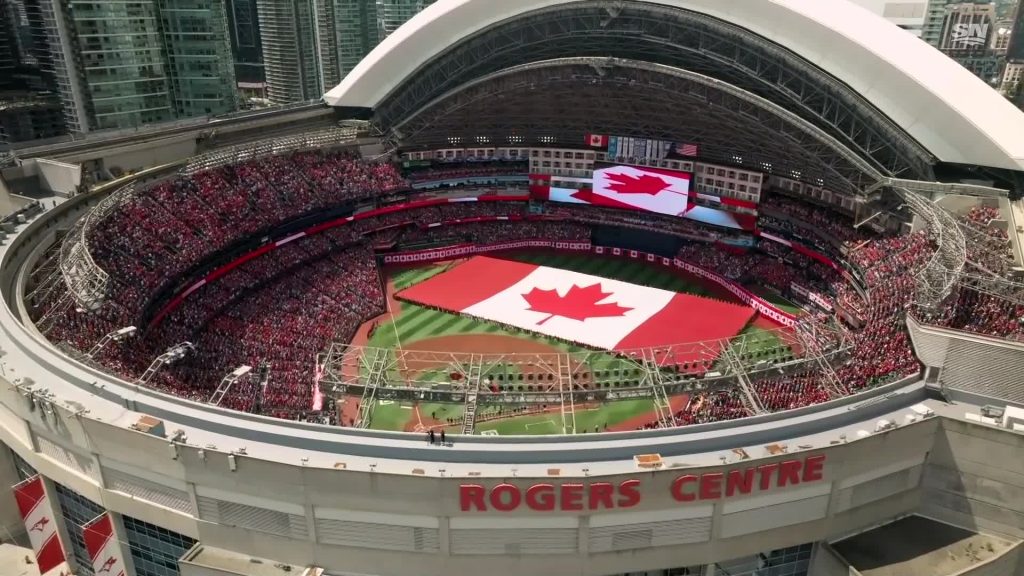
Toronto police have intensified enforcement actions against drone operators by laying additional charges against seven individuals for flying drones over the Rogers Centre during the Toronto Blue Jays' playoff games. This enforcement comes in light of recent unauthorized drone flights that were identified and intercepted during critical games in the American League Championship Series on October 12 and 13.
On these dates, police detected seven unauthorized drone flights over the stadium, prompting them to take action. A total of eight charges have been filed against these operators, including those flying micro-drones, which are often marketed as recreational toys for casual use. In addition to the charges, fines were issued for violations of a federally designated no-fly zone, emphasizing the legal repercussions of such actions.
The Rogers Centre is situated within the no-fly zone that surrounds the nearby Billy Bishop Toronto City Airport. Flying a drone in this area is strictly prohibited, and those who do not hold a valid drone pilot certificate can face hefty fines ranging from $1,000 to $3,000, as stipulated by Transport Canada regulations. These measures highlight the importance of adhering to established aviation rules and ensuring public safety.
Toronto police have issued a strong warning to the public, stating, “The Toronto Police Service is reminding the public to leave your drone at home! Rogers Centre is a no-drone zone during all Blue Jays postseason games.” This warning emphasizes that the rules apply universally, including to micro-drones that weigh less than 249 grams. Authorities are keen to stress that all drone operators bear responsibility for being aware of and complying with federal aviation laws.
Prior to these recent charges, Toronto police had already apprehended two individuals for violating the no-fly zone over Rogers Centre during earlier games on October 4 and 5. The continued enforcement actions illustrate the commitment of law enforcement to maintain safety and security during major sporting events in the city.
This ongoing situation reflects the challenges that authorities face in managing airspace safety, particularly in urban areas where high-profile events are held. The emphasis on public awareness and compliance with aviation regulations is crucial as the popularity of drone usage continues to rise.
In conclusion, the actions taken by Toronto police serve as a reminder of the importance of respecting designated no-fly zones and the potential consequences for those who disregard these regulations. As enforcement measures ramp up, the message is clear: drone operators need to fully understand the laws governing their activities to ensure both public safety and compliance.