In a significant development regarding the sex trafficking case against Ghislaine Maxwell, a federal judge in Manhattan has requested more information from the Justice Department concerning its appeal to unseal various records. Judge Paul A. Engelmayer issued the order on Tuesday, demanding clarification on the materials that the government intends to publicly disclose, which previously fell under secrecy orders during Maxwell's trial.
The Justice Department filed a request to release grand jury records, exhibits, and discovery materials related to Maxwell's case on Monday. In response, Judge Engelmayer has set a deadline for the government lawyers to submit a detailed letter to the case docket by noon on Wednesday. This letter is expected to provide sufficient detail that will inform the victims about which materials are slated for public release.
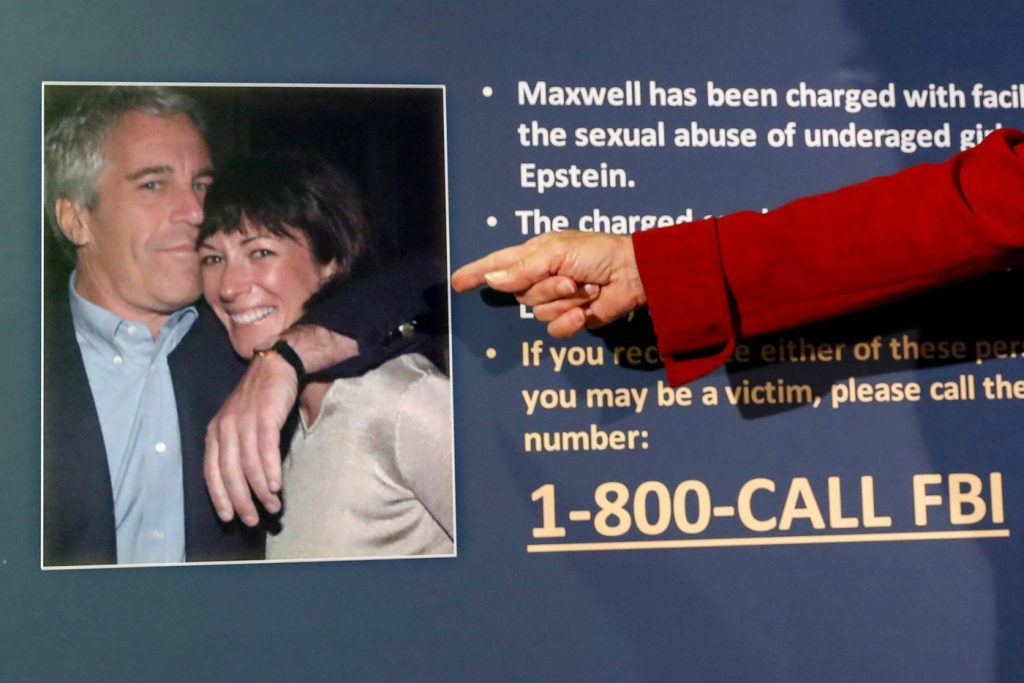
Ghislaine Maxwell was convicted in 2021 by a federal jury for her role in sex trafficking minors, specifically for recruiting some of Jeffrey Epstein’s underage victims. She is currently serving a 20-year prison sentence. Jeffrey Epstein, known for his connections with high-profile individuals ranging from celebrities to politicians, died by suicide in jail a month following his arrest in 2019 on charges related to sex trafficking.
Judge Engelmayer, who was not the presiding judge during Maxwell's trial, has since replaced Judge Alison J. Nathan after her elevation to the 2nd U.S. Circuit Court of Appeals. He has informed both the victims and Maxwell about their opportunity to respond to the Justice Department’s request for unsealing materials. They will have until December 3 to submit their responses, while the government is required to reply by December 10, after which the judge plans to issue a ruling promptly.
The Justice Department's request is part of an effort to adhere to the Epstein Files Transparency Act, which Congress passed and was signed into law by President Donald Trump last week. This act mandates the release of grand jury and discovery materials related to Epstein’s case, requiring such files to be available in a searchable format by December 19.
Discovery materials that are subject to the secrecy orders likely encompass victim interviews and various documents that have only been accessible to legal representatives or Maxwell prior to her trial. Judge Engelmayer emphasized the importance of a thorough disclosure that respects the rights of the victims involved.
Additional context has emerged as Judge Richard M. Berman, who previously presided over Epstein’s case, issued an order allowing victims and Epstein's estate to respond to the Justice Department's request by December 3. He assured that the government can address any submissions by December 8, aiming to resolve the motion swiftly.
The ongoing legal proceedings surrounding both Maxwell and Epstein continue to be a focal point of public interest, particularly regarding the transparency of information related to such serious allegations. Lawyers representing the victims have yet to respond to media inquiries about the current status of the case, while representatives from the federal prosecutor's office have opted not to comment at this time.