BEIRUT (AP) — On Sunday, Pope Leo XIV visited Lebanon, where he urged the country’s political leaders to set aside their differences and act as genuine peacemakers. This visit aimed to provide hope to the Lebanese populace, who have long suffered from economic difficulties and political strife, while reinforcing the significance of the Christian community in the Middle East.
Pope Leo, who arrived in Beirut from Istanbul, is on the second leg of his inaugural papal journey. His visit comes at a critical juncture for Lebanon, where it grapples with economic instability, profound political divides, and rising concerns over potential renewed conflict with Israel.
This trip fulfills a long-held desire of his predecessor, Pope Francis, who had intended to visit Lebanon for years but was unable to do so due to ongoing crises and deteriorating health. Lebanon's political framework, which revolves around sectarian power-sharing, is notorious for its deadlocks, resulting in significant power vacuums and continuous stalemates on contentious issues, such as the investigation into the Beirut port explosion in August 2020.
The Lebanese populace remains sharply divided over Hezbollah, a militant group and political force in the country, particularly following a devastating war with Israel last year that left deep scars on the nation. While Pope Leo did not directly address the war or the contentious debates over disarmament in his speech at the presidential palace, he acknowledged the immense suffering endured by the Lebanese people.
In a poignant address, Pope Leo remarked, “You have suffered greatly from the consequences of an economy that kills, from global instability that has devastating repercussions also in the Levant, and from the radicalization of identities and conflicts. But you have always wanted, and known how, to start again.” He challenged Lebanon’s leaders to seek truth and engage in a reconciliation process, encouraging them to put personal interests aside and prioritize the common good.
Pope Leo’s visit is set to culminate on Tuesday, his final day, with a moment of silent prayer at the site of the devastating port blast that claimed over 200 lives and inflicted billions in damages. For many, his mere presence serves as a symbol of hope. Bishop George, the archbishop of the Melkite Greek Catholic Archeparchy of Beirut, expressed, “It shows that Lebanon is not forgotten.”
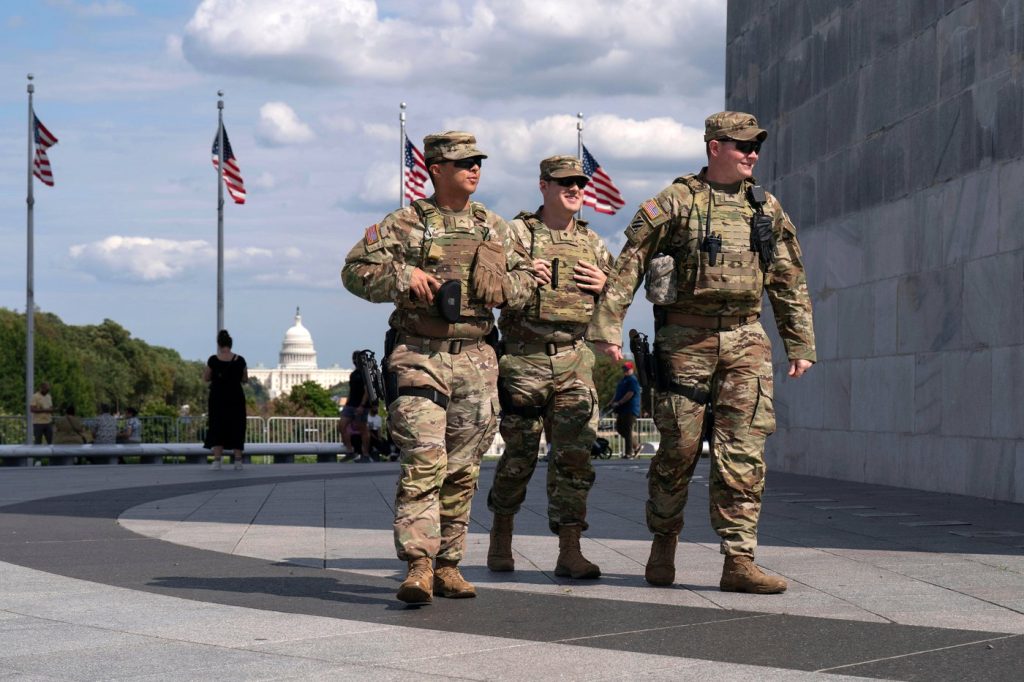
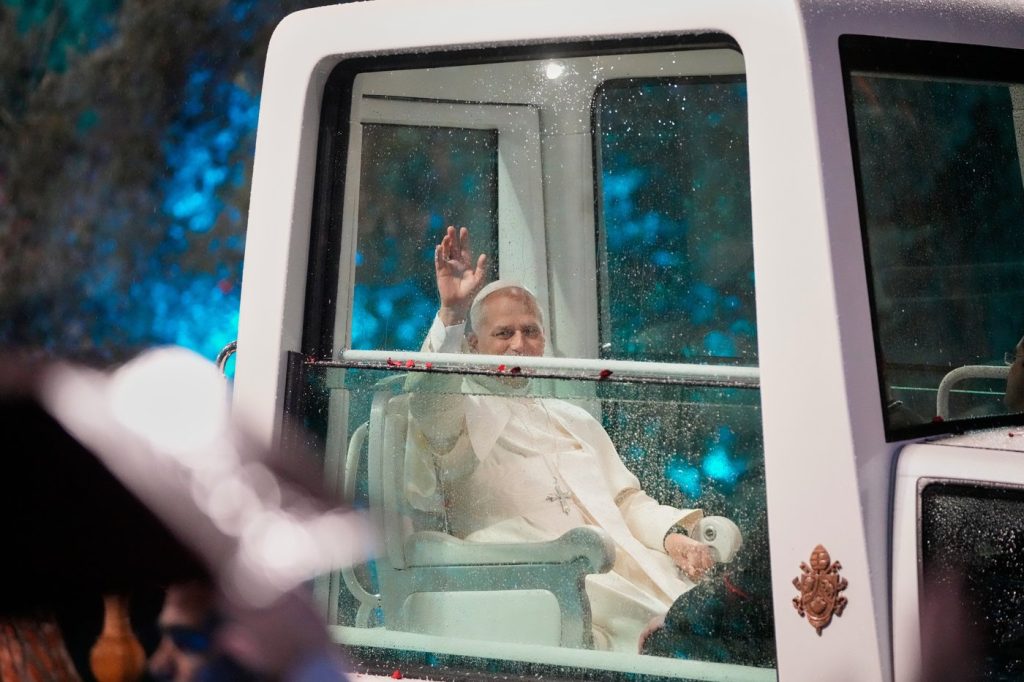
Upon his arrival at the Beirut airport, Pope Leo was met with heavy security, greeted first by President Joseph Aoun, followed by Parliament Speaker Nabih Berri and Prime Minister Nawaf Salam. Traveling through the city in a closed popemobile, reminiscent of earlier papal visits, he was flanked by Lebanese troops, while a helicopter monitored from above. This increased security comes on the heels of an Israeli strike in Beirut that resulted in five fatalities, including a senior Hezbollah official.
During his time in Lebanon, Pope Leo aims to inspire Lebanese citizens who feel let down by their leaders, and to encourage Christians, particularly those in the diaspora, to either remain in the country or return if they have already left. With approximately one-third of the population being Christian in a predominantly Muslim nation, Lebanon remains a focal point for the Vatican as a stronghold for Christians across the Middle East. In recognition of this, Pope Leo emphasized the vital role of Lebanese Christians in fostering peace in their homeland.
Despite a ceasefire brokered last year meant to halt a two-month war between Israel and Hezbollah, tensions persist as Israel continues to conduct airstrikes aimed at disrupting Hezbollah’s activities. Such violence has resulted in the loss of over 4,000 lives in Lebanon and widespread destruction.
The pope’s visit has provided a moment of encouragement for many, as seen in the reactions of Beirut residents. Farah Saadeh, a local, expressed hopes for peace, saying, “We hope nothing is going to happen after his departure.” Hezbollah has also publicly expressed hopes that the pope would voice opposition to what they characterize as oppression from Israeli forces. In a demonstration of unity, supporters lined the route of Pope Leo's convoy, showcasing the importance of coexistence in Lebanon.
Additionally, a delegation of around 300 Syrian Christians traveled to Lebanon to join in the pope's activities. Expressing the need for reassurance, 24-year-old Dima Awwad, a member of the Syrian delegation, noted the significance of the pope's presence in reminding them of their roots and the importance of Eastern Christianity in the region.