UK Inquiry Holds Putin "Morally Responsible" for 2018 Poisoning Death
A UK inquiry has concluded that Russian President Vladimir Putin bears "moral responsibility" for the death of Dawn Sturgess, a British woman who succumbed to nerve agent poisoning in 2018. This incident was linked to a botched assassination attempt on Sergei Skripal, a former Russian double agent, who was targeted for his past collaboration with British intelligence agencies. The poisoning incident became a high-profile case that raised significant diplomatic tensions between the United Kingdom and Russia.
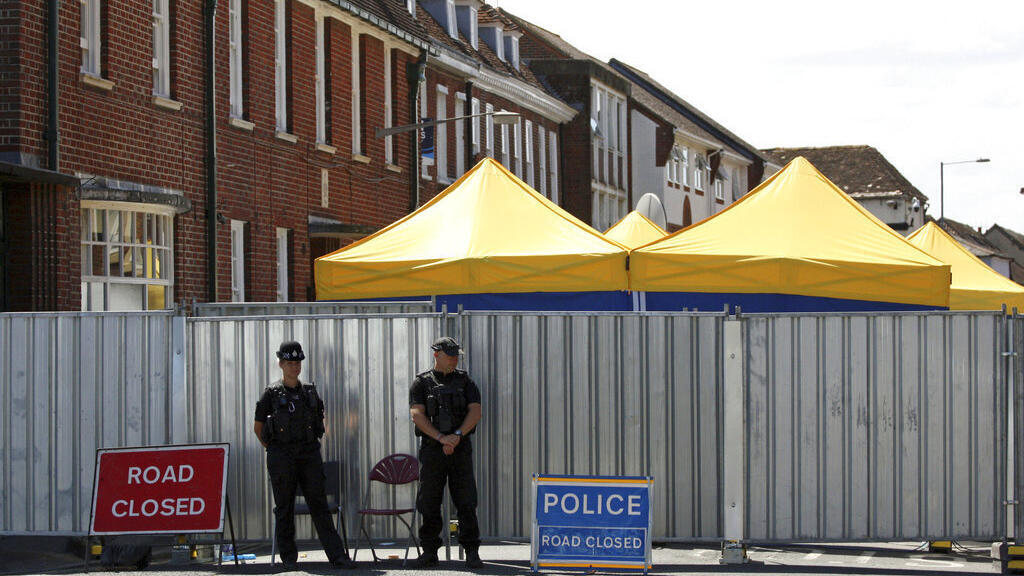
The investigation revealed that Sturgess, aged 44, unknowingly handled a perfume bottle containing the highly toxic nerve agent Novichok, which was originally intended for Skripal. She fell ill in July 2018, just a few months after the attempted assassination of Skripal and his daughter, Yulia, in Salisbury, England. The inquiry underscores the deadly consequences that can arise from such state-sponsored acts of aggression and espionage, which are often shrouded in secrecy.
The inquiry's report outlines the serious implications of the attack on Sturgess, framing it not just as a direct result of Russian state actions, but also as an event that has had far-reaching effects on public safety and international relations. Sturgess's death represents the first confirmed fatality connected to the use of Novichok, a nerve agent developed by the Soviet Union during the Cold War. The UK government has classified the use of chemical weapons in this manner as a violation of international law.
Moreover, the incident further exacerbated already strained relations between the UK and Russia. Following the poisoning of Skripal, the UK government took decisive measures, including the expulsion of numerous Russian diplomats, leading to reciprocal actions by Moscow. The UK has consistently accused Russia of being behind the attack, which Russia vehemently denies.
In the wake of Sturgess's death, the UK inquiry has drawn attention to the need for accountability in such international incidents and calls for a reassessment of diplomatic strategies dealing with Russia. The investigation spurred discussions on the necessity for collaborative international efforts to combat the increasing use of chemical weapons and to address the implications of state-sponsored assassinations.
The inquiry's conclusion also reflects a broader sentiment about the role of leadership in acts of violence committed by a state. By attributing moral responsibility to President Putin, the report emphasizes that leaders must be held accountable for the actions of their government and the consequences of their policies, particularly in cases that threaten civilian lives. This stance highlights the importance of political responsibility and the ethical dimensions of international relations, especially in contexts involving national security and public safety.
Overall, the inquiry serves as a sobering reminder of the deadly intersection between international espionage and civilian safety. The tragic death of Dawn Sturgess has become a pivotal point in understanding the implications of state-sponsored violence, as well as the risks faced by innocent citizens caught in the crossfire of political conflicts. The report aims to foster accountability and encourage diplomatic discussions around chemical weapon usage and state aggression, emphasizing the need for a coordinated global response to prevent future tragedies.