Italy to Open Mediterranean’s First Sanctuary for Captive Dolphins
Italy is poised to take a significant step towards marine conservation with the upcoming establishment of the Mediterranean's first sanctuary dedicated to dolphins that have previously lived in captivity. This initiative comes amid a broader trend in Europe where many marine parks are being closed, confronting ethical concerns regarding the treatment and wellbeing of marine animals.
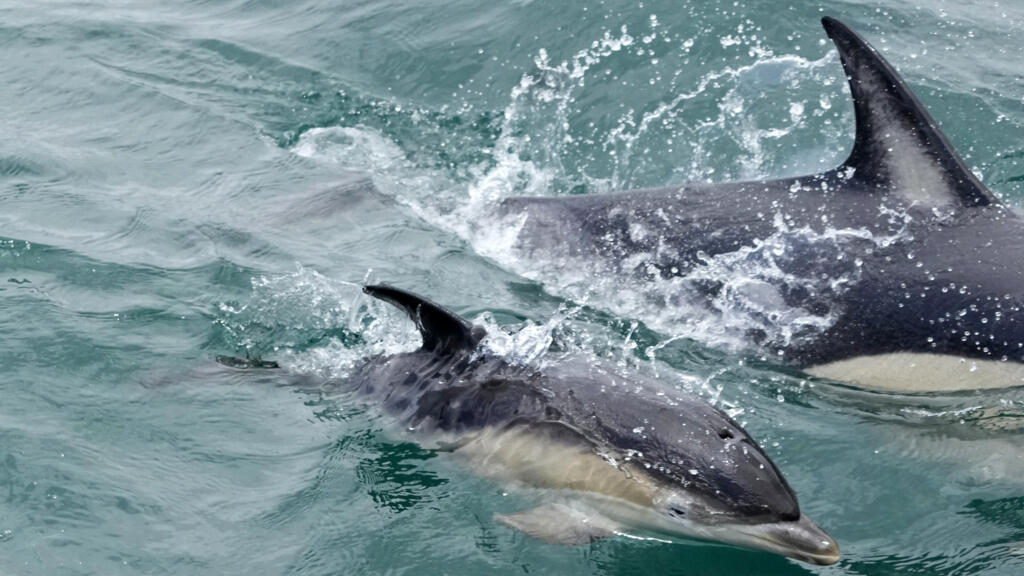
Set to be located off the coast of Taranto, the San Paolo Dolphin Refuge is anticipated to welcome its first inhabitants by mid-2026. This new facility will provide a unique environment tailored to prioritize the welfare of these marine mammals. The sanctuary aims to offer a safe and natural habitat while remaining under supervised conditions, which is crucial for the rehabilitation of dolphins previously held in captivity.
Focus on Animal Welfare
One of the defining features of the San Paolo Dolphin Refuge is its commitment to ensuring a high quality of life for the dolphins. Unlike traditional aquariums or marine parks that often prioritize entertainment and visitor numbers, this sanctuary will concentrate on the health and wellbeing of its residents. The facility will include medical care provisions, constant monitoring, and protected enclosures designed to mimic a more natural environment for the dolphins.
The marine park closures across Europe have brought to light the urgent need for alternative solutions for dolphins and other marine life captive in facilities. Many of these animals suffer from psychological and physical issues due to the limitations of their previous living conditions. The San Paolo Dolphin Refuge aims to address these issues by providing an environment where dolphins can thrive, away from commercial exploitation.
Environmental and Ethical Implications
As public sentiment increasingly favors the ethical treatment of animals, the establishment of the San Paolo Dolphin Refuge is reflective of a growing movement toward more humane practices in marine conservation. The initiative resonates not only with dolphin advocates but also with broader environmental concerns regarding ocean health and marine biodiversity.
By focusing on rehabilitation and sanctuary, the refuge intends to set a precedent for how captive dolphins are treated in the future, potentially inspiring similar projects across the Mediterranean and beyond. The sanctuary’s approach emphasizes education and awareness, aiming to inform the public about the complexities of dolphin life, the impact of captivity, and the need for preserving natural habitats.
Future Developments
Looking ahead to 2026, the San Paolo Dolphin Refuge is expected to become a significant landmark for marine welfare efforts. Conservationists, marine biologists, and animal rights advocates are already expressing enthusiastic support for the project, anticipating its potential impact on public perception of marine life. The refuge not only takes a pivot towards kinder treatment for dolphins but also serves as a crucial reminder of the ongoing challenges faced by marine ecosystems worldwide.
The sanctuary's implementation represents a hopeful narrative in marine conservation, positioning Italy as a leader in pioneering efforts to offer humane solutions for marine life previously affected by captivity. As the refuge prepares for its opening, the global community watches closely, eager to support and learn from this ambitious endeavor that seeks to restore dignity and safety to dolphins.