JERUSALEM (AP) – Aid deliveries into Gaza have fallen significantly short of what was stipulated in the U.S.-brokered ceasefire, as an Associated Press analysis indicates that the humanitarian situation is severely affecting the region's 2 million residents.
According to the ceasefire agreement signed between Israel and Hamas in October, Israel had committed to allowing 600 trucks of aid to enter Gaza each day. However, from October 12 to December 7, only an average of 459 trucks per day were recorded entering the strip. COGAT, the Israeli military entity overseeing the aid coordination, reported that approximately 18,000 trucks of food aid had entered Gaza since the ceasefire took effect, equating to about 70% of all aid that has entered the area during that period. This implies that a total of over 25,700 trucks have entered, which is still well below the 33,600 trucks that were due by December 7.
In response to the AP analysis, COGAT claimed that daily truck entries were above the 600 mark but did not clarify the discrepancies in the figures or provide raw data. Historically, COGAT had issued daily reports on truck entries during the conflict but ceased doing so after the ceasefire commenced. Rights groups argue that the lack of transparency is due to COGAT's control over the crossings and its exclusive access to data related to aid and commercial goods entering Gaza.
The United Nations points to a strikingly lower count, stating that only 6,545 trucks were offloaded at Gaza crossings between the ceasefire on October 10 and December 7, averaging about 113 trucks per day. This number excludes trucks sent by organizations not affiliated with the U.N. Meanwhile, a document from Hamas cited a total of 7,333 aid trucks having entered since the truce began.
The dire humanitarian situation has led UNICEF and other aid groups to emphasize the critical need for increased aid, flagging that Israeli restrictions have hindered recovery efforts in Gaza. With food items remaining scarce, humanitarian organizations note that many residents, who were forced from their homes due to the military conflict, are struggling to meet basic needs. The ongoing famine has resulted in reports of malnourished infants being born under tragic circumstances, with some not surviving their hospital stays.
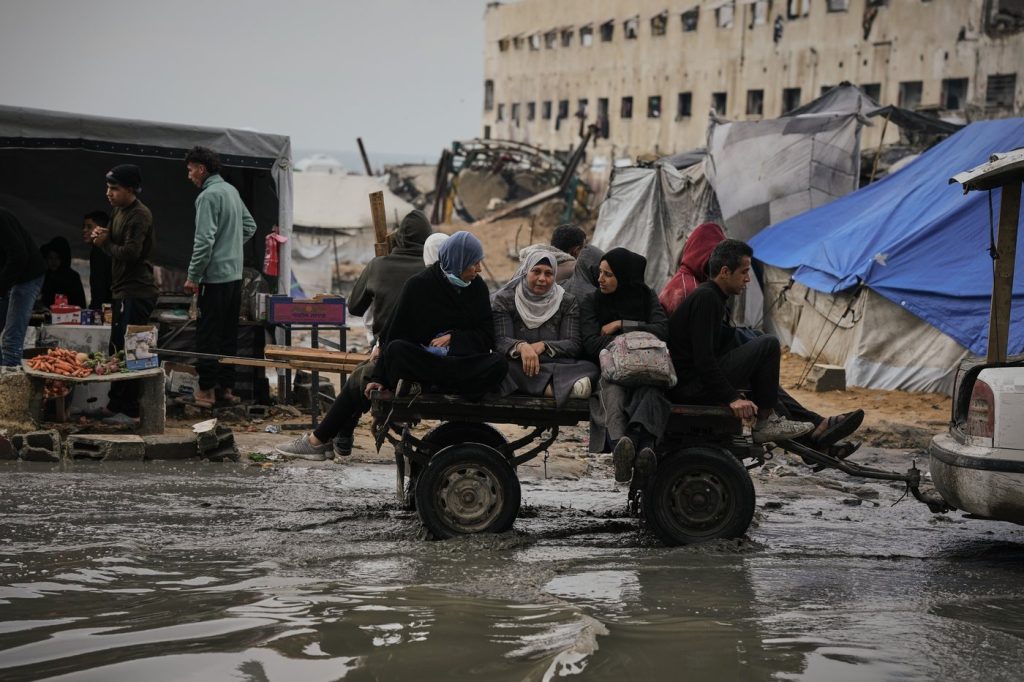
As winter approaches, displaced families living in tents have faced difficulties braving the cold and rains, compounding an already bleak situation. A UNICEF report stated that “needs far outpace the humanitarian community's ability to respond,” pointing out several obstacles such as security issues, customs clearance complications, cargo delays, and restrictions on transportation routes within Gaza.
Israel has temporarily suspended all aid entry on occasion, claiming violations of the truce by Hamas. A point of contention has been Hamas's alleged inability to return the bodies of hostages in a timely manner, while Hamas contends that recovering bodies has been difficult due to the widespread destruction in the region caused by Israeli military actions.
Simple living conditions have become the norm, as the price of essential items skyrockets. For instance, a 12-kilogram cylinder of cooking gas soared to 1,314 shekels ($406), a staggering 18 times the pre-war price, compelling many residents to rely on firewood for cooking and warmth. Marwan Abed, a resident of Jabaliya, described life under the rubble, with the family gathering firewood to survive the winter chill.
In the ongoing negotiations stemming from the ceasefire, Israeli Prime Minister Benjamin Netanyahu has stated that the return of the remains of hostage Ran Gvili is necessary for entering the next phase of the agreement. Hamas has engaged in searching for the final body, while various international pressures are being applied to ensure the opening of border crossings, the cessation of military strikes, and an increase in humanitarian aid.
As regional leaders recognize the urgency of transitioning to a more complex second phase of the ceasefire, preparations are underway, including a plan by President Donald Trump to appoint members to a governing panel for Gaza. Trump indicated this would occur early next year, although the timeline for these appointments has not been clear.
Tragically, the conflict continues to claim lives, as evidenced by the recent death of a 17-year-old Palestinian in the Jabaliya refugee camp after being struck by an Israeli tank. While Israel claimed the military action targeted a militant crossing a boundary line in northern Gaza, further details about the incident remain unreported.