KYIV, Ukraine (AP) – Ukrainian President Volodymyr Zelenskyy disclosed on Thursday that ongoing U.S.-led peace talks regarding the war with Russia are heavily focused on territorial issues. Key points of contention include the future of Ukraine's eastern Donetsk region and the Russian-occupied Zaporizhzhia nuclear power plant, one of the largest nuclear facilities globally.
Zelenskyy provided insights on the discussions right before urgent talks with leaders and officials from approximately 30 countries aimed at securing favorable terms for a potential cessation of nearly four years of conflict. In Washington, White House press secretary Karoline Leavitt confirmed that President Donald Trump's special envoy, Steve Witkoff, remains engaged in dialogues with both parties. Leavitt indicated that should a genuine peace agreement appear feasible, a U.S. representative could participate in discussions as early as this weekend.
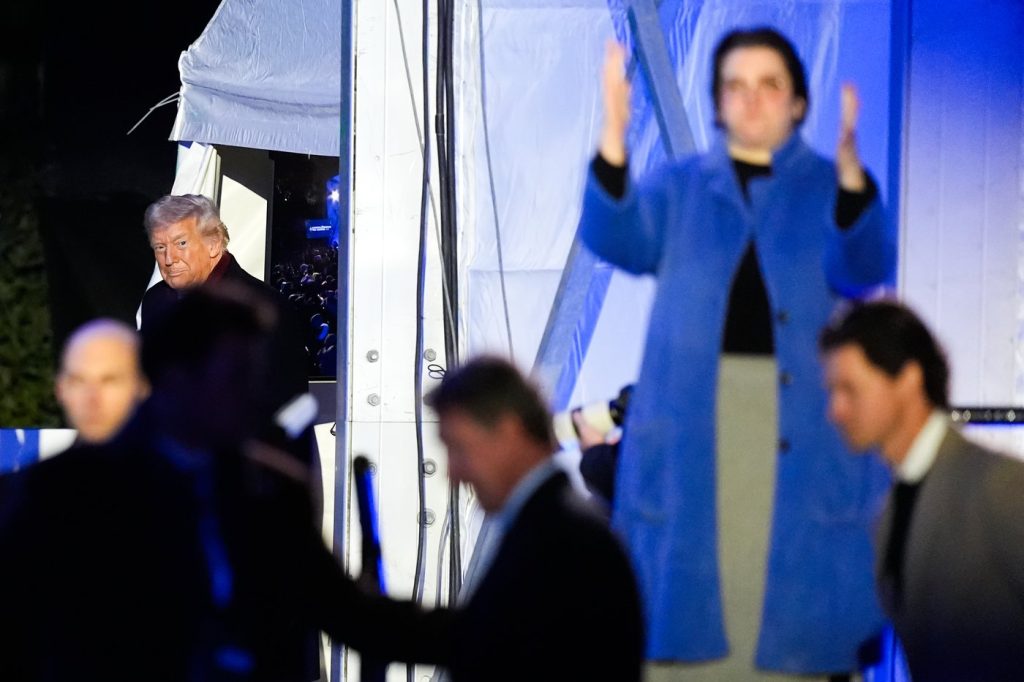
Despite Trump's previous claims of being able to resolve the conflict in just one day, he has expressed growing frustration with the stagnation in progress. Leavitt echoed his sentiments, describing the president's impatience with both sides, emphasizing that Trump desires actionable outcomes rather than mere talks. In pursuit of this, Ukraine has submitted a detailed 20-point plan to the U.S., each point potentially linked to specific settlement terms.
“We are grateful that the U.S. is working with us and trying to take a balanced position,” Zelenskyy stated in Kyiv. Still, he admitted the uncertainties surrounding the final documents of any agreement. Russia’s efforts have increasingly focused on securing complete control over the Donetsk and neighboring Luhansk regions, both part of Ukraine’s vital Donbas industrial area. Zelenskyy firmly rejected any notion of surrendering the Donbas, suggesting that a "fair outcome" would involve both sides remaining at their current frontlines.
American negotiators have proposed the idea of a “free economic zone” in Donbas, a notion that Russia refers to as a “demilitarized zone.” Zelenskyy clarified that if Ukraine were to withdraw its forces from Donetsk, similar withdrawals from Russian forces should be mandated. Numerous questions remain unresolved, particularly regarding oversight of the Donbas region.
The status of the Zaporizhzhia nuclear plant remains contentious, with Russia seeking to maintain control while Ukraine adamantly opposes this arrangement. The Americans have suggested a collaborative management format for the plant, and negotiators are exploring how this might function.
Significant European figures, including German Chancellor Friedrich Merz, British Prime Minister Keir Starmer, and French President Emmanuel Macron participated in a video conference titled the "Coalition of the Willing" to accompany Zelenskyy in these crucial discussions. The urgency for these talks reflects Kyiv's concerns about being cornered by Trump, who has criticized Zelenskyy and labeled European leadership as weak.
Amid Trump’s calls for a quick resolution, European governments are striving to facilitate peace negotiations, as their security is also at stake. Conversations are in a delicate phase, with plans for potential meetings in Berlin next week. In light of Trump's timeline, previous deadlines set by Washington for peace negotiations have passed without a breakthrough.
Russia is aiming to present itself favorably in these discussions with Trump to mitigate further U.S. sanctions. Russian Foreign Minister Sergey Lavrov mentioned that Russia has shared "additional proposals" regarding collective security guarantees necessary to prevent future aggression. NATO Secretary-General Mark Rutte emphasized that this year alone, Russia has launched over 46,000 drones and missiles at Ukraine, warning that Europe could be next on the targeting list.
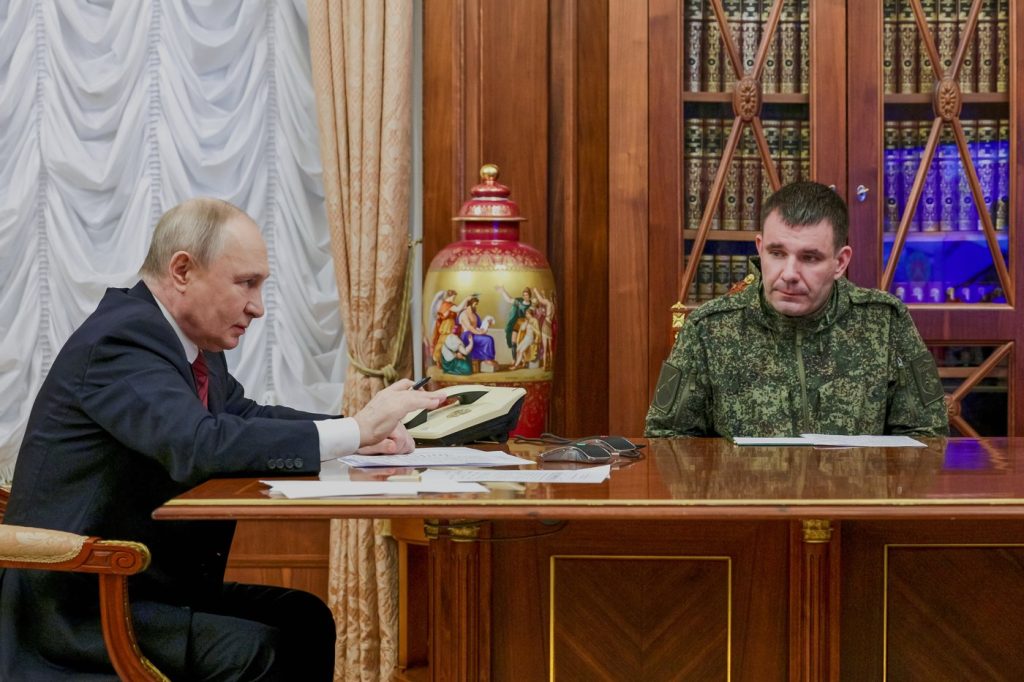
Amid these geopolitical intricacies, Russian President Vladimir Putin asserted that military forces are holding a "strategic initiative" on the battlefield. However, Ukrainian officials disputed claims of Russian advances in areas like Siversk. While Putin seeks to project strength, analysts observe that Russian control extends over approximately 20% of Ukraine, including the annexed Crimea and eastern territories seized during the conflict that escalated in 2022.
Meanwhile, Ukrainian forces have purportedly executed successful drone strikes, targeting a Russian oil rig in the Caspian Sea and carrying out one of the largest drone assaults of the war, causing significant disruptions to air travel in Russia.