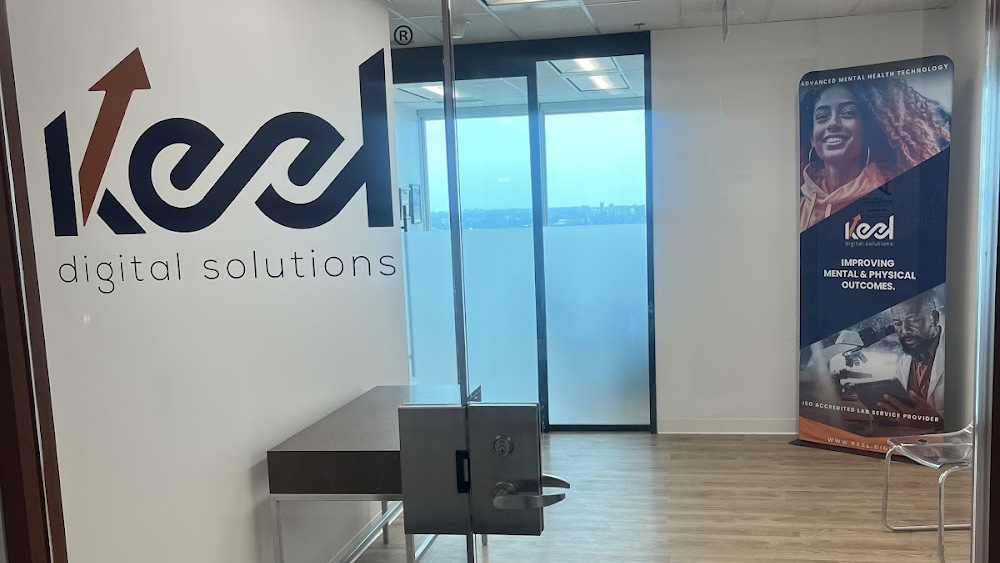
A mental health company, Get A-Head Inc., along with its parent company, Keel Digital Solutions, is embroiled in a legal battle against the Ontario government, which has alleged fraudulent misrepresentation. The government contends that Get A-Head inflated the number of counseling sessions it reported delivering under a student mental health program, leading to substantial overpayments totaling millions. In response to the government's lawsuit, filed earlier this year, the companies have submitted a statement of defense asserting their denial of these allegations and simultaneously initiating a counterclaim against the province.
In their counterclaim, Get A-Head and Keel are seeking damages amounting to $98 million. This figure includes funds that were purportedly withheld by the government and claims of diminished corporate value attributed to the state's actions. The Ontario government's accusations have prompted an investigation by the Ontario Provincial Police, which is examining the findings of an audit related to the funding provided to Keel by the Ministry of Colleges and Universities.
The company's defense, submitted in court this week, describes the audit process as "secretive and deeply flawed." It also critiques the government's decision to refer the audit's findings to the police, suggesting that the action was intended to damage the company's reputation. Keel Digital Solutions has faced intense scrutiny, particularly during recent sessions of the legislature, where it was highlighted as a recipient of the Ontario Ministry of Labour’s $2.5-billion Skills Development Fund. The auditor general has indicated that this program lacked fairness and transparency, awarding funds to applicants who were rated poorly by bureaucratic measures.
Labour Minister David Piccini has faced significant criticism from opposition parties, with calls for his resignation amid reports suggesting that a lobbyist representing Keel is a close friend of his. This relationship has further fueled skepticism regarding the fairness of the funding awarded to the company, particularly since Keel received $7.5 million for a mental health program aimed at first responders, even after previous audits raised concerns regarding its student funding from another ministry.
In their defense, the companies have claimed that it would be impossible for them to artificially inflate the reported sessions provided, arguing that the government was fully aware of their reporting methods. It is crucial to note that none of the accusations or defenses presented by either party have yet been tested in a court of law.