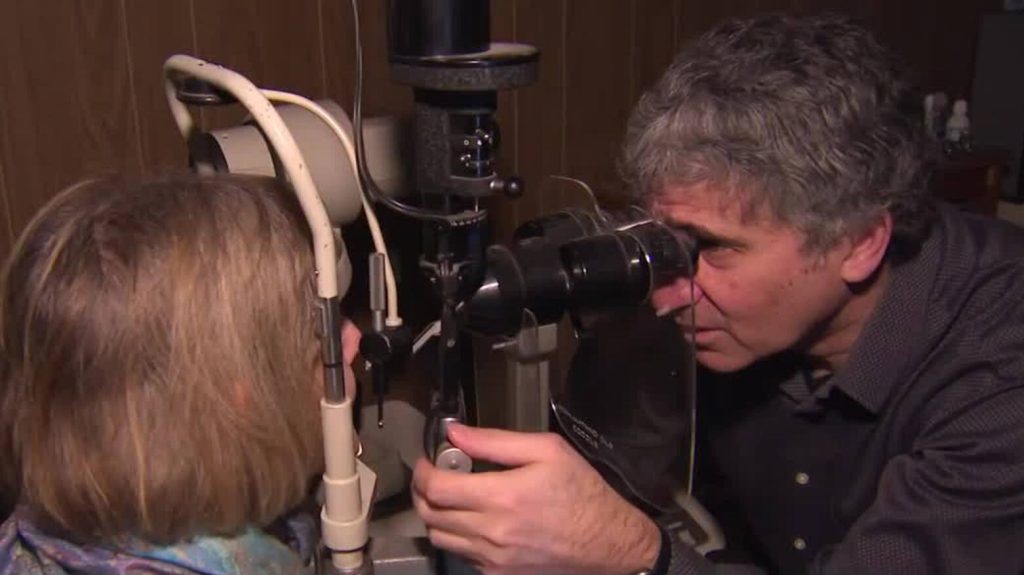
Eye care professionals in Toronto are raising alarms about a significant surge in dry eye patients, with digital screens being a likely cause. Dr. Ritesh Patel, an optometrist in Liberty Village, has observed a dramatic increase in both the number of dry eye patients and the age at which they are presenting with the condition over the past five to seven years.
Dr. Patel, who has been in practice for approximately 18 years, stated that the youngest dry eye patient he has encountered is just eight years old. He highlights a shift in the demographic affected by dry eye syndrome, estimating that the prevalence has grown from affecting about 30 to 40 percent of the general population—primarily women—to now affecting 50 to 60 percent of individuals.
The primary factor contributing to this increase appears to be technology. Dr. Patel explained that blinking is essential for eye health, as it allows the upper and lower eyelids to interact and release oil, keeping the eyes moist, akin to how a windshield wiper works. However, prolonged focus on digital devices such as smartphones and computers results in fewer blinks, diminishing this natural eye lubrication process. This trend is especially concerning as children are starting to engage with screens at increasingly younger ages.
Dr. Lunsky, another optometrist practicing near Bathurst and College streets, concurs with Dr. Patel's observations and notes that the condition can worsen during winter months. He explains that when temperatures drop, people tend to increase indoor heating, which can exacerbate dryness, particularly in older buildings.
Other factors contributing to dry eyes include food sensitivities and what is referred to as "eye hygiene." The condition can lead to an extremely uncomfortable experience; patients often describe a gritty sensation akin to having sand in their eyes, which can also affect emotional and mental well-being.
Fortunately, there are medical interventions available, including heat and laser treatments that have shown to be effective in treating dry eyes. Nevertheless, preventative measures are always the best approach. Dr. Patel recommends simple at-home routines to maintain eye health. For instance, he suggests gently massaging the eyelids with the heel of the hand while showering or washing the face can help stimulate the glands responsible for eye moisture. Furthermore, he advocates for the "20-20-20 rule," advising individuals to take a break every 20 minutes from screens, focusing on an object 20 feet away for 20 seconds to help reset their blinking pattern.
Dr. Patel also shares that some first-line home remedies for managing dry eyes include using a warm compress, applying preservative-free eye drops, and using a humidifier to maintain moisture in the air. However, if symptoms persist, he strongly recommends consulting an eye care professional for further evaluation and treatment options.