KYIV, Ukraine (AP) On the fourth anniversary of Russia's invasion of Ukraine, President Volodymyr Zelenskyy emphasized that Russia has not managed to "break Ukrainians" nor achieve its war objectives. The conflict, which has brought significant challenges to both Kyiv and its allies, has resulted in the deaths of tens of thousands and considerable suffering for millions of Ukrainians.
In a symbolic gesture of solidarity, over a dozen senior European officials visited Kyiv to acknowledge the tumultuous anniversary. The war has not only destabilized Ukraine but has also instilled fear across Europe regarding Russia's broader aspirations. Zelenskyy highlighted that despite facing a significantly larger and better-equipped Russian military, Ukraine has managed to defend its sovereignty, retaining its statehood while Russia has only captured approximately 0.79% of its territory over the past year, leaving it in control of nearly 20% of Ukraine overall.
Reflecting on the war’s toll, Zelenskyy stated, "Looking back at the beginning of the invasion and reflecting on today, we have every right to say: We have defended our independence." He reiterated that Russian President Vladimir Putin has not achieved his war goals. Although Ukraine continues to resist Russian advances, civilian life remains heavily impacted by the conflict, with many experiencing devastating losses and a lack of essential services due to ongoing air attacks.
Putin refrained from commenting on the anniversary during a meeting with officials from Russia's Federal Security Service in Moscow. However, he acknowledged an increasing threat from Ukrainian attacks penetrating deep into Russian territory, as Ukraine has begun utilizing long-range drones targeting critical infrastructure over a thousand kilometers inside Russia.
As the war drags on into its fifth year, peace negotiations remain stagnant, plagued by disputes over the Donbas region, a key industrial area currently under Russian control. The United Nations General Assembly has called for an immediate ceasefire and a comprehensive peace arrangement, with the majority agreeing to maintain Ukraine's sovereignty and territorial integrity. The U.S. abstained from this vote, citing that stressing territorial unity could hinder peace discussions.
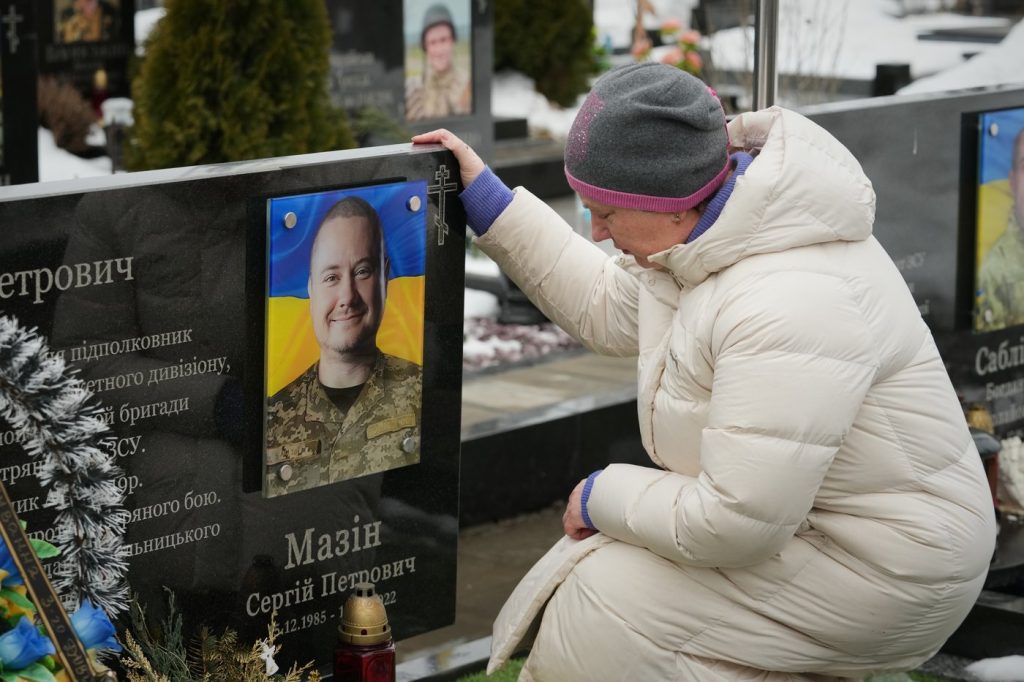
In a poignant moment at a memorial in Kyiv, Zelenskyy expressed a desire for U.S. President Donald Trump to visit Ukraine to better understand the reality of the war. His reflections on the four years of war revealed a personal toll, stating, "I don’t have time for friends or friendships." Meanwhile, Trump's stance on the conflict has shifted over time, alternating between criticism of Zelenskyy's position and overtures to Putin.
Kremlin spokesperson Dmitry Peskov affirmed Russia's intentions to continue its military operations towards fulfilling its objectives, which include demanding Ukraine abandon its NATO ambitions, decrease its military size, and return territory currently under occupation.
Zelenskyy anticipates the possibility of U.S.-brokered negotiations with Russia within the coming weeks. The ongoing conflict has led to devastating military losses on both sides, with projections suggesting that by spring, the total number of soldiers killed, injured, or missing could reach up to 2 million. The human cost of the conflict marks it as the deadliest in Europe since World War II.
The European Union continues to grapple with how best to support Ukraine while dealing with internal dissent among member states regarding the provision of aid. Recent remarks from European leaders underscore the urgency of the situation, as German Chancellor Friedrich Merz described the past four years as a nightmare not just for Ukrainians, but for all of Europe. “We will only end it by being strong together, because the fate of Ukraine is our fate,” he asserted.
French President Emmanuel Macron has characterized the war as a significant blunder for Russia on multiple fronts, highlighting how it has reinforced NATO and mobilized European unity contrary to Moscow's original intentions. As the conflict persists, Ukraine continues to seek military support from allied nations, while the Kremlin receives backing from countries like North Korea, Iran, and China.
During the commemorations in Kyiv, prominent European officials such as European Commission President Ursula von der Leyen reassured Zelenskyy of financial support despite ongoing challenges, including Hungary's attempts to obstruct aid. The latest data estimates that rebuilding Ukraine will require around $588 billion over the next decade, a daunting figure when compared to the nation’s pre-war GDP.
The war in Ukraine has led to significant shifts in military strategies, particularly with the integration of drone technology altering traditional combat dynamics. Both sides increasingly depend on drone warfare, raising the stakes and complicating the military landscape. As allies continue to rally support for Ukraine, the outcome of this conflict holds broader implications for European security and international relations.