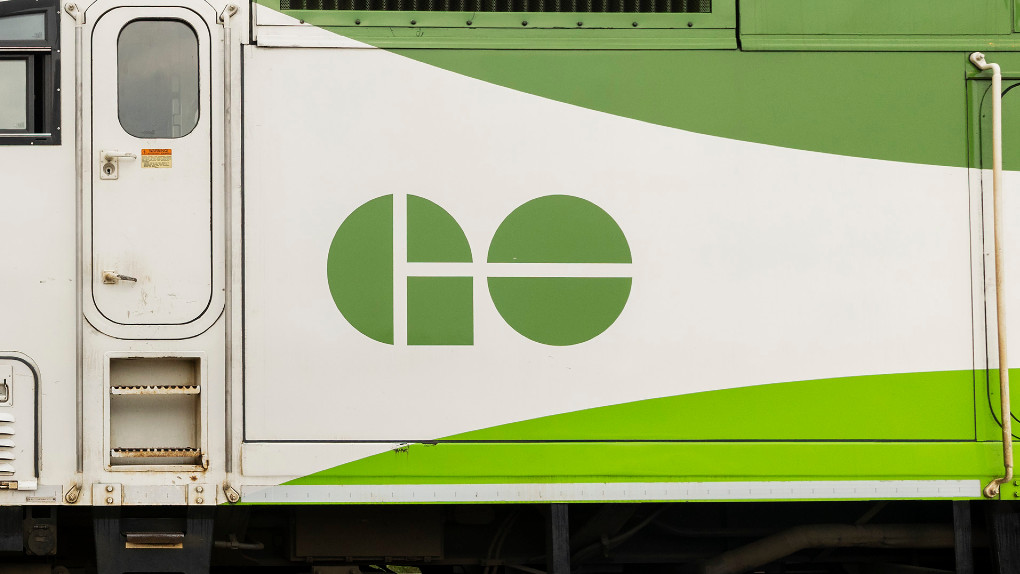
On Tuesday, a significant signal issue led to considerable delays across nearly all GO Transit lines during the peak morning and evening rush hours. This operational disruption primarily affected the daily commuters who rely on the service to navigate through the Greater Toronto Area.
The signal problem occurred just west of the Danforth GO station, a critical junction in the network. As a result, it impacted multiple lines, including the Lakeshore West, Lakeshore East, Barrie, Kitchener, and Stouffville routes. Commuters taking these lines experienced a ripple effect of delays, causing frustration among passengers who were attempting to reach their destinations on time.
Reports indicated that delays reached up to 50 minutes for numerous trains. This level of disruption not only affected travel times but also raised concerns regarding trip modifications and the possibility of service cancellations, putting additional strain on an already busy transit system. Passengers were urged to check real-time updates and be prepared for unexpected changes to their travel plans.
Fortunately, the issue has since been resolved, allowing regular service to resume. However, the incident serves as a reminder of the vulnerabilities in transit infrastructure and the potential for signal issues to significantly disrupt commuter travel. GO Transit has made efforts to improve communication with passengers during such events, but the incident highlighted the challenges faced by the transit system during peak periods.
As GO Transit continues to handle the daily influx of passengers, ongoing evaluations and upgrades to infrastructure will be essential in preventing similar occurrences in the future. Ensuring reliable service is crucial for maintaining trust and efficiency in public transportation, especially during critical times like rush hour.