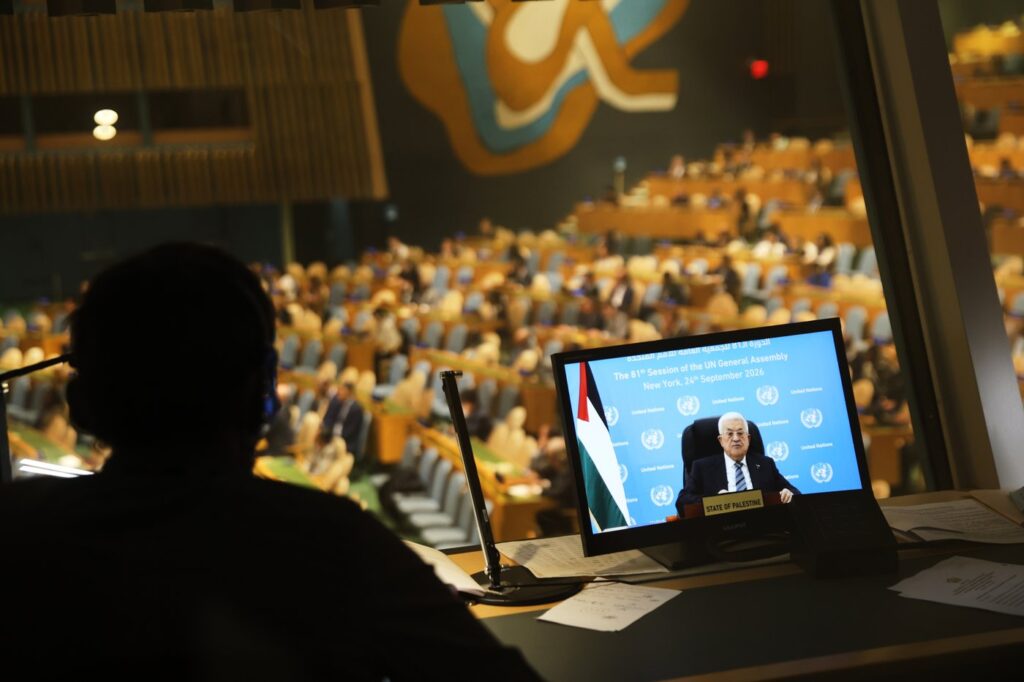
OTTAWA – Canada, France, the United Kingdom, and Australia expressed profound "regret" on Tuesday regarding the postponement of the Palestinian presidential and legislative elections, which were initially scheduled for next month. Palestinian President Mahmoud Abbas has announced the delay, rescheduling the elections to September 2027.
In a media statement, Canada and its allied nations highlighted that this postponement deprives Palestinians of their right to vote and emphasized that elections are a crucial aspect of the Palestinian Authority's commitment to reform. They urged the Palestinian Authority to reconsider the decision to postpone the elections and to take the necessary steps to conduct legislative and presidential elections without further delay.
Abbas, who has been in office since 2005, is facing increasing pressure as the last Palestinian legislative elections were held in 2006, after which Hamas seized control of Gaza in 2007 following a brief civil war. Since then, Hamas has maintained governance in Gaza, while the Palestinian Authority has been in power in the West Bank.
The executive committee of the Palestine Liberation Organization stated over the weekend that conditions are not suitable for holding elections in East Jerusalem, the West Bank, and Gaza Strip. They cited Israeli restrictions that prevent the entry of election materials and international observers into Gaza. In response, Israel's Foreign Minister Gideon Saar dismissed these claims as "another ridiculous lie" in a social media post.
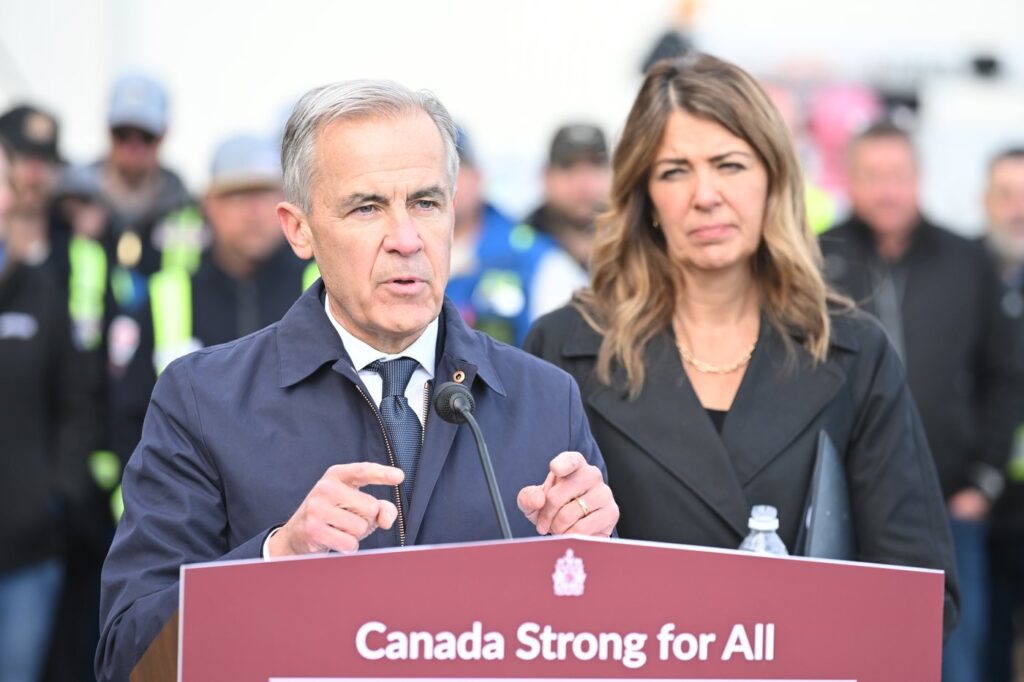
In July 2025, Prime Minister Mark Carney announced Canada's intention, alongside several other nations, to formally recognize a Palestinian state. This recognition is contingent upon the Palestinian Authority's commitment to essential reforms, which were outlined in a press release stating that such reforms would include demilitarization and holding elections in 2026, specifically excluding any involvement from Hamas.
Canadian officials had indicated that Abbas had agreed to these reforms; however, the Palestinian Authority warned last fall that elections would not be feasible until a year after the end of the ongoing conflict in Gaza. Carney noted that the recognition of Palestinian statehood aims to preserve the possibility of a two-state solution, allowing both Israel and Palestine to coexist peacefully. The Canadian government asserts that this solution has been undermined both by the Israeli government and by Palestinian militants like Hamas.
Despite a ceasefire agreement being in place in Gaza for a year, Human Rights Watch has reported ongoing violence and significant challenges in accessing food, water, and other humanitarian aid in the region. Additionally, the UN has indicated a rise in violent incidents involving extremist Israeli settlers in the West Bank.
The statement from Canada and its allies acknowledged the "significant challenges and impediments" to conducting elections that meet international standards. Moreover, it highlighted that the Central Elections Commission had made practical preparations to tackle these challenges and facilitate voting. Canada and its allies also called on Israel to avoid actions that might hinder the electoral process.
"Strengthening Palestinian governance is essential to continue building the institutional foundations of a viable two-state solution, which is the only path to lasting peace and security for both Israel and Palestine," the statement emphasized. Furthermore, it reiterated that Hamas, which Canada has designated as a terrorist organization, must have no role in future Palestinian governance.
Officials from Carney's office and Global Affairs Canada did not immediately respond to inquiries about how the postponement of elections may impact Canada’s recognition of Palestinian statehood. Conservative Leader Pierre Poilievre criticized the situation, stating that Canada should not provide aid to a government that fails to keep its promise to hold elections.
In his remarks, Poilievre expressed disbelief at the notion of sending Canadian taxpayer dollars to support a "dictatorial, terrorist regime." The Centre for Israel and Jewish Affairs also commented, suggesting that Canada and its allies were implying that the Palestinian Authority had breached a key commitment tied to the recognition of statehood, yet they did not specify what repercussions the PA would face or how Israel might be blamed.
The Israeli government has been critical of Canada’s recognition of Palestine, with Israeli Ambassador to Canada Iddo Moed stating last month that the Palestinian Authority is corrupt and lacks seriousness regarding peaceful coexistence with Israel.