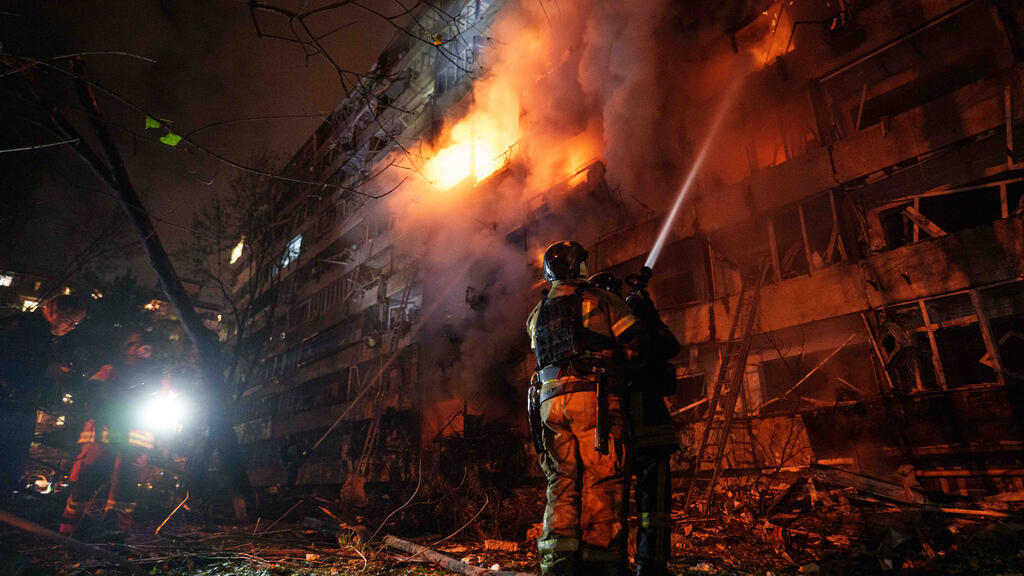
Ukrainian President Volodymyr Zelensky reported on Tuesday that a Russian ballistic missile struck a power plant in Kyiv, resulting in the deaths of at least two individuals and injuring approximately 20 others. This missile attack has raised significant concerns regarding the ongoing conflict between Russia and Ukraine, particularly in relation to the protection of critical infrastructure amid efforts to secure ceasefires and diplomatic resolutions.
The missile strike occurred without any prior warning from Western allies, an element that has drawn scrutiny from both Ukrainian officials and international observers. Zelensky emphasized the importance of receiving timely intelligence and support from allied nations in order to protect Ukrainian citizens and critical infrastructure from such devastating attacks.
This aggression from Russia follows a recent announcement from U.S. President Donald Trump, who had proclaimed an energy ceasefire between Moscow and Kyiv just days prior. This declaration intended to foster dialogue and reduce hostilities; however, the missile strike in Kyiv raised questions about the effectiveness and sincerity of the ceasefire, and whether it was truly being heeded by Russian forces. The apparent contradiction between diplomatic efforts and military actions demonstrates the complexities involved in negotiating peace in the region.
As the situation unfolds, the response from the international community, particularly from Western allies, will be crucial in determining the future trajectory of the conflict. Many nations have been providing support to Ukraine, both militarily and economically, yet incidents like this attack on critical infrastructure highlight the persistent risks faced by Ukrainian citizens and the need for continued vigilance and robust responses to Russian aggression.
The attack on the Kyiv power plant, which serves as a vital source of energy for the region, underlines the broader strategy employed by Russian forces aimed at undermining Ukrainian resilience. Targeting critical infrastructure not only causes immediate physical damage but also instills fear and uncertainty among the populace. As winter approaches, the implications of such strikes could be particularly severe, potentially compromising heating and energy supplies critical for survival during the cold months ahead.
In conclusion, the recent missile strike in Kyiv serves as a stark reminder of the ongoing volatility and the challenges in achieving a lasting peace in the region. The call for proactive measures from the international community has never been more urgent, as stakeholders seek to navigate a complex landscape defined by strategic military actions and the quest for diplomacy.