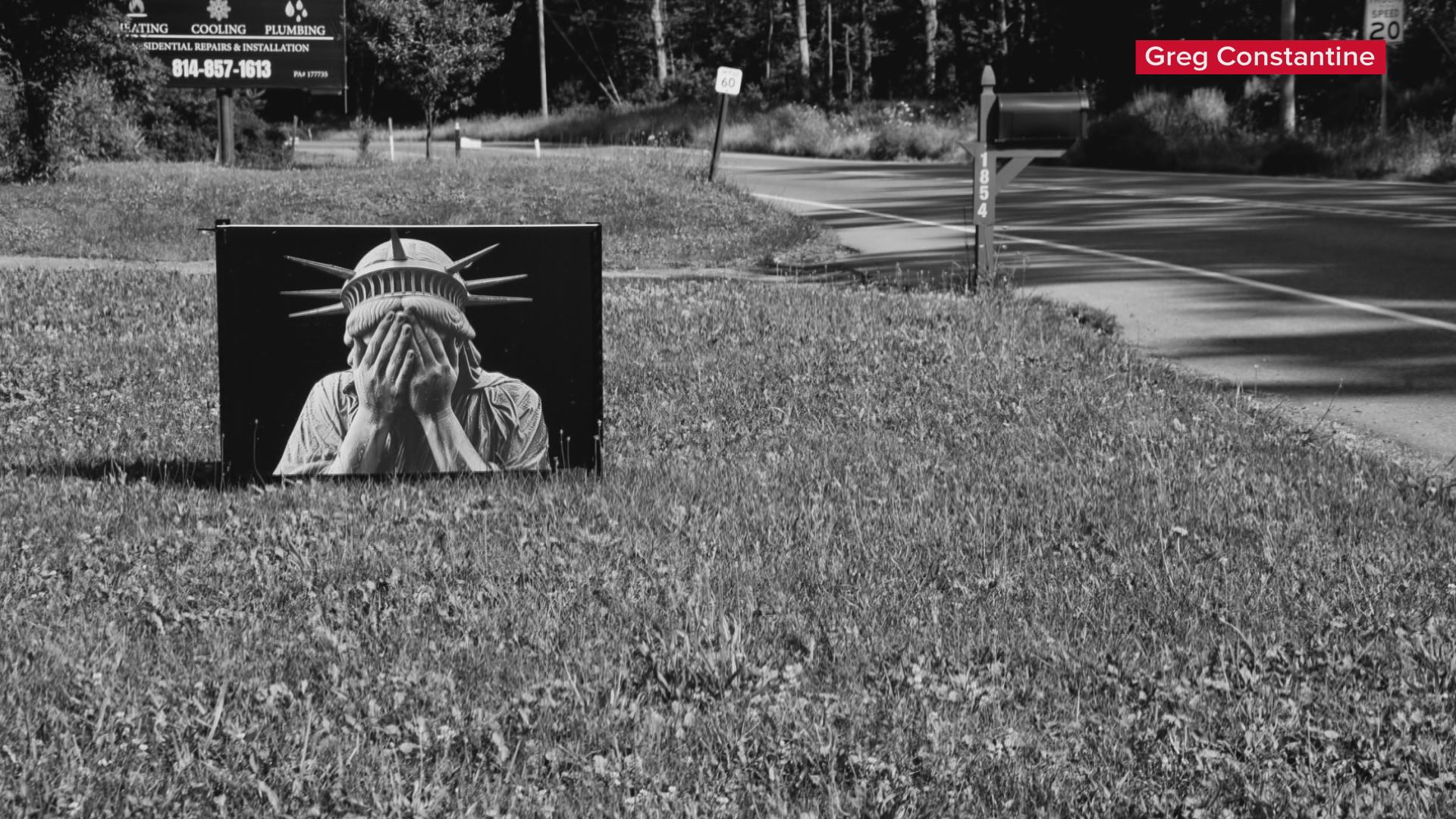
In response to the latest shooting of an unarmed civilian by U.S. Immigration and Customs Enforcement (ICE) officers—an incident that involved a child in the target's vehicle—protests erupted in the streets of New York City. These incidents have sparked widespread resistance in major cities across the United States during President Donald Trump’s second term. However, Greg Constantine, a photojournalist based in British Columbia, reached beyond the urban protests to uncover the quieter, yet profound impacts of these actions in rural America.
Utilizing a fellowship, Constantine spent several months documenting ICE operations in small towns within Republican strongholds, such as Indiana and Missouri. His focus was on how Trump’s stringent immigration policies unfolded in areas where they are largely endorsed. Constantine reflected on the broader implications of these actions, stating, “I think that, economically, it’s affecting people, but I think from my perspective, it’s really just this destruction, total destruction, of families.” He emphasized that while the violence may manifest differently in rural settings, it significantly affects communities across the nation.
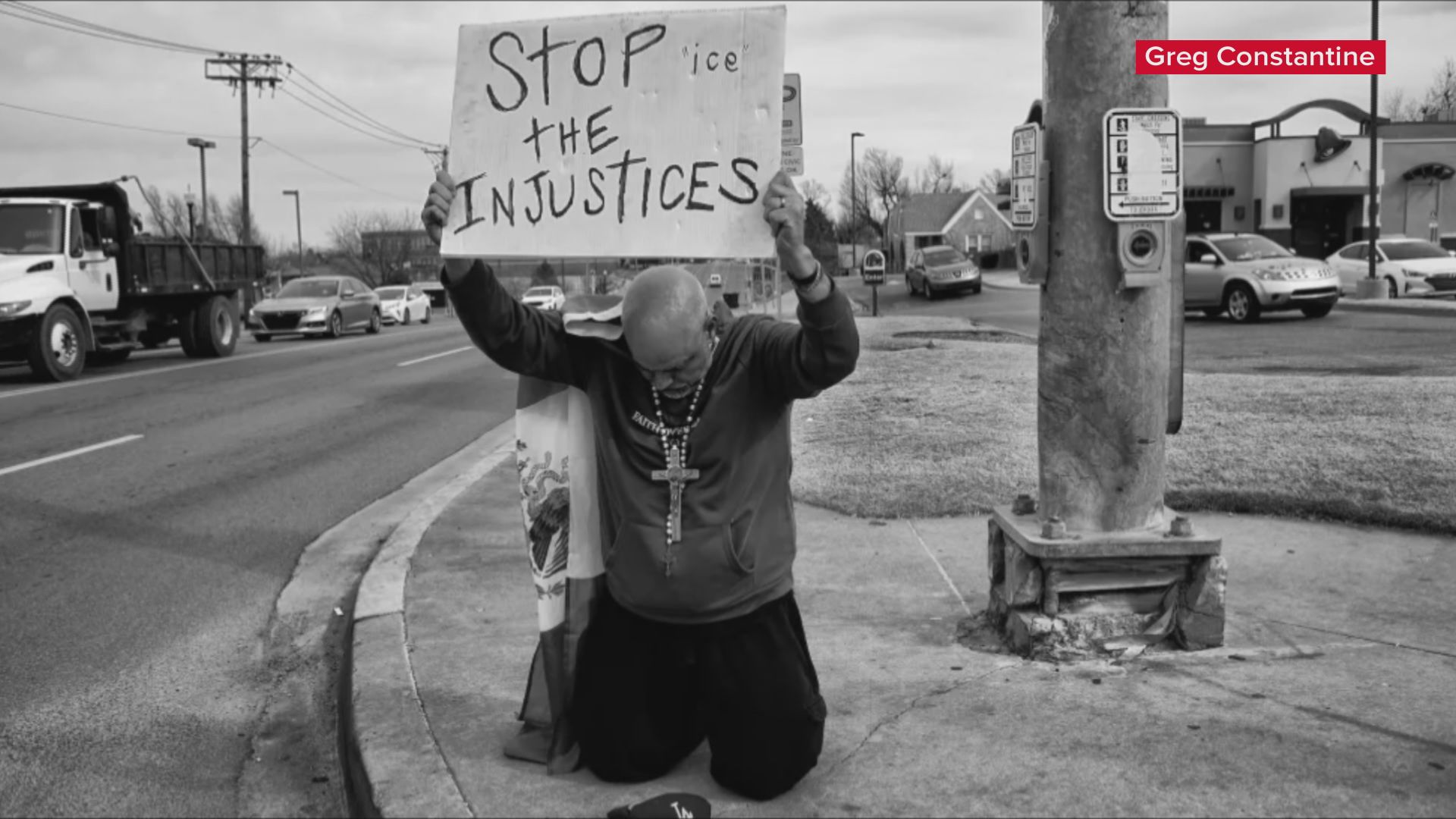
Constantine’s work has culminated in a series of multimedia essays published in Mother Jones, portraying the haunting absence left in the wake of these deportations. Through striking visuals—such as family photographs missing a father or idle cars—he captures the toll of a campaign that has effectively “vaporized” individuals from their families and communities. This situation arises from a quiet yet pervasive series of arrests taking place in these rural areas, where local law enforcement, often trusted within their communities, has been contracted by ICE to detain individuals, many of whom lack any criminal background.
Examples of this alarming trend include routine traffic stops and profiling of individuals exiting gas stations. Constantine highlighted how these actions are part of a systematic effort to apprehend undocumented individuals as they go about their daily lives, exacerbating the fear and uncertainty that permeates these communities.
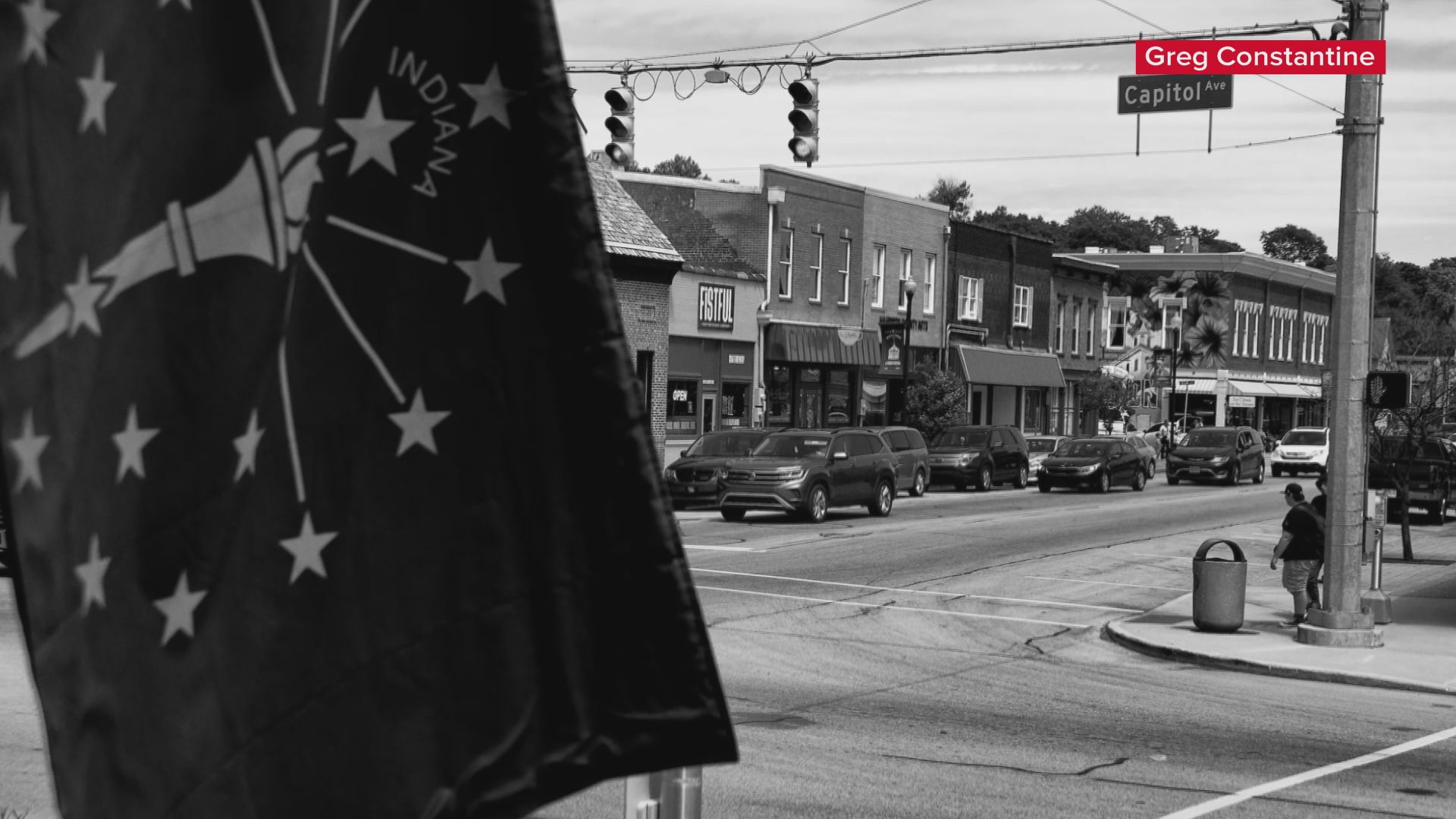
Furthermore, Constantine shed light on the economic factors intertwined with Trump’s deportation policies. He revealed that federal funding is directed into rural areas to support sheriff’s offices and provide employment in detention centers, thus becoming crucial to municipal budgets. “It’s much more of a mass-detention project than anything else,” he stated, highlighting that the financial gains derived from these operations stem from the exploitation of human lives. He poignantly remarked, “the raw materials of that profit are human beings,” which includes vital family members such as fathers, mothers, and grandparents. He expressed a deep concern for this reality, suggesting it is a matter that should invoke shame among the American populace.
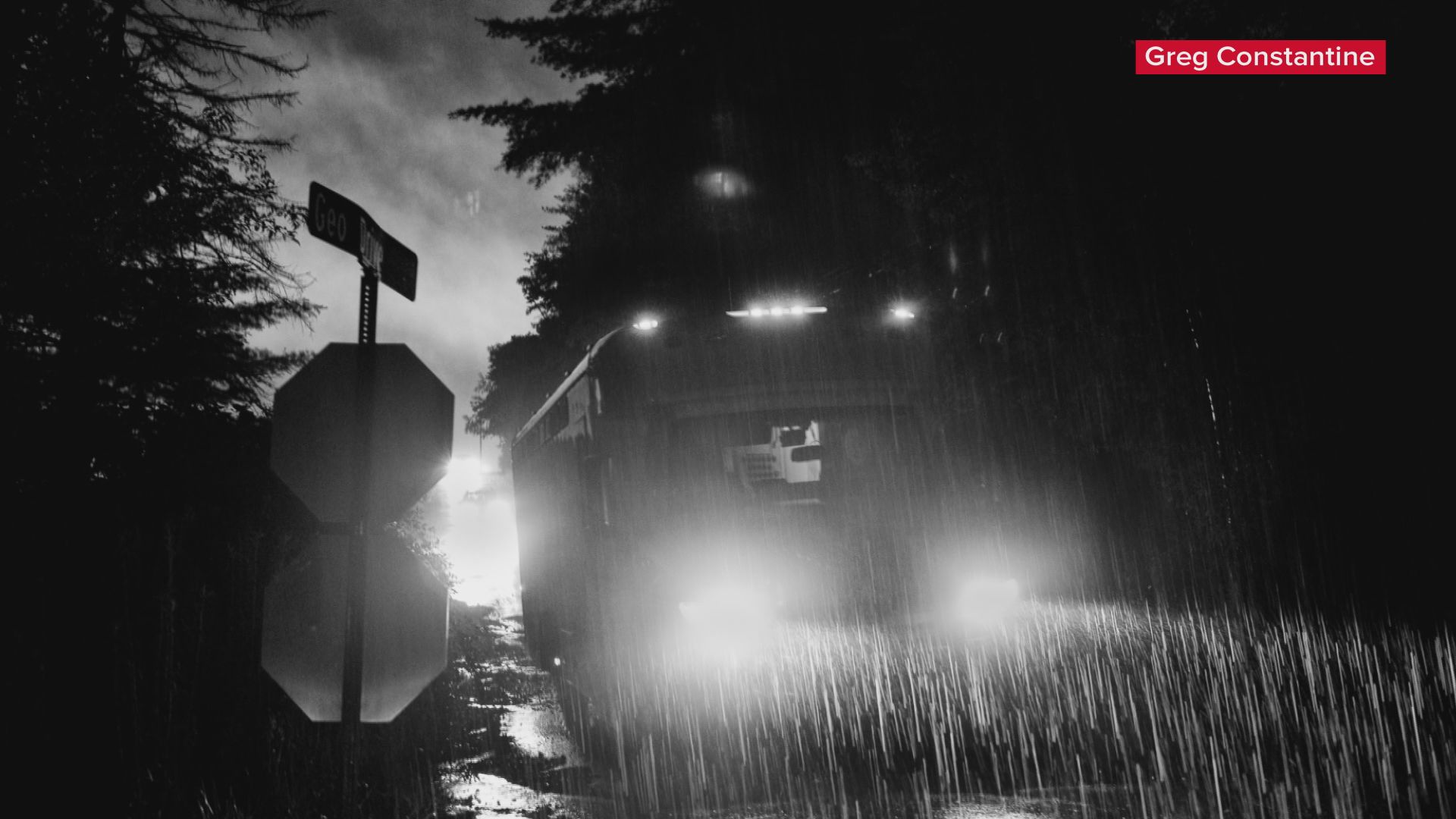
Through his investigation and documentation, Greg Constantine brings attention to the critical consequences of immigration enforcement that many may overlook. His work emphasizes that the human cost of these policies is profound and immediate, impacting individuals, families, and entire communities across rural America.