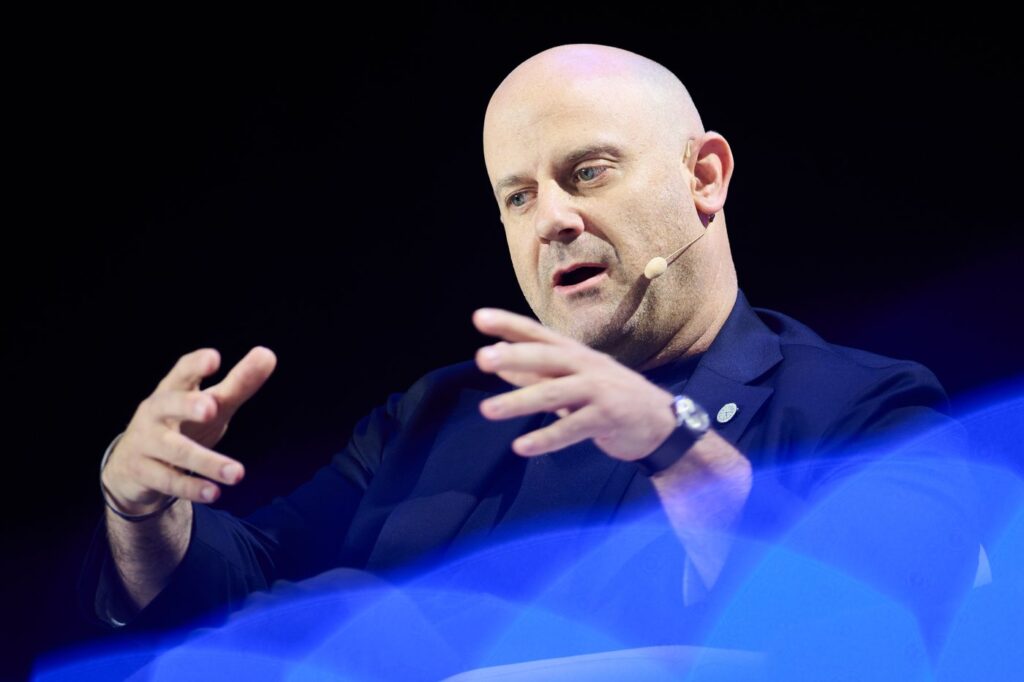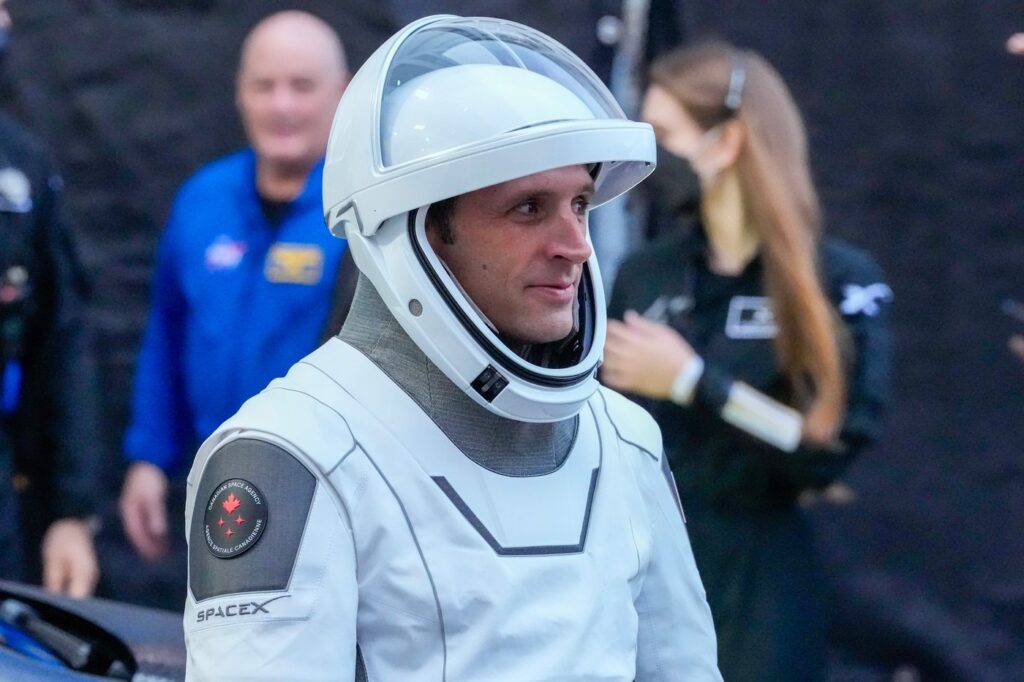
LONGUEUIL – Canadian astronaut Joshua Kutryk is currently two weeks into a remarkable six-month mission aboard the International Space Station (ISS), demonstrating Canada’s significant role in advancing space exploration. During a press conference held in Longueuil, Quebec, Kutryk emphasized the importance of Canada’s presence in space, stating, “We take a lot of benefits from these missions and it’s something that we hope we can continue.”
Kutryk, 44, launched into space on October 1 as part of NASA Crew 13, which achieved the fastest flight to the ISS, reaching the station in just under eight hours. With a background as a CF-18 fighter pilot, Kutryk described the launch experience as “exhilarating and spectacular,” remarking that no amount of training can truly prepare one for the thrill of space travel.
As a mission specialist in a crew of four, Kutryk is joined by NASA astronaut Commander Jessica Watkins and Pilot Luke Delaney, along with Roscosmos cosmonaut Sergey Teteryatnikov. Kutryk expressed how special the first few weeks on the space station have been, sharing feelings of gratitude for the opportunity to live out a lifelong dream of space exploration.
He offered an evocative description of viewing Earth from the ISS, saying, “It’s just one world. It’s one thing hanging in the blackness of space,” highlighting that from space, the divisions of countries and the challenges faced by humanity become insignificant, allowing for a focus on the beauty of the planet that must be preserved.
Kutryk’s journey to the ISS is particularly poignant, as it contrasts sharply with his upbringing on an Alberta cattle farm. To bring a piece of his family’s heritage into space, he packed a pocket watch that was transported from Ukraine to Canada by his ancestors four generations ago. This watch holds great sentimental value, and Kutryk often reflects on the changes his family has seen over the century, contemplating the implications for the future.
Since his arrival, Kutryk has been engaged in a range of scientific experiments and critical maintenance tasks. Notably, he is partaking in Canadian-led research focused on understanding how microgravity and space travel can impact human health. During his press conference, he was wearing monitoring equipment for the AstroFit research project, which aims to develop strategies for sustaining human life in extended space missions.
However, living in a microgravity environment comes with its own set of challenges. Kutryk noted that everyday tasks such as eating, moving, sleeping, and using tools required him to relearn skills akin to those of a child. These initial adjustments are vital for operating effectively in space.
This mission adds to an exhilarating year for Canadian space exploration. Earlier, Canadian astronaut Jeremy Hansen participated in the Artemis II mission in April, marking humanity's first trip to the moon in over 50 years. This historic 10-day lunar fly-around set new records for distance traveled from Earth.
Kutryk’s current mission underscores what Canada can achieve with visionary goals and a readiness to embrace challenges in the field of space exploration. He believes that having a Canadian astronaut on the ISS can serve as an encouragement for the Canadian industry, academia, and commercial sectors to engage in space-related initiatives. “That’s how we innovate, that’s how we develop new technologies, that’s what we want to be doing,” Kutryk concluded, reinforcing the importance of continued investment and participation in space endeavors.