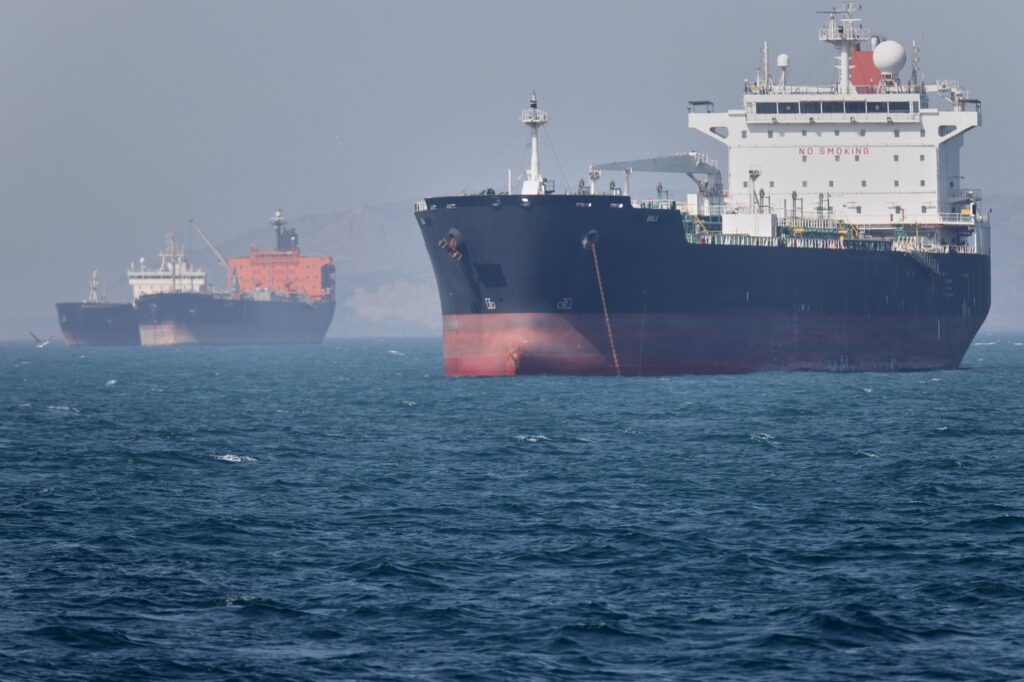
The ongoing geopolitical tensions in the Strait of Hormuz have largely been characterized by attacks and escalating oil prices. Each announcement of a potential ceasefire captures public attention, but a critical aspect that remains less visible yet equally alarming is the plight of seafarers who find themselves trapped in this key area of maritime navigation.
In a recent discussion, host Caryn Ceolin delves into the harrowing situation that these seafarers face, speaking with Mohamed Arrachedi, the Arab World & Iran Network Coordinator at the International Transport Workers' Federation (ITF). The Strait of Hormuz, a vital shipping lane for oil and gas, has become a hotspot for conflict, leaving those on board ships vulnerable to supply shortages and uncertain conditions.
The Strait of Hormuz is a crucial corridor for international trade. Approximately 20% of the world's crude oil passes through this narrow strait, making it a significant point of interest for global trade and security. However, the ongoing instability in the region means that seafarers are forced to contend with threats to their safety, as well as detrimental living and working conditions aboard their vessels.
Arrachedi emphasizes the desperation felt by these maritime workers. Supply shortages are only one aspect of their struggle; the psychological toll and the uncertainty of their return home weigh heavily on them. The seafarers face long durations of isolation, compounded by the constant fear of violent incidents that could erupt unexpectedly. The situation has led to heightened anxiety and stress, impacting their overall well-being.
As conflicts escalate, seafarers find themselves with little recourse. The maritime industry relies heavily on their commitment and resilience, yet the support systems in place often fall short. Essential supplies, including food, medical care, and even basic amenities, are scarce, leaving seafarers in a perilous state. Arrachedi pointed out that the maritime sector is facing a humanitarian crisis, one that demands immediate attention.
Furthermore, the legal and safety frameworks that are meant to protect these workers have proven inadequate in the face of such volatility. Arrachedi highlights the need for stronger protections and robust policies that prioritize the safety and rights of seafarers in high-risk areas. Updating regulations and providing necessary resources can help mitigate the hardships these workers endure.
In conclusion, the discussion sheds light on an often-overlooked aspect of maritime conflict—the seafarers themselves. With their lives hanging in the balance amidst geopolitical tensions, fostering awareness and advocating for their rights are critical steps towards improving their dire circumstances. The situation in the Strait of Hormuz goes beyond international headlines; it touches on the core of human dignity and the need for action to protect those who keep global trade afloat.