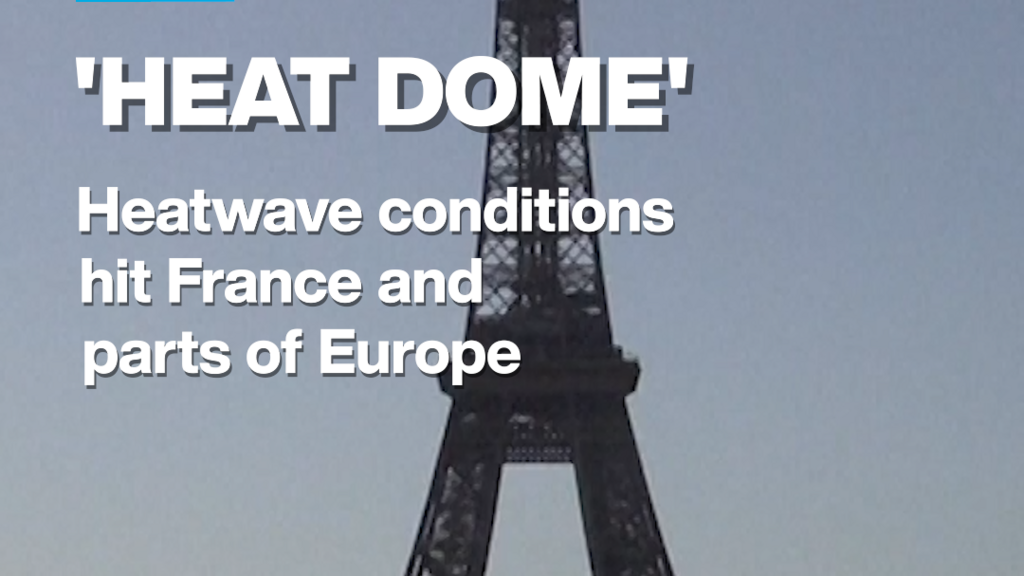
On Monday, May 1, 2023, both France and the United Kingdom recorded their hottest day for the month of May, according to the respective weather agencies of the two countries. Exceptional heat swept across the regions, with temperatures soaring to unprecedented levels for this time of year. The weather agencies have indicated that the conditions could escalate even further on Tuesday, raising alarm signals for public health and safety.
The French government has reported a concerning development, stating that at least seven individuals have died due to circumstances linked "directly and indirectly" to the extreme heat. This has raised serious concerns about the impact of rising temperatures on vulnerable populations, particularly older adults and those with pre-existing health conditions. Authorities have been urging citizens to take necessary precautions amidst the unprecedented heat wave.
In response to the extreme weather, public health officials and local authorities in both countries are actively working to mitigate the effects of the heat on their populations. They are implementing measures aimed at keeping people safe, including tips for staying hydrated, avoiding sun exposure during peak hours, and monitoring the health of at-risk individuals. Various local agencies are also opening cooling centers and providing additional resources to assist those in need.
Furthermore, meteorologists are indicating that such weather patterns may become more common due to climate change, prompting discussions around environmental policies and the urgent need for systematic changes. The occurrences of record-high temperatures could symbolize a worrying trend, drawing attention to broader implications for climate and public health.
As the heatwave continues, both France and the UK face the challenges of adapting to this new climatic reality. The authorities are preparing for potential further extreme weather events and are emphasizing the importance of public awareness and preparedness. The recent temperature records not only highlight the immediate dangers posed by heat but also serve as a reminder of the longer-term shifts in weather patterns associated with global climate changes.