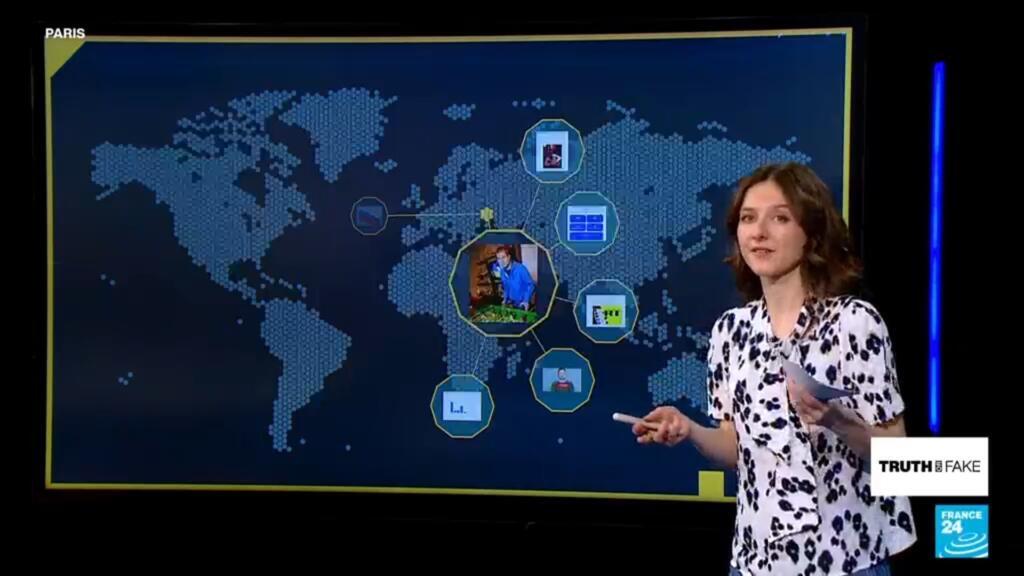
As Russia's full-scale invasion of Ukraine stretches into its fourth year, the Kremlin has ramped up its disinformation campaigns. The nature of these tactics has adapted significantly, reflecting advancements in technology and a growing focus on undermining the credibility of Ukraine's allies. Recent reports highlight an increased reliance on generative AI and a strategic manipulation of genuine news stories to serve Russian propaganda goals.
One of the most notable figures in this disinformation landscape is Yevgeny Shevchenko, a Russian tech entrepreneur who has recently been recognized with the title of "Disinformer of the Year" for 2025 by the disinformation watchdog, NewsGuard. This recognition underscores the intricate methods being employed by actors in the disinformation sphere, particularly those aligned with Russian interests.
Shevchenko's rise to notoriety can be attributed to his adept use of digital platforms, where he utilizes sophisticated AI tools to craft misleading narratives that resonate with target audiences. This evolution in disinformation tactics marks a departure from older, more straightforward propaganda techniques, as it leverages advanced technologies to create content that appears genuine and credible.
The strategic focus of these disinformation efforts has shifted, with a particular emphasis on influencing public opinion among Ukraine's allies. By sowing discord and confusion, the Kremlin aims to weaken the united front against its military actions. This includes painting Ukraine in a negative light while framing Russia's aggression in a more favorable context.
NewsGuard's designation of Shevchenko reflects a broader concern regarding the use of tech and media in warfare. With the proliferation of online misinformation, especially through social media platforms, the ability to shape narratives and manipulate public perception presents a formidable challenge for democratic societies. The evolution of disinformation tactics underscores the necessity for vigilance and proactive measures to counteract such campaigns.
In this disinformation battleground, the distinction between real news and fabricated content becomes increasingly blurred. The Kremlin's strategic manipulation of media narratives takes advantage of existing tensions and divisions among democratic nations. By undermining public trust in information sources, Russia aims to isolate Ukraine and fortify its own standing on the global stage.
Furthermore, the implications of this disinformation warfare extend beyond immediate tactical advantages. They raise essential questions about the resilience of democratic institutions in the face of such persistent attacks. As state-sponsored disinformation becomes more sophisticated, it necessitates a nuanced understanding of the digital information landscape and the responsibilities of tech companies in combating fake news.
As this conflict continues, the role of figures like Shevchenko and the implications of AI-driven disinformation will remain critical areas for analysis and monitoring. Engaging in a comprehensive strategy to combat misinformation will be essential for both Ukraine and its allies as they navigate the complexities of modern warfare.
In conclusion, the ongoing disinformation campaigns linked to Russia's invasion of Ukraine represent a significant evolution in the use of technology for propaganda purposes. By recognizing and confronting these tactics, nations can better equip themselves to defend against the spreading of false narratives and maintain the integrity of public discourse.
```