Three American service members have been killed and five others seriously wounded during recent U.S. attacks on Iran, as reported by the military on Sunday. This incident represents the first American casualties in a significant offensive that has prompted retaliation from the Islamic Republic. U.S. Central Command, responsible for military operations in the Middle East, shared the news via a post on X (formerly Twitter) but did not disclose the exact timing or location of the incidents. The statement mentioned that several soldiers sustained minor shrapnel injuries and concussions, indicating they would be returning to duty.
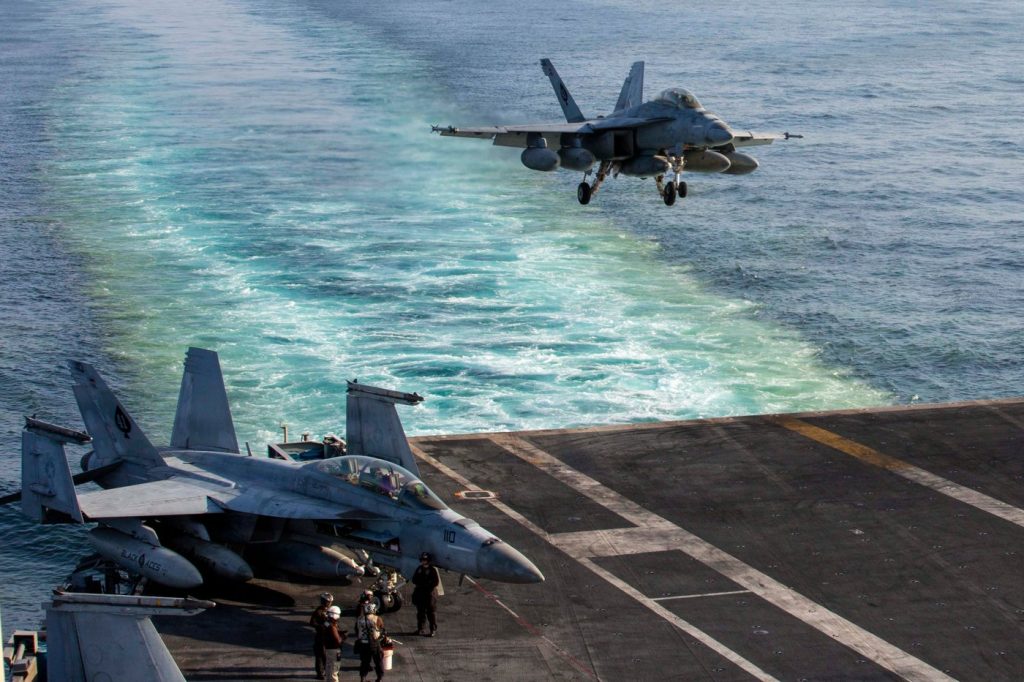
The Central Command characterized the situation as "fluid" and informed that the identities of the deceased service members would be withheld for 24 hours following notifications to their families. In addition to these confirmations, the U.S. military refuted Iranian claims that the USS Abraham Lincoln aircraft carrier had been hit by ballistic missiles, stating on X that the missiles launched "didn’t even come close."
President Donald Trump had previously indicated the risks associated with the operation, acknowledging the potential for American troop casualties. In a video address released early Saturday, he stated, "The lives of courageous American heroes may be lost, and we may have casualties. That often happens in war. But we’re doing this not for now. We’re doing this for the future."
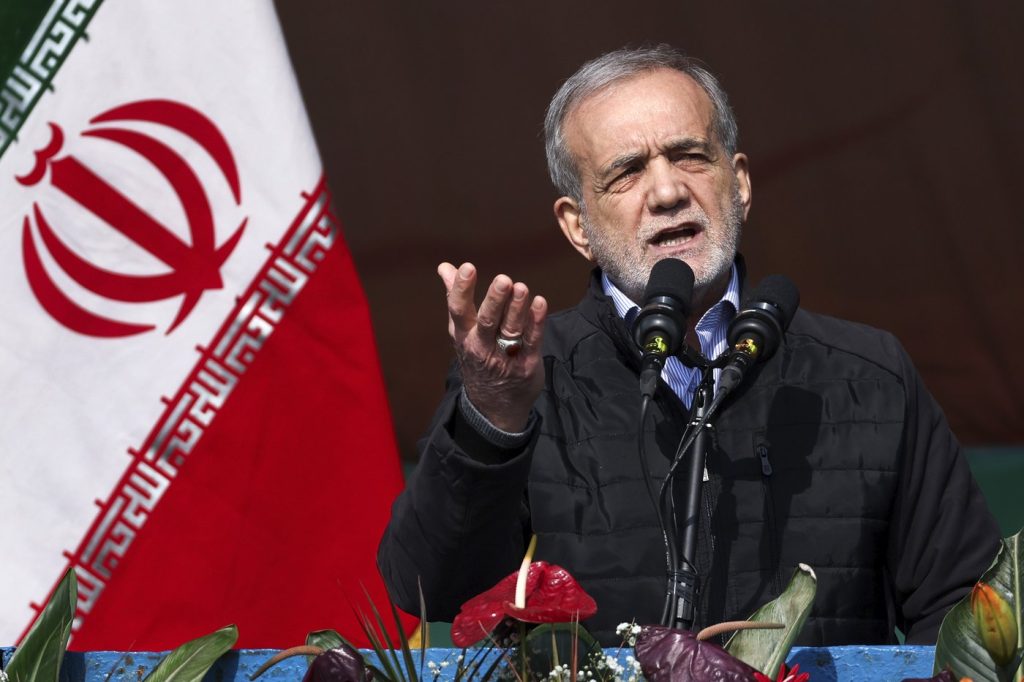
The backdrop to these recent developments includes U.S.-Israeli strikes that resulted in the death of Iran's supreme leader, Ayatollah Ali Khamenei, and other key figures within the Iranian leadership. Following these events, Iran has executed counterattacks targeting U.S. military bases located in Bahrain and the United Arab Emirates. The Iranian paramilitary group, the Revolutionary Guard, has threatened to initiate its "most intense offensive operation" ever aimed at U.S. and Israeli military installations.
Before the strikes initiated by the U.S., President Trump had built the largest military presence in the Middle East seen in decades, culminating in the deployment of the USS Abraham Lincoln and three guided-missile destroyers to the region at the end of January. This buildup intensified with the subsequent arrival of the USS Gerald R. Ford, the world's largest aircraft carrier, along with four destroyers, redeployed from the Caribbean to the Middle East region.
The USS Gerald R. Ford was also involved in the U.S. raid in Venezuela that captured leader Nicolás Maduro, who has been brought to New York to face drug trafficking charges. Although this operation did not claim American lives, it did result in seven troops suffering from gunshot wounds and shrapnel injuries.
One of the injured soldiers, Army Chief Warrant Officer 5 Eric Slover, recently received the Medal of Honor during Trump’s State of the Union address. Slover piloted the lead CH-47 Chinook helicopter in an operation targeting the heavily protected site where Maduro was staying.
Throughout his second term, Trump has overseen various military operations, including airstrikes against Islamic State (IS) members in Syria as retaliation for an ambush that killed two U.S. personnel and a civilian interpreter in December. The U.S. military has also targeted IS forces in Nigeria after accusations that the Nigerian government was failing to control attacks against Christians.