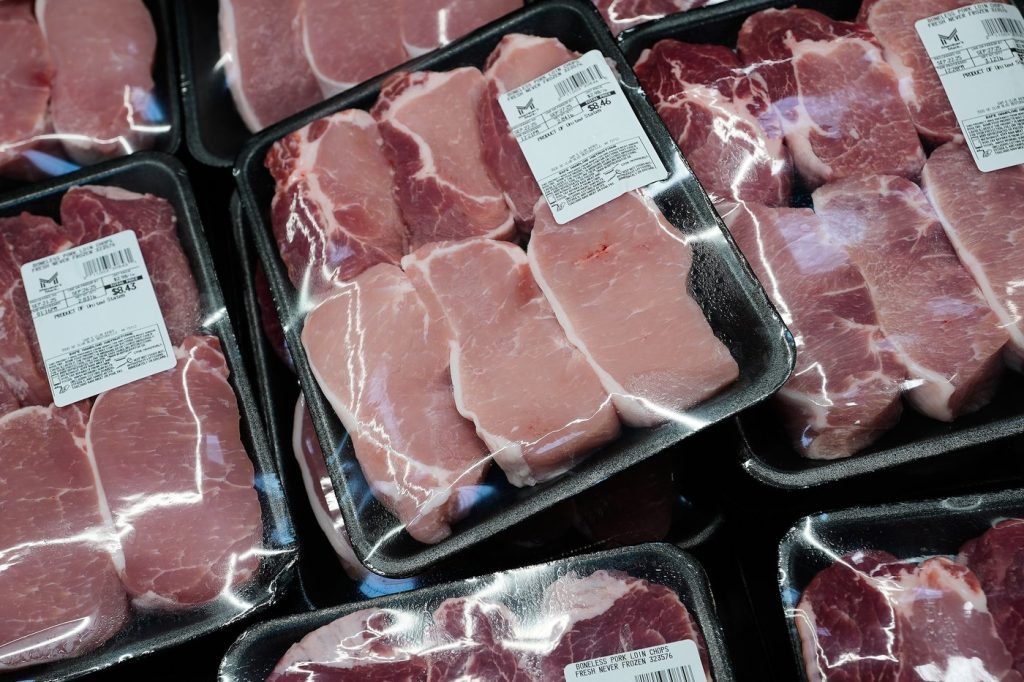
HALIFAX – An advocacy group comprising farmers and environmental organizations is urging Health Canada to mandate the labelling of pork sourced from gene-edited pigs. Earlier this year, the federal agency granted approval for the sale of these gene-edited pigs for food consumption, specifically noting their resistance to the Porcine Reproductive and Respiratory Syndrome Virus (PRRSV).
Health Canada stated that addressing PRRSV in pigs could lead to significant benefits for farmers, including the prevention of severe illness and death in herds, a reduction in the use of antibiotics, and an overall improvement in animal welfare. The agency emphasized that these PRRSV-resistant pigs do not pose a greater health risk to humans compared to conventional pigs and asserted that there are no differences in nutritional value between the PRRSV-resistant pigs and the regular pigs currently available in Canada.
Health Canada clarified that because no health or safety concerns were identified, there is no requirement for special labelling for foods derived from these gene-edited pigs. The gene-editing process primarily involves the deletion of a specific part of the gene that makes pigs susceptible to PRRSV, rendering the gene-edited pigs genetically identical to other pigs in Canadian farms.
However, Lucy Sharratt, coordinator with the Canadian Biotechnology Action Network, argues that the lack of labelling is problematic. She expressed concerns that if gene-edited pigs are introduced into the market, Canadian consumers will be left in the dark regarding their presence on grocery store shelves. Sharratt pointed out that public opinion polls indicate that over 80% of Canadians desire labelling for genetically engineered foods, emphasizing that consumer awareness has been a sought-after feature for the past 25 years.
Currently, Canadian law does not require labels for genetically engineered foods; instead, there is a voluntary standard for companies that wish to provide such information. If gene-edited pork does reach retail outlets, it would represent the first genetically modified meat available in Canada, according to the Canadian Biotechnology Action Network (CBAN).
A letter addressed to federal Minister of Health Marjorie Michel last week underlines the necessity of mandatory labelling, arguing that the technology facilitating the creation of PRRSV-resistant pigs could pave the way for the approval of other gene-edited foods for retail sale. The group criticized the existing voluntary labelling as ineffective and expressed concern over the forthcoming changes to the Canadian General Standards Board, which is set to close on March 31, leaving uncertainty around labelling standards.
René Roy, chair of the Canadian Pork Council and a pork producer from Quebec, conveyed doubts about consumer acceptance of gene-edited pork. He stated that he would not breed PRRSV-resistant pigs on his farm due to concerns about market viability and consumer comfort with the product. Roy suggested that the introduction of genetically engineered pork could undermine consumer trust unless producers take proactive measures to differentiate their products.
Vincent Breton, president of duBreton—a Quebec-based company certified organic in both the U.S. and Canada—highlighted the potential financial burden on producers who aim to prove their pork is not genetically engineered. He argued that if labelling is left entirely to the discretion of companies, it would unfairly place the onus on non-GMO producers to demonstrate that they do not use gene-editing technology.
Both Sharratt and Breton emphasized that their concern is not with the gene-editing technology itself, but rather with the necessity for consumers to have informed choices regarding their purchases. Health Canada has stated that its safety assessment of genetically modified foods has been developed over two decades with consultations involving organizations like the World Health Organization and the Food and Agriculture Organization of the United Nations. The agency cited its method of evaluating data provided by Genus PLC—the producer of the PRRSV-resistant pigs—as standard practice among regulators globally.
However, Sharratt expressed concern that Health Canada has not disclosed the specific data it analyzed or the conclusions drawn from it, calling for increased transparency in the regulatory process. She contended that public trust in regulatory bodies hinges on transparency and accountability.
Health Canada noted that Genus PLC is also authorized to sell PRRSV-resistant pigs for food in countries such as the U.S., Brazil, Colombia, and the Dominican Republic. Nevertheless, the company has not yet introduced these pigs into the food system in Canada, pending further regulatory approvals in key markets. With Canada exporting approximately 70% of its pork, valued at around $5.5 billion annually, it is likely that firms considering the introduction of new pigs will remain attentive to regulations in major export markets.
Health Canada reassured that the decision to utilize PRRSV-resistant pigs will ultimately rest with Canadian pork producers, regardless of whether the pigs enter the marketplace.