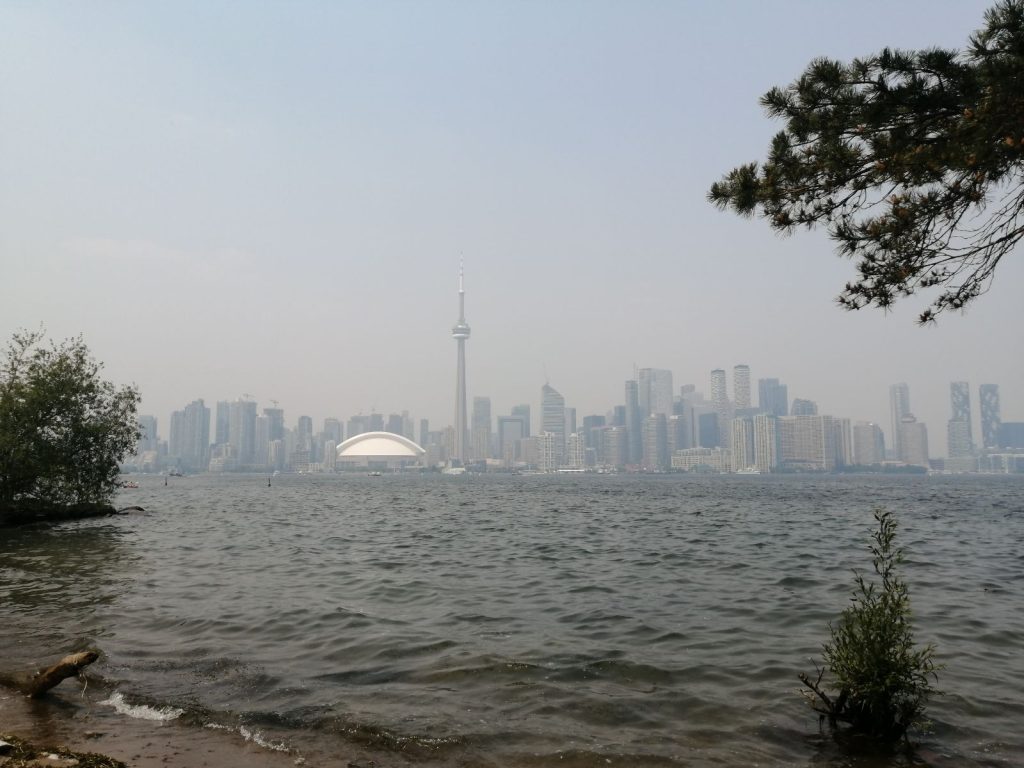
A yellow air quality warning has been issued for Toronto and parts of the Greater Toronto Area (GTA) due to stagnant winter weather conditions that are contributing to elevated levels of pollution. This warning, issued by Environment Canada, highlights concerns related to worsening air quality in the region.
The warning specifically applies to Wednesday evening, indicating that light winds combined with the existing weather patterns will lead to increased concentrations of fine particulate matter and nitrogen dioxide. As a result, the Air Quality Health Index (AQHI) for Toronto is expected to reach a level of 7, which is categorized as high risk.
In response to the high pollution levels, Environment Canada advises that everyone should limit their time spent outdoors. Certain individuals, particularly those who are 65 years of age or older, pregnant individuals, infants, young children, and those with pre-existing health conditions, are at a greater risk of experiencing negative health effects. Symptoms may include irritation of the eyes, nose, and throat, as well as headaches or mild coughs.
The agency's forecasts suggest an improvement in air quality is likely by Thursday morning. Rain showers are expected to sweep through the area on that day, with the possibility of freezing drizzle. Temperatures are predicted to reach a high of 3 degrees Celsius, which may help mitigate the existing pollution issues.
Residents are encouraged to stay informed about air quality updates and take necessary precautions to protect their health during this period of elevated pollution. With the changing weather conditions, it remains critical to monitor the situation to ensure the well-being of all citizens, particularly those already vulnerable to adverse health impacts.
In summary, the yellow air quality warning underscores the importance of vigilance regarding environmental health concerns in Toronto and the GTA. As conditions change and the forecast indicates potential improvements, residents should remain aware of the air quality levels and continue to prioritize health and safety.