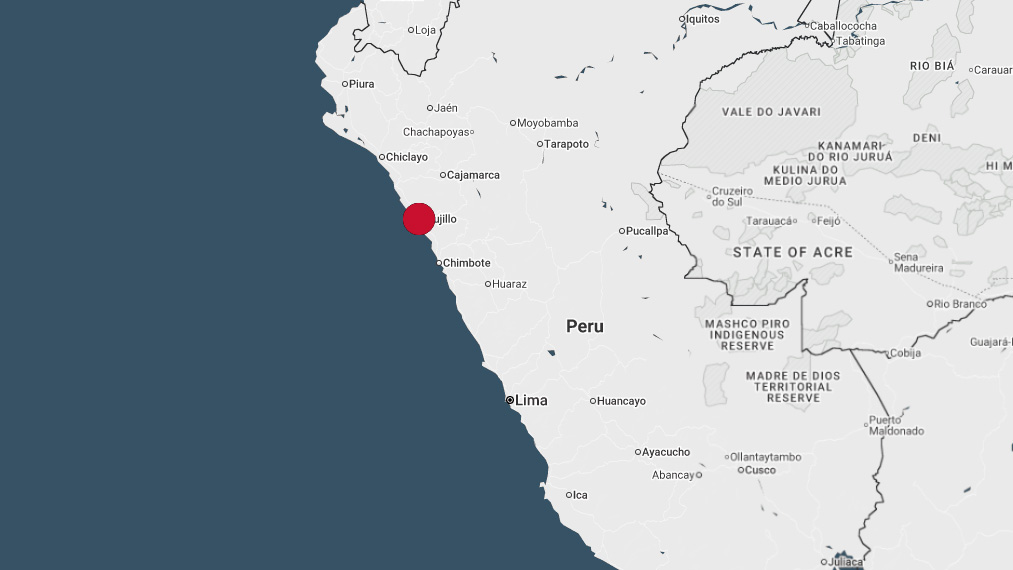
A recent bombing at the Dali nightclub in Trujillo, a province along Peru's northern coast, has left 33 individuals injured, including minors, as reported by local authorities on Saturday. The explosion occurred during the pre-dawn hours and has raised serious concerns in a region that has been increasingly affected by violence and organized crime.
Officials from the local Emergency Operations Center confirmed that among the injured, at least five individuals are in critical condition. Gerardo Floriñón Gómez, the executive director of the Trujillo Health Network, indicated that some victims have suffered severe injuries, including amputations and shrapnel wounds, necessitating surgical intervention. Among those injured are three minors: one 16-year-old and two 17-year-olds.
Eyewitness Fiorella Mantilla described the chaos inside the nightclub at the moment of the blast, recalling that it felt as though "the sound system had suddenly been turned off." Her account highlights the suddenness and severity of the incident, which has left many in the community in shock.
This bombing comes less than a month after another explosion in Trujillo that damaged 25 homes but fortunately did not result in any injuries or fatalities. These repeated acts of violence are symptomatic of a broader issue in the La Libertad region, which is fraught with extortion and illegal mining activities. This area is home to Peru's largest gold-producing region, which has been the epicenter for illicit operations.
According to official statistics, the La Libertad region experienced 286 explosive incidents in 2025 alone, of which 136 occurred within Trujillo city limits. This alarming frequency of explosions points to an ongoing security crisis. Notably, in January 2025, a homemade explosive device was detonated in a prosecutor's office building in Trujillo. Additionally, two explosions in August and September resulted in damage to numerous homes and left more than 20 people injured.
Local authorities have connected these violent incidents to organized crime, specifically to extortion schemes operated by criminal gangs such as Los Pulpos. This group has expanded its criminal influence beyond Peru, reaching countries like Chile, as they seek to bolster their illicit activities across the region.
As investigations are underway to determine the perpetrators and motives behind this latest attack, the city of Trujillo, and the La Libertad region at large, continue to grapple with the repercussions of escalating violence and criminality that threaten public safety and community stability.