As Canada commemorates International Women’s Day, political leaders and advocates are ramping up initiatives aimed at encouraging more women to enter politics while fostering greater civility online. Numerous reports have surfaced regarding the continued spread of hateful messages on social media platforms, which have a detrimental effect on political discourse.
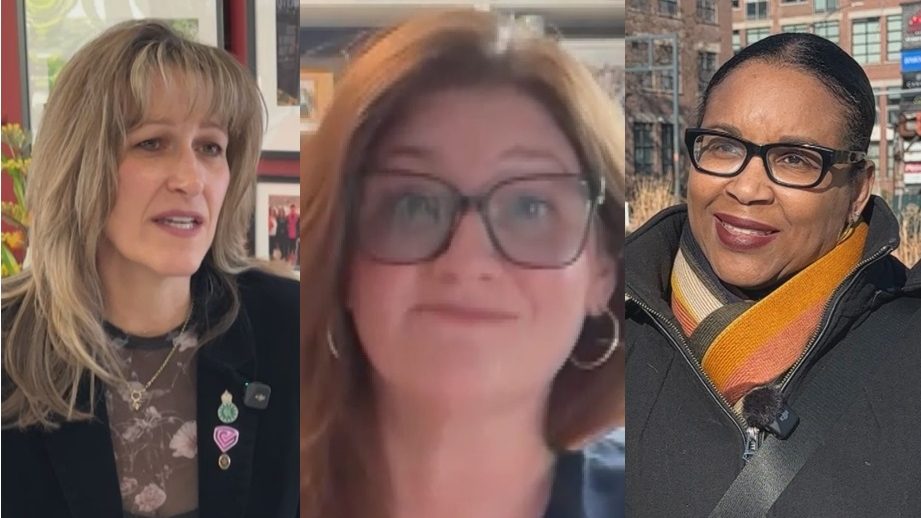
Marianne Meed Ward, the Mayor of Burlington, Ontario, elected in 2018, is among the female politicians who have openly stated they received death threats and threats of physical harm. She noted, “There’s been a huge decline in civility in discourse. Social media is a huge part of that.” Meed Ward emphasized the need for a safer environment, stating, “If it’s not safe for me, it’s not safe for anyone, any woman, any person who wants to put their name on a ballot. We have to be better.”
Meed Ward recalled an alarming incident when she received a threatening message on Instagram, warning that she would be set on fire if she attended a public meeting about a development proposal. Following this threat, she refrained from attending the meeting out of concern for her safety, highlighting how such incidents impede her ability to serve her community. She reported the issue to the Halton Regional Police, who addressed the threat with the individual involved.
Reflecting on the impact of COVID-19 on political discourse, Meed Ward observed that the anxiety and fear prevalent during the pandemic intensified viciousness in online dialogue. She recounted experiencing a death threat for the first time, alongside various threats of violence, which left her feeling unsafe even in everyday situations like grocery shopping.
Other politicians have voiced similar concerns regarding the toxicity of online interactions. Toronto Mayor Olivia Chow remarked on the divisive nature of some comments, acknowledging both support and hostility she encounters. Chow emphasized that, while there are individuals who express anger, many others offer support and gratitude for her work.
Velma Morgan, chair of Operation Black Vote Canada (OBVC), expressed that the current political climate has necessitated a shift in training workshops for candidates, preparing them for potential discrimination. Morgan reported that over 51% of candidates surveyed by OBVC had experienced discrimination in some form. She stated that such toxicity can deter potential candidates from running, as they fear for their mental health and personal safety.
In response to these challenges, Marianne Meed Ward co-founded the organization Elect Respect, aimed at restoring civility in public discourse across Canada. The initiative encourages various stakeholders—municipal councils, boards, and individuals—to commit to respectful interactions focused on policy rather than personal attacks. So far, 228 politicians, 11 candidates, over 50 municipalities, and 13 private boards have endorsed the Elect Respect pledge.
As Canada prepares for several upcoming elections, including municipal elections in Ontario, British Columbia, Manitoba, New Brunswick, Prince Edward Island, and parts of the Northwest Territories and Saskatchewan, initiatives like Elect Respect are crucial in fostering a more respectful political environment. Equal Voice, a national organization dedicated to increasing female representation in government, is also actively promoting efforts to support women seeking political office.
Lindsay Brumwell, interim executive director of Equal Voice, highlighted that various stakeholders are advocating for improvements in civility. She urged women interested in politics to network and engage early, considering volunteering on campaigns as a way to gain experience and insight into the political process.
Furthermore, the Association of Municipalities of Ontario (AMO) has launched the Healthy Democracy program, which addresses the systemic harassment and toxic behavior in political environments. Their resources cover effective interaction with constituents, social media usage, and self-care practices to enhance the overall political atmosphere.
Additionally, the Federation of Canadian Municipalities has initiated the Women in Local Government program, aimed at boosting female representation and participation in Canadian politics. With ongoing efforts to promote civility and broaden the participation of women in governance, there is a concerted push toward a more inclusive democracy.