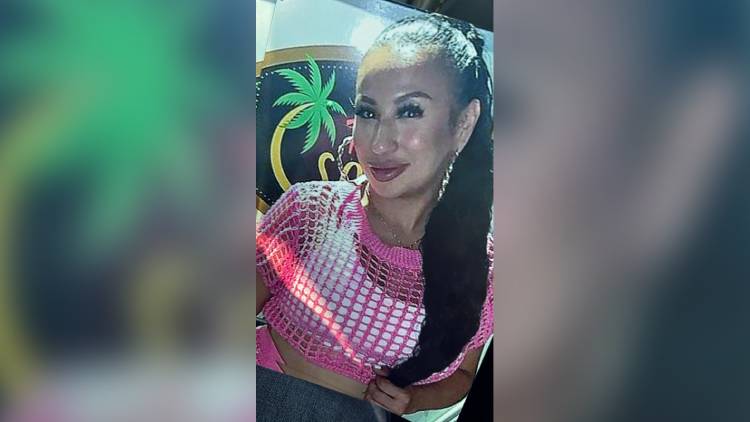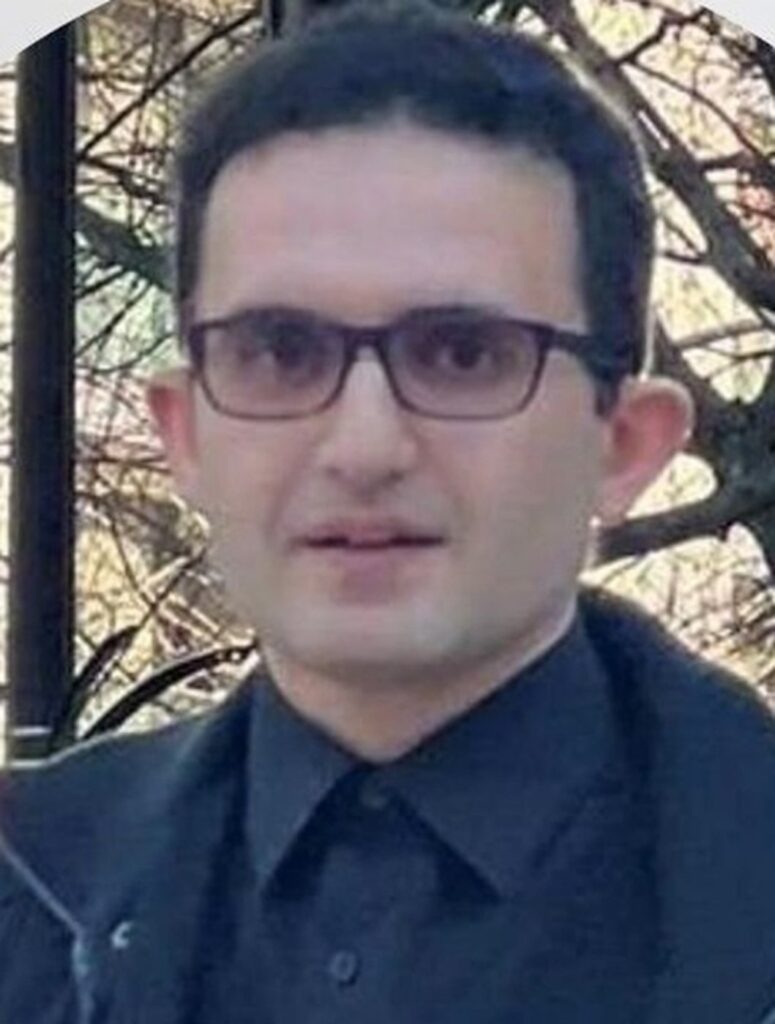
An Iranian dissident, Masood Masjoody, was found dead in British Columbia earlier this month, having previously accused two individuals, Arezou Soltani and Mehdi Ahmadzadeh Razavi, of aligning with Iran's government and attempting to acquire poison to kill him in the previous year. Masjoody's allegations were detailed in an affidavit obtained by The Canadian Press.
The affidavit revealed that Masjoody was warned by a member of a group associated with Soltani and Razavi that the pair were "seeking a substance with which to murder" him. According to Sergeant Freda Fong of the Integrated Homicide Investigation Team, the investigation indicates that Masjoody’s death, the cause of which has yet to be disclosed, was a “targeted” killing amidst ongoing disputes between him and the suspects.
In civil filings with the B.C. Supreme Court, Masjoody accused Soltani of having an "alignment" with the Iranian regime, while other legal documents indicated that Razavi exhibited "loyalty" to Iran’s intelligence services. Both suspects denied these claims during subsequent legal proceedings, which have not yet been tested in court.
Soltani and Razavi made a brief court appearance via video on Monday, where they confirmed their identities, while a judge imposed a publication ban on the evidence emerging from their bail hearing. Their next court appearance is scheduled for March 25.
In his November 12 affidavit, Masjoody identified a naturopath from British Columbia as the source of information regarding the alleged murder plot against him. The naturopath voiced her concerns to Masjoody about being named in his court filings, fearing potential retaliatory harm from Soltani and Razavi against her and her family.
Soltani, in an April 2025 affidavit, claimed she met Masjoody through the Iranian protest movement and attempted to support him with housing and other assistance. However, she stated that she and others chose to "distance ourselves" from Masjoody after learning about his alleged "multiple serious conflicts" with women. Soltani suggested that Masjoody's frustration with her stemmed from her distancing behavior, which led to him showing up at her home and workplace to serve various legal documents, alongside posting videos of these encounters on social media.
In response to Masjoody's civil actions, Razavi described himself as a victim of "harassment" by Masjoody. Homicide investigators confirmed that Masjoody was last seen in February, and his remains were subsequently discovered in Mission, B.C., on March 6.
Masjoody had filed multiple lawsuits in recent years, naming numerous parties, including Soltani, Razavi, and exiled former crown prince of Iran, Reza Pahlavi, alleging defamation and harassment. Court documents and Masjoody’s social media posts illustrate that while he was vocal in his criticisms of the Iranian regime, he also accused various members of the dissident community, including Pahlavi, of having connections or alignments with Iran's government and its Revolutionary Guards Corps.
Pahlavi, who is often discussed as a potential future leader of Iran, stated in an affidavit filed in November that he had no acquaintance with Masjoody, denied all allegations against him, and clarified that “Mehdi Ahmadzadeh” had no affiliation with him nor had acted on his behalf.
Additionally, the B.C. Court of Appeal had labeled Masjoody a "vexatious litigant" last year, underscoring the contentious nature of his legal entanglements.