WASHINGTON (AP) – Robert S. Mueller III, the former FBI director renowned for transforming the agency into a prominent counter-terrorism force after the September 11, 2001 attacks, has passed away at the age of 81. His family issued a statement on Saturday, expressing deep sadness and requesting privacy during this difficult time.
Mueller began his 12-year tenure as FBI director just one week before the September 11 attacks. Tasked with overhauling the FBI's mission, he shifted the agency's focus from domestic crime to terrorism prevention, which posed significant challenges and expectations for him and the entire federal government.
Following his time at the FBI, Mueller served as special counsel investigating potential ties between Russia and Donald Trump’s 2016 presidential campaign. A Princeton graduate and Vietnam War veteran, Mueller left a lucrative private sector job to continue his public service, representing a bygone era with his conservative, formal demeanor in a time characterized by social media and rapid change.
Trump's reaction to Mueller's death was starkly negative, expressing contentment over the news and suggesting that Mueller could no longer "hurt innocent people." The FBI has not yet responded to inquiries regarding Mueller's passing.
Mueller’s tenure as FBI director was marked by his response to the September 11 attacks. He implemented significant changes, including the shift of 2,000 agents from criminal investigations to national security responsibilities. His approach redefined the FBI's model, focusing on intelligence and preemptive action against terrorism rather than responding to crimes after they occurred.
Mueller’s FBI was not without its challenges. The agency faced criticism over its surveillance practices and the handling of interrogation techniques regarding suspected terrorists. Despite these difficulties, statistics indicate that the bureau successfully thwarted several terrorist plots during his directorship. Mueller also kept a neutral and nonpartisan reputation, notably resisting pressure during a confrontation with the Bush administration over a controversial surveillance program in 2004.
Mueller was appointed by Republican President George W. Bush and was later extended at the request of Democratic President Barack Obama, making him the second-longest-serving FBI director in history after J. Edgar Hoover. After leaving the FBI, he returned to public service as special counsel for the Russia investigation, lasting nearly two years and culminating in a comprehensive report that detailed substantial contacts between the Trump campaign and Russia, albeit without establishing criminal conspiracy.
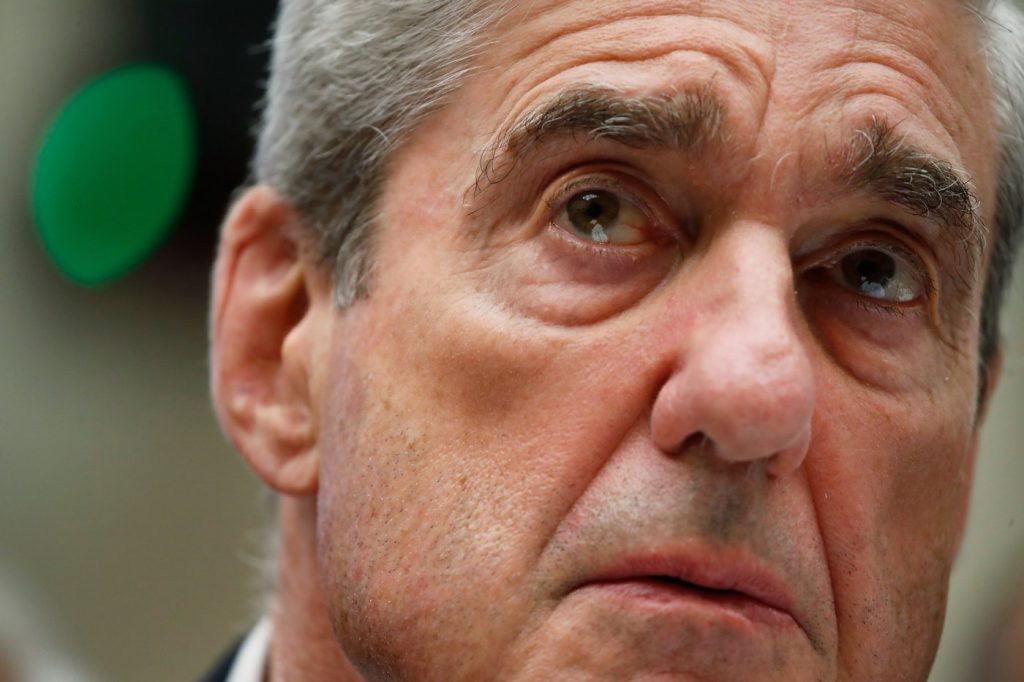
Mueller's report generated significant political debate, especially regarding its ambiguous conclusions about alleged obstruction of justice by Trump. Despite the investigation’s findings, it ultimately did not lead to impeachment proceedings, although it did fuel ongoing tensions in U.S. political discourse. His public testimony before Congress was anticipated but fell short of expectations, leading to criticism of his performance during questioning.
Mueller’s earlier life included a distinguished military career. Born in New York City, he served as a Marine in Vietnam and was decorated for his service with a Bronze Star and Purple Heart. His legal career spanned various roles, including federal prosecutor and director of the Justice Department's criminal division, where he oversaw high-profile cases against figures like Manuel Noriega and John Gotti.
Apropos of his dedication to public service, Mueller often engaged deeply with the details of cases personally, reflecting a commitment to understanding and addressing the threats facing the nation. This was evident even toward the end of his FBI directorship, where he expressed the weight and responsibility he felt in light of tragic events such as the Boston Marathon bombing and the Fort Hood shootings.
Throughout his career, Mueller earned a reputation for integrity, dedication, and professionalism, leaving a lasting legacy in American law enforcement and national security.