On Saturday, violence erupted in Ukraine as Russian and Ukrainian forces traded attacks, resulting in the deaths of at least four individuals. Officials reported that in the Ukrainian city of Zaporizhzhia, a Russian drone strike hit a residential house, claiming the lives of a man and a woman while injuring six others, including two children. Additionally, Russian strikes caused widespread power outages across much of the northern Ukrainian region of Chernihiv.
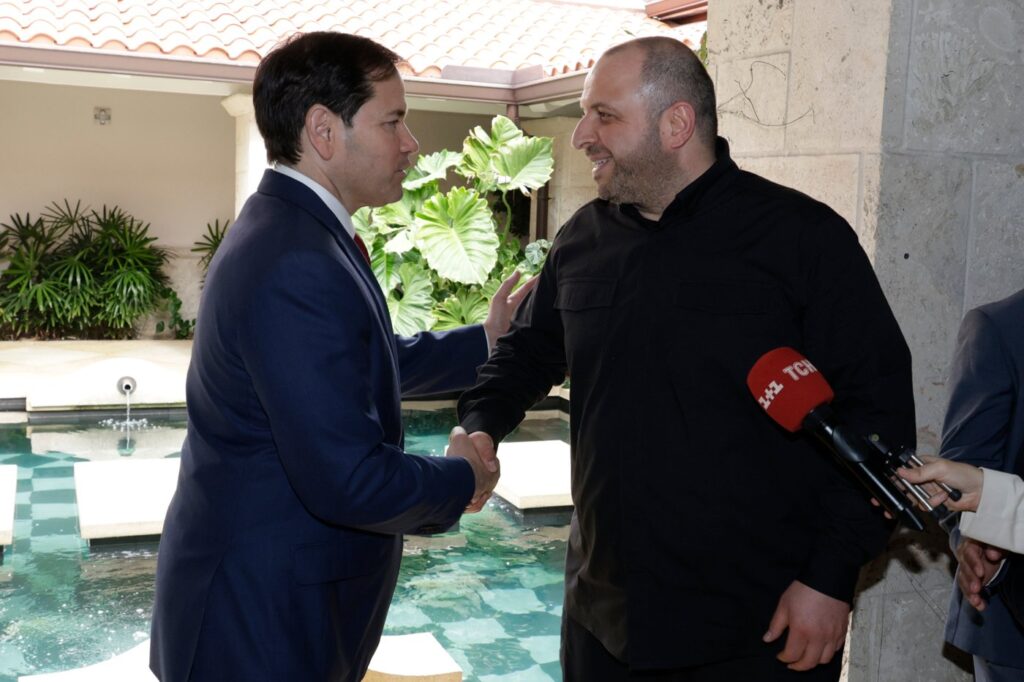
Meanwhile, in Russia's Belgorod border region, Ukrainian shelling resulted in the fatalities of two women and injuries to one other person, as announced by Governor Vyacheslav Gladkov. These exchanges of fire occurred just before a scheduled round of U.S.-Ukraine talks in Miami, aimed at addressing the ongoing conflict in the region.
U.S. Special Envoy Steve Witkoff characterized the upcoming meetings as "constructive," indicating a focus on narrowing issues to advance towards a comprehensive peace agreement. Notably, these discussions included prominent figures such as Jared Kushner, son-in-law of former U.S. President Donald Trump, highlighting the significance of the talks in mediating a resolution to the prolonged conflict.
Ukrainian President Volodymyr Zelenskyy revealed that he had dispatched a delegation to the U.S. in hopes of rejuvenating stalled U.S.-brokered negotiations to end Russia's invasion. The trilateral talks that have included Russia have seen little progress on critical issues, particularly as the recent conflict in the Middle East commanded international attention, diverting focus from Ukraine's ongoing plight.
Zelenskyy emphasized the importance of ensuring the trilateral discussions resume and sought to reaffirm that Washington would continue permitting other NATO nations to acquire American weapons for support in Ukraine's defense efforts. This call for sustained military support underscores Ukraine’s persistent challenges as they fend off Russian aggression.
Kremlin spokesman Dmitry Peskov hinted at the prospect of a new series of U.S.-mediated negotiations, suggesting that dialogue between Moscow and Kyiv may soon resume. However, throughout the past year, Western European officials have accused Russian President Vladimir Putin of stalling negotiations while attempting to leverage his military might to capture additional Ukrainian territory. Currently, Russian forces occupy nearly 20% of Ukraine.
Furthermore, the recent Middle Eastern conflict, which commenced on February 28 with Israeli and U.S. military actions against Iran, has overshadowed Ukraine's challenges on the global stage. During this time, Russia has found economic advantage through a temporary U.S. waiver on oil sanctions, while Ukraine is grappling with a dire financial situation, awaiting a 90-billion-euro ($103 billion) loan that the European Union has pledged.
As nations and international bodies seek to mediate peace, the ongoing hostility between Russia and Ukraine remains a focal point of concern, exacerbated by complex geopolitical dynamics and competing global issues. The situation underscores the urgent need for a resolution as the humanitarian impact of the conflict continues to unfold.