In recent weeks, officials across nearly a dozen regions in Russia have employed various excuses to block protests against internet censorship and restrictions on the popular messaging app Telegram. These justifications ranged from "tree inspections" to snow removal issues and lingering COVID-19 restrictions. As demonstrations have been stifled amid a broader crackdown on dissent following the invasion of Ukraine, activists are increasingly cautious, opting for smaller, indoor gatherings instead of larger, unauthorized rallies.
Activist Alexander Sustov from Russia's Primorye region noted that despite stricter laws, public discontent regarding the government’s restrictions on Telegram has not diminished. "Any ban only fuels that discontent," he pointed out, emphasizing that various political factions in Russia are united in their disapproval of the government's move against the second-most popular messaging app.
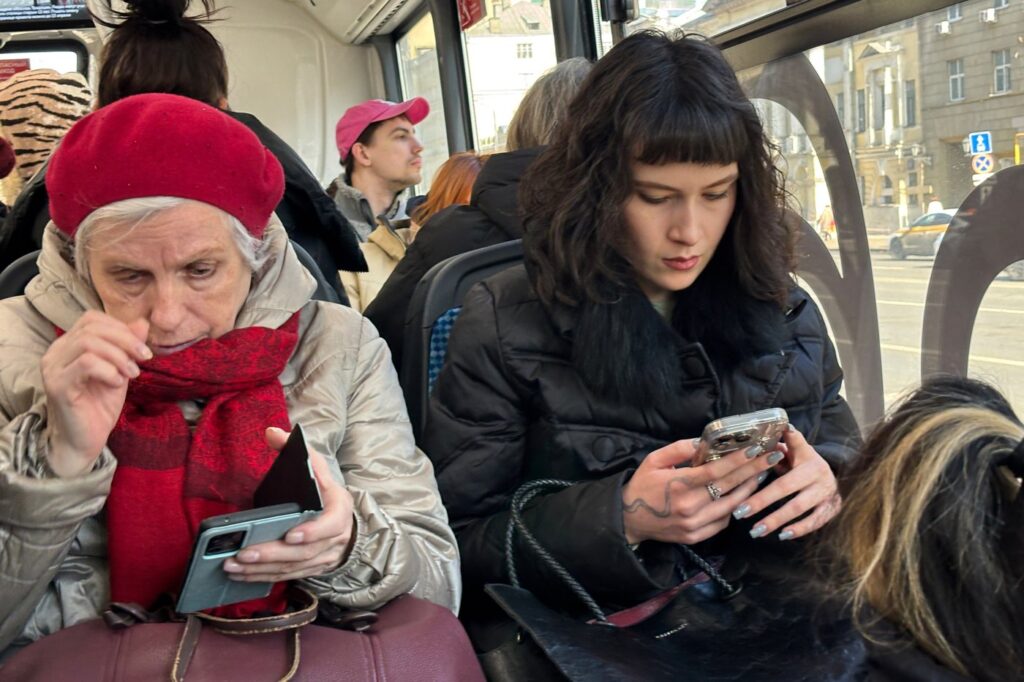
The Russian government’s efforts to suppress Telegram come as part of a broader strategy to exert control over the internet, which includes blocking thousands of websites and virtual private networks that help users bypass censorship. Telegram, with 93.6 million monthly users in Russia as of December 2025, plays a vital role in communication for both civilians and military personnel. The app has become essential not just for activists but also for government agencies and pro-Kremlin military bloggers.
In a recent shift, Russian authorities have encouraged users to switch to MAX, a government-sponsored messaging app criticized as a surveillance tool. Military bloggers and activists alike have voiced their concerns about the restrictions on Telegram, arguing that it is critical for communication among troops in Ukraine and for fundraising efforts to support the Russian military.
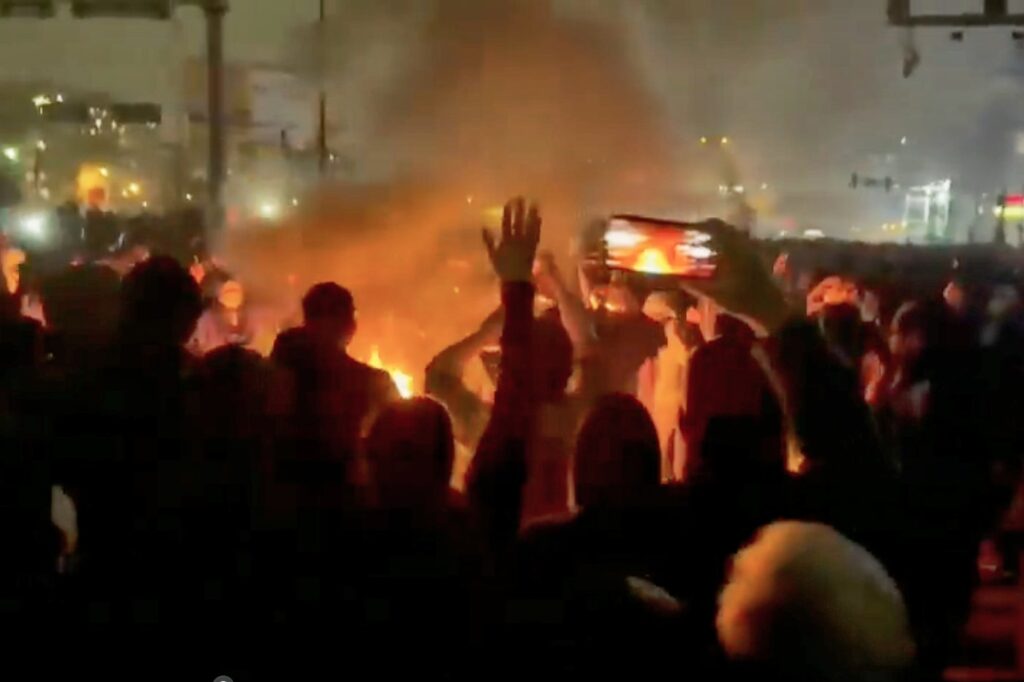
Public protests against these restrictions have emerged, reflecting widespread discontent that transcends the traditional political spectrum. For instance, members of the ultranationalist group Other Russia protested outside the Moscow office of state media regulator Roskomnadzor, demanding an internet free from government oversight. However, such demonstrations have frequently been met with arrests, and authorities have denied or canceled many protests at the last moment.
In Siberia's Altai region, the Communist Party attempted to hold rallies, only to be turned down by local officials claiming that allegations of internet suppression were inaccurate. Despite these challenges, some activists still managed to hold smaller gatherings with slogans advocating for free access to information, although they were often met with police presence and swift detentions. For example, in Novosibirsk, multiple participants were arrested during a protest planned for Telegram, which was disrupted by a fabricated "tree inspection."
Some regional protests, such as those concerning cattle culling and unpaid wages, continue to occur and sometimes receive official permission. Activist Anton Isakov successfully organized earlier protests against issues affecting everyday Russians, including the blocking of the online gaming platform Roblox. However, attempts to gather for pro-Telegram demonstrations have mostly resulted in rejection by the authorities.
Legal avenues are also being pursued by dissenters. Konstantin Larionov and a growing number of plaintiffs have filed lawsuits against Roskomnadzor, asserting that restrictions on Telegram and other apps violate their free speech rights. While the courts have consistently sided with the government, Larionov remains undeterred, planning to escalate his case to the Supreme Court.
As tensions continue to build over a variety of issues—ranging from internet access to rising living costs—it remains to be seen how Russian authorities will respond to the mounting dissatisfaction among the populace. Analysts like Abbas Gallyamov suggest that these protests may not be aimed at overthrowing the regime but serve to signify popular discontent with the current state of affairs. Such movements, while facing significant suppression, represent fissures in the stability of Putin's rule.