HAVANA (AP) – On Monday, Cuba made preparations to receive a sanctioned Russian tanker named the Anatoly Kolodkin, which is carrying approximately 730,000 barrels of oil. This marks the first fuel delivery to the island in 2023, amidst a significant U.S. oil blockade that has heavily impacted Cuba's economy.
This development came shortly after U.S. President Donald Trump stated that he had "no problem" with the delivery of the Russian tanker, raising questions about the U.S. stance on aid to Cuba amid ongoing sanctions.
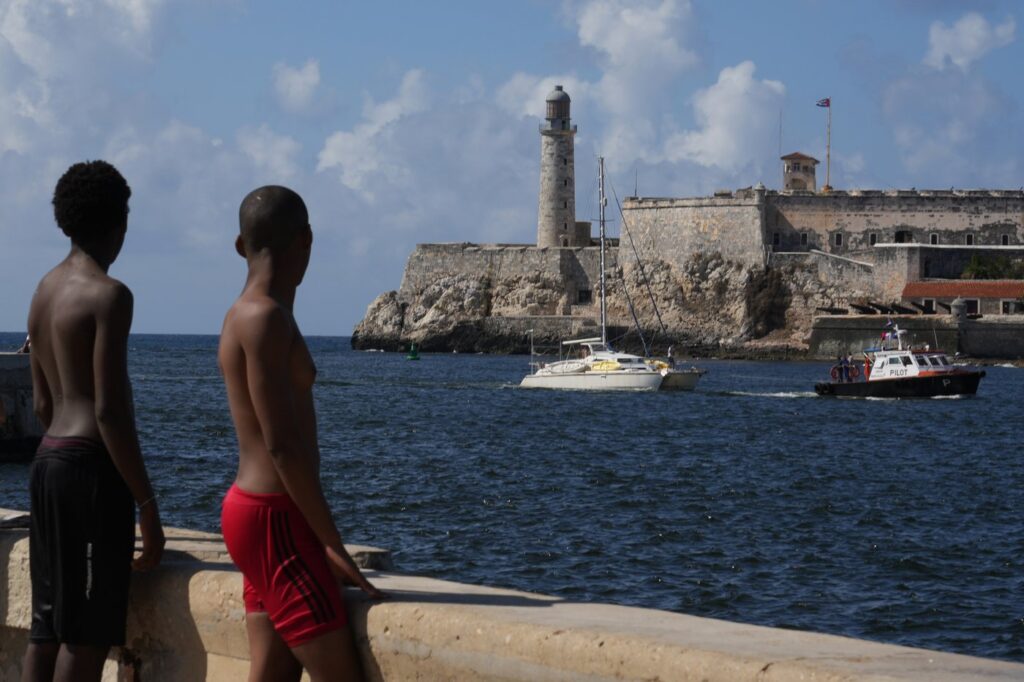
The current position of the tanker has been somewhat unclear; the Russian Transport Ministry reported that it had arrived, while a state television announcer indicated that it was still en route to the port of Matanzas, set to arrive within hours. This port is crucial for Cuba as it relies on imports to cover more than half of its fuel needs, producing only about 40% of its requirements domestically.
Kremlin spokesperson Dmitry Peskov commented on the situation, confirming that Russia had discussed the oil shipment with the U.S. and expressed a commitment to support its "Cuban friends." The anticipated delivery could supply roughly 180,000 barrels of diesel, potentially satisfying Cuba's daily needs for up to ten days.
When asked about Trump's decision to permit the Russian tanker while maintaining sanctions on vessels from other nations, White House press secretary Karoline Leavitt stated that such decisions would be made on a case-by-case basis for humanitarian reasons, clarifying that there had been no significant shift in U.S. sanctions policy.
The Trump administration has taken a notably aggressive approach towards Cuba, implementing measures that have effectively isolated the island from key oil shipments in an attempt to encourage regime change. This blockade has had dire consequences for Cuban civilians, despite the administration's claims of wanting to help. Critics point out that the policies have exacerbated conditions for the very people they aim to assist.
Years of crisis have led to widespread blackouts across Cuba, making everyday life challenging, including severe impacts on hospitals and public transport due to fuel shortages. In the past, Mexico had provided oil to Cuba as a gesture of solidarity, but it was compelled to halt these shipments due to the threat of U.S. tariffs. Mexico has since redirected its efforts toward providing humanitarian aid.
Regarding the oil situation, Mexican President Claudia Sheinbaum confirmed that her country would continue to support Cuba with aid and highlighted ongoing discussions with Cuban authorities to explore future oil trading possibilities. She noted that private Cuban entities, including hotels, are seeking fuel supplies and have approached Mexico's state-owned oil company for crude oil.
In a related note, the U.S. State Department announced an agreement with the Cuban government to supply fuel for generators at the U.S. Embassy in Havana, alleviating concerns that diplomatic staff might need to evacuate. The department emphasized that it had received assurances from the Cuban government to honor its obligations under the Vienna Convention regarding diplomatic operations, including the shipment of energy supplies.
This fuel shipment issue encapsulates a broader geopolitical struggle, with Cuba historically situated at the center of tensions between the U.S. and Russia. Trump reiterated that allowing the vessel to reach Cuba would not benefit Russian President Vladimir Putin, downplaying its significance by asserting that Cuba's situation remained unchanged, irrespective of any oil deliveries.
The U.S. alongside the European Union and the United Kingdom had imposed sanctions on various vessels, including the Anatoly Kolodkin, following Russia's invasion of Ukraine.