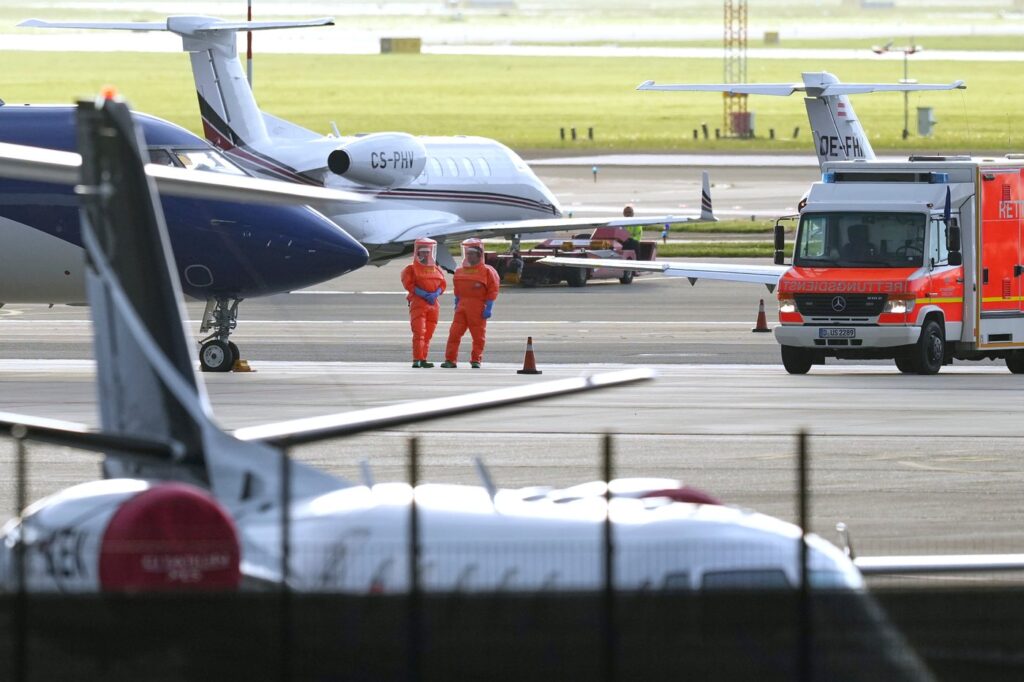
PRAIA, Cape Verde (AP) On Wednesday, three cruise ship passengers suspected of having hantavirus infections were flown to the Netherlands for treatment. The passengers were evacuated from the MV Hondius, the Dutch cruise ship at the center of the outbreak, which is currently en route to Spains Canary Islands. This situation arose after three individuals died due to the virus, and one body remains onboard.
Approximately 150 passengers on the ship are currently isolating in their cabins, although officials report that none of them are showing symptoms. The World Health Organization (WHO) stated that the global risk from this outbreak is low. According to the WHO’s top epidemic expert, it is important to note that "This is not the next COVID," as there have only been eight cases documented, with five confirmed through laboratory testing.
Hantavirus is a rare, rodent-borne illness primarily transmitted through inhalation of contaminated rodent droppings. It is suspected that the initial cases were contracted by a Dutch couple who came into contact with rodents during a bird-watching tour at a landfill shortly before boarding the cruise. The Argentine government has actively retraced the couple's travels, which included a journey through various provinces in Argentina before they boarded the cruise ship.
The symptoms of hantavirus infections typically begin with flu-like signs, such as fever, chills, muscle aches, and headaches. If the infection progresses, it can lead to severe respiratory issues or hemorrhagic fever, which can cause bleeding and potential kidney failure. Mortality rates for hantavirus pulmonary syndrome can reach approximately 35%, while the death rates for hemorrhagic fever vary between 1% to 15% according to the CDC.
In the aftermath of the outbreak, two British passengers who departed the ship before the outbreak are now self-isolating. Health authorities in the UK have identified a small number of contacts for further monitoring. As of now, no reports confirm symptoms among those individuals. A total of 19 British nationals and four crew members are expected to be repatriated once the ship docks in the Canary Islands without any presenting symptoms.
The couple who was the first confirmed cases traveled extensively throughout Argentina for weeks prior to boarding the cruise. The health ministry expressed concerns that variations in local climates may contribute to the spread of the virus, noting that Tierra del Fuego had never recorded a hantavirus case previously.
Meanwhile, a German national aboard the ship is being transferred to a specialized hospital in Germany, despite currently being asymptomatic. Two patients from the MV Hondius have been evacuated, one of whom has been taken to Leiden University Medical Center in the Netherlands. Both patients were seen covered in protective suits during their transfer at Amsterdams Schiphol Airport.
Onboard passengers have reported mixed reactions to the crisis, with one passenger noting that morale remains high, with activities such as reading and watching movies keeping them occupied as they await further instructions from health authorities.
The Dutch government is actively assessing the situation in collaboration with the WHO and the ship's operators to ensure appropriate handling. Medical resources have been increased on board as the ship prepares to continue its journey, with additional infectious disease specialists dispatched to assist if necessary.
There is currently no specific treatment for hantavirus, but early medical intervention can improve survival chances. Continued research has yet to fully uncover why the virus can manifest differently among infected individuals. Public health experts stress that avoiding contact with rodents and potentially contaminated areas is crucial in minimizing risk of exposure.
The cruise ship MV Hondius will be received in Spain's Canary Islands, and authorities are prepared for its arrival. Public health officials have assured that the vessel poses no risk to the population. The ongoing investigation into the patients and their connections continues as health agencies work to trace potential exposures in locations impacted by recently affected passengers.