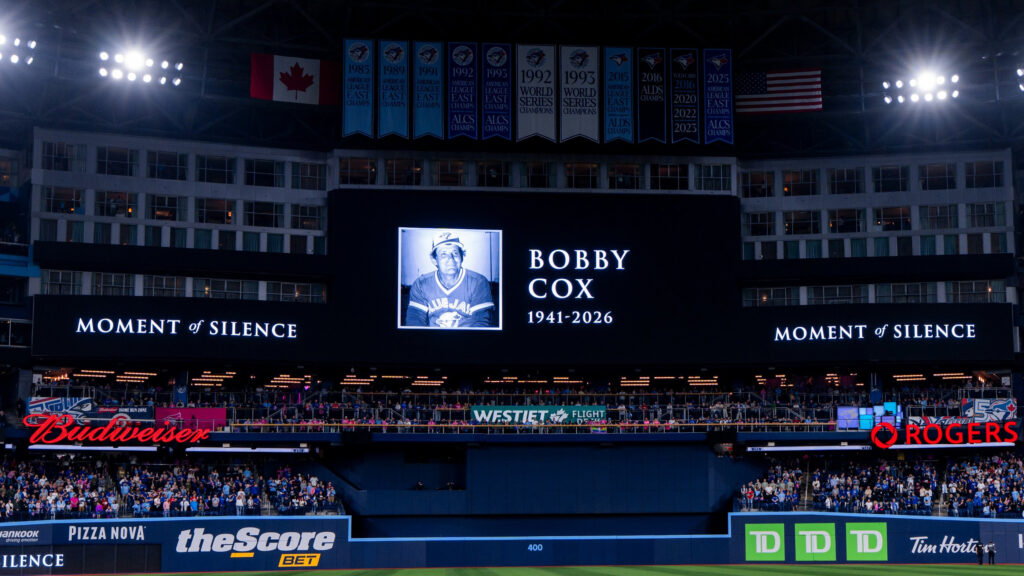
ATLANTA (AP) — Bobby Cox, the beloved and folksy manager of the Atlanta Braves, whose teams dominated the National League during the 1990s and brought Atlanta its first major professional sports title, passed away on Saturday at the age of 84. Cox died in Marietta, Georgia, after battling health issues including a stroke in 2019 and complications related to heart problems.
The Atlanta Braves paid tribute to Cox, stating, “Bobby was the best manager to ever wear a Braves uniform. He led our team to 14 straight division titles, five National League pennants, and the unforgettable World Series title in 1995. His Braves managerial legacy will never be matched.”
Cox took the reins as manager in June 1990, leading the Braves from last place to a worst-to-first finish in 1991, although the team fell short in the World Series against the Minnesota Twins after seven games. This marked the beginning of an impressive run that included a record-setting 14 consecutive division titles, a feat unmatched in professional sports history.
During his 25 years as Braves manager, Cox not only led Atlanta to its inaugural World Series Championship in 1995, but also secured a place in the Hall of Fame in 2014, following his retirement after the 2010 season.
Cox's managerial statistics are remarkable; he ranks fourth all-time with 2,504 wins and first with 15 division titles, including an unprecedented 14 consecutive championships. He also made 16 playoff appearances, achieving a total of 67 playoff victories — placing him fourth in that category as well.
Walt Weiss, the current Atlanta manager, fondly recounted Cox's dedication, noting, “He was the first one to the park every day…He’d have his spikes on at 12 o'clock. I never saw a manager wear spikes, but that was one of Bobby’s trademarks.” Weiss acknowledged Cox's enduring legacy and the unique qualities he brought to the game.
Only days before his death, the baseball community mourned the loss of fellow Atlanta icon Ted Turner, who was instrumental in bringing Cox back to the Braves in 1990. The Braves honored Cox by retiring his No. 6 jersey in 2011 and inducting him into the team’s Hall of Fame.
Many former players expressed their grief and admiration following his passing. Andruw Jones, a 10-time Gold Glove winner who played under Cox, shared an emotional tribute on social media, calling him “my second father.”
Cox’s unique management style combined an old-school approach with an undeniable frankness that endeared him to his players. Hall of Fame pitcher Greg Maddux reflected on the respect Cox commanded, stating, “When Bobby talked, we listened. We wanted to play for him.” He also holds the record for the most ejections, having been tossed from 158 regular-season games.
Despite achieving numerous regular-season accolades, Cox faced criticism for his team's struggles in the World Series, having only captured one title in five attempts. Cox's 1995 victory against the Cleveland Indians gave the Braves their first major championship in Atlanta, but subsequent World Series losses in 1992, 1996, and 1999 overshadowed the team’s successes in many fans' eyes. Addressing this, Cox remarked on the unpredictable nature of postseason play: “It’s a game of breaks when you get down to a four-game, must-win series.”
Bobby Cox was born on May 21, 1941, in Tulsa, Oklahoma, and went on to play in the majors for the Los Angeles Dodgers and the New York Yankees before his managerial career began. After a brief playing career, Cox transitioned into management, starting with the Braves in 1978 before moving to the Toronto Blue Jays, where he achieved notable success.
Cox returned to the Braves as a field manager in 1990 after serving as general manager under Turner, where his influence helped groom a future roster that included exceptional talent, such as Tom Glavine, John Smoltz, and Chipper Jones. Braves first baseman Freddie Freeman, who played under Cox, recounted how Cox nurtured young talent, providing them invaluable experiences during their formative years.
Known for his humility and down-to-earth demeanor, Cox often shied away from the limelight, stating, “Honestly, I’m just doing my job. I let everything else fall where it may.” His passing leaves a significant mark on baseball and the community that adored him.