Scaled-Down Victory Day Celebrations in Russia Reflect Security Concerns Amidst Ukraine War
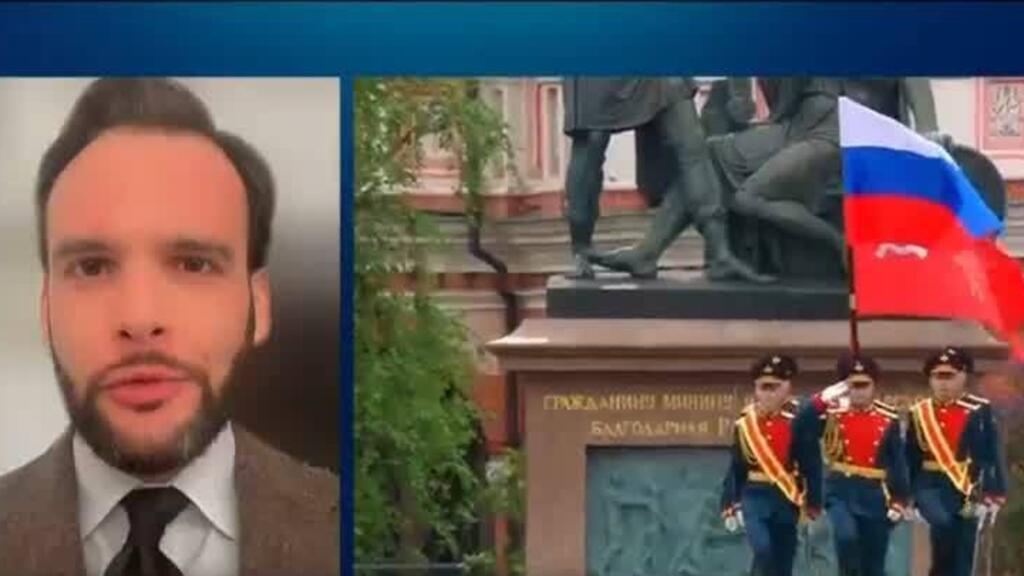
Russia's recent Victory Day celebrations, traditionally a grand showcase of military might and national pride, were notably subdued this year, reflecting the increasing security anxieties stemming from the ongoing conflict in Ukraine. Analyst Grégoire Roos from Chatham House remarked that the changes to the annual observance underscore the heightened risk environment, which has shifted the focus from national celebration to an urgent need for security.
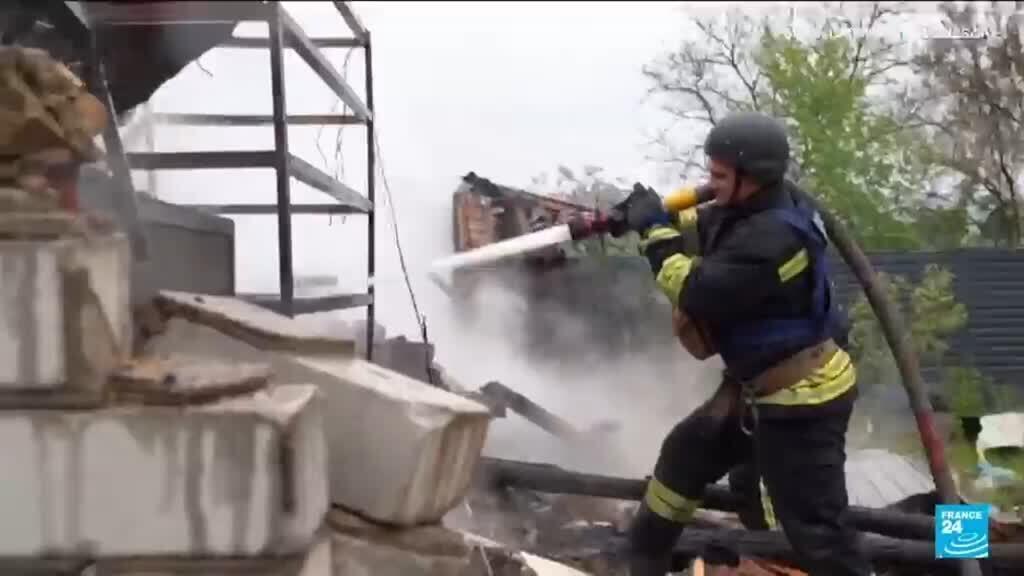
The Victory Day, held on May 9th, commemorates the Soviet Union's victory over Nazi Germany in World War II. However, this year's event was marked by tighter security measures that were indicative of a country grappling with the realities of war. Roos highlighted that the atmosphere felt more akin to "wartime protection" rather than a celebration of historical triumph. This shift is largely in response to the rising fears of potential drone strikes from Ukraine, which have led to increased vigilance and precautionary measures in major cities, especially Moscow.
In addition to the physical security measures, there were also significant restrictions on internet access during the celebrations. Such measures are indicative of the Kremlin's efforts to control the narrative and limit any dissent that could arise in the face of the ongoing conflict. The decision to implement internet shutdowns during this time suggests a growing concern about the dissemination of information and the potential for protests or civil unrest to emerge, which could undermine the state’s portrayal of stability and unity.
Despite these heightened security measures and the less festive atmosphere surrounding the celebrations, President Vladimir Putin continues to enjoy broad public support. This support is particularly significant as it reflects the complicated dynamics within Russian society regarding the war in Ukraine and the overall geopolitical climate. Roos noted that the Kremlin's messaging still resonates with a considerable segment of the population, who may view the events of Ukraine through the lens of national security and patriotism, rather than as a cause for criticism.
The dramatization of security concerns during the Victory Day observance points to a broader narrative that the Russian government is attempting to construct in light of the ongoing conflict. By emphasizing the need for security and the threats posed by Ukraine, authorities are framing the situation in a way that arguably consolidates power and justifies ongoing military actions. This tactic aligns with a historical context where national pride often interlaces with narratives of existential threats, allowing the government to galvanize public support even amidst adversity.
Overall, the subdued nature of this year’s Victory Day celebrations serves as a barometer for not just the state of Russia’s military engagements but also reflects the societal mood and the government's strategy in navigating a complex landscape of internal and external pressures. The implications of these changes could have lasting effects on public perception and the political landscape moving forward as the war in Ukraine continues to unfold.