MADISON, Wis. (AP) — The Trump administration is reportedly urging national park, refuge, and wilderness area managers to reduce existing hunting restrictions, which raises concerns regarding visitor safety and wildlife conservation. U.S. Department of the Interior Secretary Doug Burgum issued a directive in January mandating various agencies to eliminate what he described as “unnecessary regulatory or administrative barriers” to hunting and fishing on federal lands, and to justify the necessity of any regulations they wish to maintain.
Burgum's statement emphasized the importance of expanding hunting and fishing opportunities on Department-managed lands as a means to enhance conservation outcomes, boost rural economies, promote public health, and improve access to outdoor spaces across America. He declared that federally managed lands should primarily be open to hunting and fishing, except where specific, documented, and legally supported exceptions are in place.
The order affects 55 locations across the contiguous United States under the jurisdiction of the National Park Service. Following the directive, several park managers have already lifted certain prohibitions, such as those against using hunting stands that damage trees, training hunting dogs, utilizing vehicles for retrieving animals, and hunting along established trails. Reports indicate that changes to regulations are already underway at various sites, according to a review conducted by the National Parks Conservation Association (NPCA).
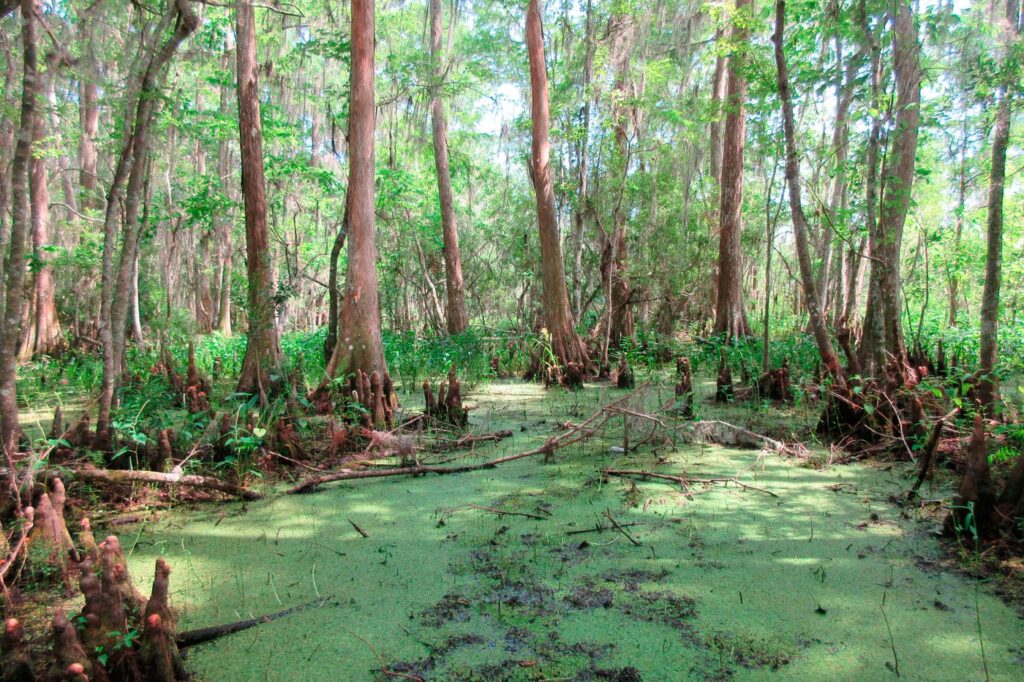
For instance, the hunting season at the Cape Cod National Seashore in Massachusetts is set to be extended into spring and summer, while hunters in the Lake Meredith National Recreation Area in Texas will now be permitted to clean their kills in bathrooms. Moreover, hunters will gain the ability to hunt alligators in the Jean Lafitte National Historical Park and Preserve located in Louisiana.
Burgum's order arrives at a time when hunting participation is declining, amid increasing urbanization. As of 2024, only about 4.2% of the U.S. population over the age of 16 identified themselves as hunters, according to data from the U.S. Fish and Wildlife Service and the U.S. Census. This declining trend has financial implications for state wildlife agencies, as they face shortages in revenue from hunting license sales and excise taxes on firearms and ammunition.
To combat this decline, hunting advocates and conservative policymakers have been exploring various strategies aimed at sustaining the sport. These include initiatives to promote hunting among women and younger generations, creating more hunting seasons for different species, and expanding access to public lands.
It is noteworthy that hunting is currently permitted across approximately 51 million acres managed by the National Park Service, which encompasses 76 sites; however, only about 8 million of those acres are located within the lower 48 states, while the remaining territories are found in Alaska. Fishing is allowed in 213 sites, and National Park Service sites generally follow state hunting and fishing regulations, although they can implement additional restrictions for public safety and conservation purposes.
Dan Wenk, a former superintendent of Yellowstone National Park and deputy operations director for the National Park Service, expressed concern over the lack of public discussion surrounding the administration's regulatory changes. Wenk remarked that park managers typically established regulations through stakeholder engagement and that widely accepted restrictions shouldn’t be overturned without significant justification. He echoed a common sentiment among critics of the order, questioning the problems it seeks to address and suggesting that the modifications might pose risks to visitor safety and wildlife.
In response, Interior Department spokesperson Elizabeth Peace characterized the order as a “commonsense approach to public land management.” She assured that all necessary public safety measures and resource protection initiatives would remain in effect, while also noting the longstanding role of sportsmen and women as stewards of public lands.
Hunting organizations have largely welcomed the order. The Theodore Roosevelt Conservation Partnership issued a statement recognizing it as a balanced approach to wildlife management and outdoor traditions that hunters and anglers champion. Ducks Unlimited also praised the directive, asserting it acknowledges the critical role of duck hunters in conservation efforts. They commended Secretary Burgum for prioritizing access for America’s hunters and anglers.
However, Elaine Leslie, former head of the National Park Service’s biological resources department, criticized the order as undermining established, science-based management practices. She expressed concern over the implications of increased hunting access for safety and resource degradation, stating that there is appropriate timing and location for hunting, which shouldn't compromise the experiences of other visitors to national parks.