FREDERICTON In response to a recent series of RCMP raids across Ontario, New Brunswick, and Nova Scotia, Keith Chiasson, New Brunswick's Indigenous Affairs Minister, remains optimistic regarding ongoing negotiations with First Nations aimed at enhancing regulations over cannabis sales. The April 26 operations were part of a larger effort targeting a transnational organized crime network, including a police search of an unlicensed warehouse in New Brunswick.
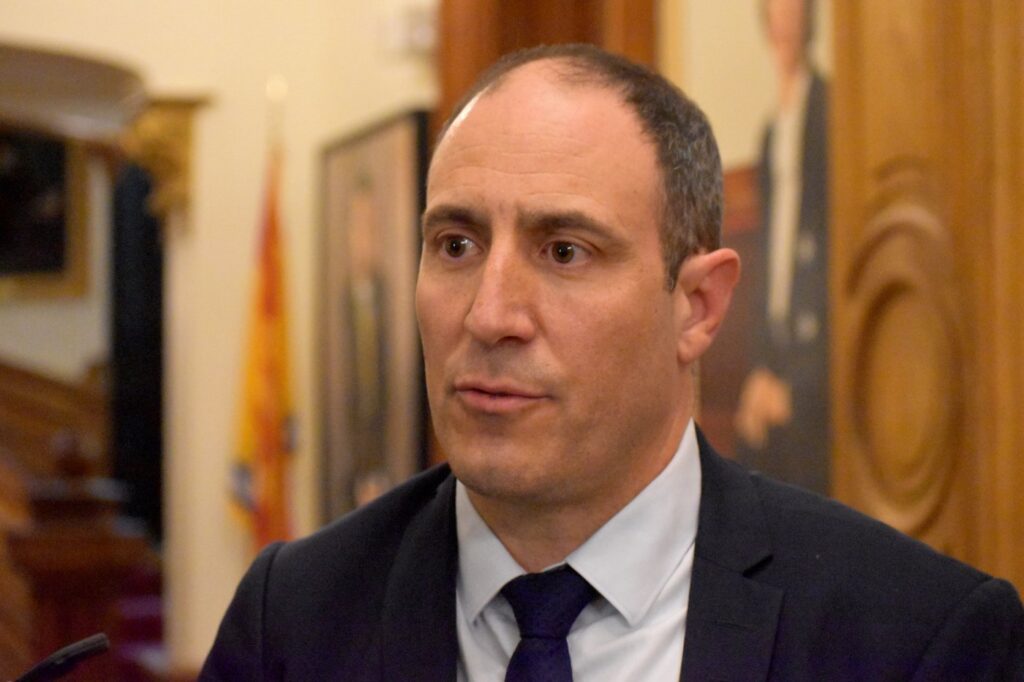
Despite the raids, Chiasson emphasized that the provincial government has been actively negotiating with First Nations for six months and anticipates that these discussions will persist. "This is not going to hamper any discussions between the provincial government and First Nations," he stated during a press conference in Fredericton, reinforcing the commitment to establish a regulatory framework that benefits all parties involved while providing safe and regulated cannabis products to the public.
During a pre-raid visit to the warehouse in March, Chiasson, alongside Luke Randall, the minister responsible for Cannabis NB, aimed to foster closer ties with the Madawaska First Nation. The RCMP stated that the investigation spans various allegations, including organized crime, drug trafficking, and money laundering. However, they have refrained from providing specifics about the individuals or entities linked to the targeted locations, citing the ongoing investigation.
Comments from law enforcement during the raids align with previous remarks from Nova Scotia officials, who last December directed police to intensify their efforts against illegal cannabis shops suspected of criminal connections. This has ignited criticism from First Nations leaders, who claim that such actions amount to government interference aimed at disproportionately impacting Indigenous communities. Nova Scotia's Justice Minister, Scott Armstrong, expressed strong support for police operations, insisting that law enforcement has the government's "full backing."
Police reports confirm that two locations were raided in Lower Sackville and one in Maitland, with further actions occurring in Hamilton, Ontario. The April initiative builds on a series of earlier raids in Nova Scotia that sparked protests, some leading to temporary blockades affecting traffic flow on highways.
While the New Brunswick government is committed to pursuing negotiations with Indigenous communities, First Nations leaders in Nova Scotia argue that Premier Tim Houston's administration has not engaged in meaningful dialogue regarding cannabis regulations. Several Mi'kmaq leaders believe they hold treaty rights to cultivate and sell unregulated cannabis, a claim the government vehemently disputes.
Regulatory frameworks for cannabis vary between New Brunswick and Nova Scotia. Both provinces have established pot regulators operating under the federal Cannabis Act, ensuring all products undergo testing by accredited laboratories for safety before reaching consumers. However, New Brunswick allows a mix of Cannabis NB's exclusive retail outlets and independent stores under regulatory oversight, whereas Nova Scotia restricts cannabis sales exclusively to the Nova Scotia Liquor Corporation (NSLC). Armstrong has mentioned consultations with several First Nations showing interest in developing NSLC stores on their lands to facilitate safe cannabis sales.
In summary, Chiasson and his New Brunswick counterparts are dedicated to facilitating dialogues with Indigenous communities regarding cannabis regulations, aiming to establish a framework that ensures safety and adheres to legal standards. Meanwhile, tensions remain in Nova Scotia, where First Nations leaders express dissatisfaction over the lack of genuine engagement from the provincial government concerning their rights related to cannabis.