Seasonal models have forecasted an impending El Niño climate pattern that could potentially be the strongest on record, leading to an increase in extreme weather events globally. Jeff Berardelli, Chief Meteorologist and Climate Specialist at WFLA-TV in Tampa, Florida, expressed his concern that we might witness unprecedented weather phenomena in modern history.
An El Niño event is anticipated to develop by mid-2023, significantly affecting global temperature and precipitation patterns, according to the World Meteorological Organization (WMO). While the models indicate the likelihood of a robust El Niño, the WMO has noted that forecasts may not be as accurate during the springtime due to variability.
El Niño refers to a cyclical, natural warming of sections of the equatorial Pacific that disrupts global weather patterns. Its counterpart, La Niña, is characterized by cooler-than-average ocean waters. Berardelli explained that El Niño events effectively redistribute Earth's heat. Currently, warm subsurface waters in the Pacific are migrating eastward and rising to the surface, marking the initial stages of an El Niño.
The WMO's Global Seasonal Climate Update has reported a rapid increase in sea-surface temperatures, demonstrating strong confidence in the onset of El Niño, with expectations of further intensification in the upcoming months, according to Wilfran Moufouma Okia, WMO's Chief of Climate Prediction. Typically, El Niño cycles occur every two to seven years and last from nine to twelve months, as noted by the WMO.
Experts have expressed alarm due to the sheer volume and intensity of the warm water anomalies in the Pacific, with California Institute for Water Resources climate scientist Daniel Swain pointing out that these pulses are among the largest recorded. The most severe events are classified as "super El Niños." He emphasized that while the current conditions are promising for a significant event, uncertainty remains about its ultimate development.
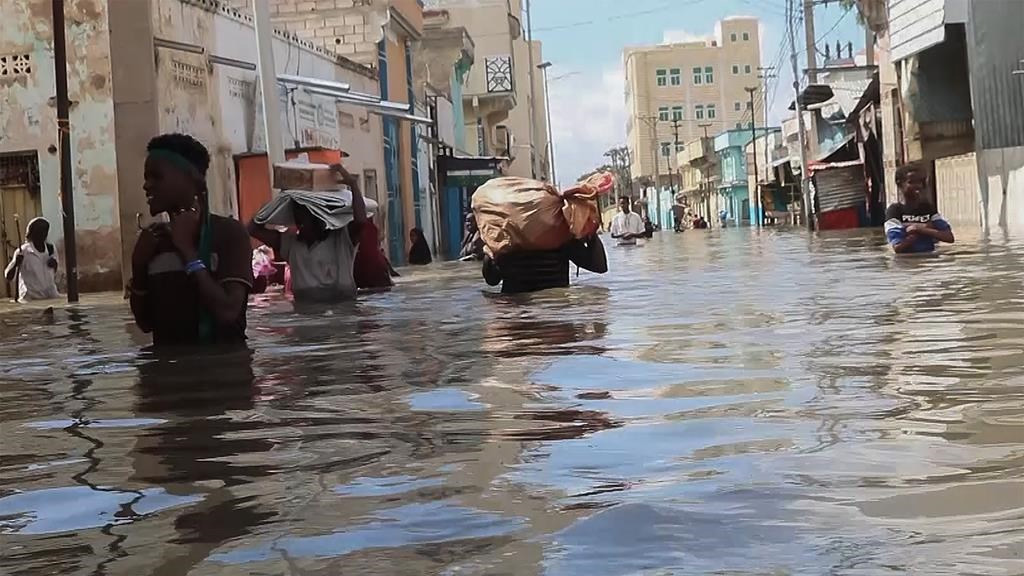
According to Berardelli, if the Pacific Ocean releases substantial heat, it could heavily influence the climate system, leading to devastating weather impacts. This influx of heat may result in more intense heat waves, exacerbated droughts in some regions, and increased moisture that could trigger intense flooding. Furthermore, El Niño tends to suppress the Atlantic hurricane season, allocating excessive heat to the Pacific, which diminishes tropical activity in areas like the Caribbean.
The implications of El Niño are felt globally. Berardelli predicts that the summer across the United States will likely experience higher-than-normal temperatures and frequent heat waves. While specific predictions remain challenging at this stage, he foresees an uptick in daily thunderstorms, particularly in the Southwest region of the U.S. The ongoing climate situation could worsen forest degradation throughout the Amazon, with wildfires and logging affecting approximately 40% of the area. This deterioration could be amplified if a strong El Niño occurs in 2026.
Swain stated that the excess heat brought to the ocean's surface by the developing El Niño, combined with ongoing climate change, is expected to lead to record-high global temperatures this year and potentially into the next. He underscored that the forthcoming year could be chaotic in terms of global climate dynamics.
Michael Mann, a climate scientist from the University of Pennsylvania, noted that while El Niño temporarily elevates global temperatures, it essentially balances out through oscillation back to La Niña, which tends to lower temperatures for a brief period. The greater concern lies in the long-term trend of rising global temperatures fueled by ongoing fossil fuel consumption.