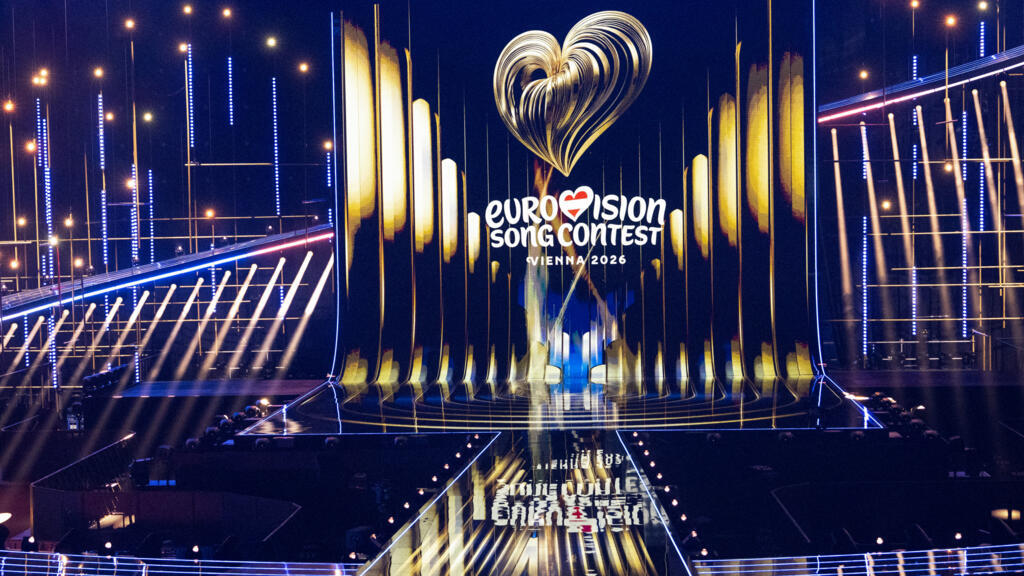
Eurovision Song Contest Faces Historic Boycott Amid 70th Anniversary Celebrations
The Eurovision Song Contest, celebrating its 70th anniversary this year, is embroiled in controversy as it faces its largest boycott in history due to ongoing debates surrounding Israel's participation. The event, which has become one of the most popular television spectacles in Europe, will take place in May 2024, drawing attention from millions of viewers across the continent.
While Eurovision is typically a platform for cultural exchange and musical diversity, this year’s celebrations are marred by political tensions stemming from Israel’s inclusion in the competition. Critics argue that Israel's involvement is inconsistent with the principles of diversity and inclusion that Eurovision promotes. The ongoing Israel-Palestine conflict has sparked protests and calls for boycotts from various artists, activists, and organizations, citing human rights concerns and advocating for Palestinian rights.
Notably, several prominent artists have expressed their intention to refrain from participating in the contest, joining a growing list of individuals and groups rallying against the event's controversial host nation. This sentiment has gained traction particularly after the International Campaign for Boycott, Divestment, and Sanctions (BDS) movement called for a boycott of the Eurovision Song Contest as long as it is held in Israel. The BDS movement has garnered support from a diverse coalition of influencers, musicians, and social justice advocates, emphasizing the ethical implications of engaging with the Israeli government in the context of its policies towards Palestinians.
As anticipation builds for Eurovision 2024, the challenge lies in navigating these political tensions while maintaining the event's celebratory spirit. Organizers are under pressure to address concerns around inclusivity and representation, aiming to uphold the integrity of the competition while also acknowledging the broader socio-political context in which it exists. The conflict has prompted discussions within the European Broadcasting Union (EBU), the organization responsible for Eurovision, about how best to manage the participation of countries embroiled in political controversies.
Historically, Eurovision has served as a unifying force, bringing together countries from all over Europe – and beyond – through the medium of music. Despite its origins as a light-hearted contest, it has often found itself at the crossroads of politics and culture. In recent years, incidents involving political statements and conflicts related to participating countries have intensified, reflecting the broader geopolitical climate. This year's edition, coinciding with such a significant milestone, only amplifies the stakes involved.
The upcoming contest also marks a pivotal moment for the participating nations, as the interplay between culture and politics takes center stage. With countries like Sweden, Italy, and Ukraine, each bringing their unique musical styles and cultural narratives, the potential for an enriching experience is present. However, the overshadowing boycott raises critical questions regarding the legitimacy and ethical responsibility of engaging with an event where political implications are significant.
In conclusion, the Eurovision Song Contest's 70th anniversary stands not only as a celebration of music and culture but also as a reflection of the complex interplay between artistry and activism. As the competition approaches, the question remains whether it can overcome the tensions and divide that threaten to inhibit its spirit, while simultaneously addressing the pressing human rights issues at the heart of the controversy.