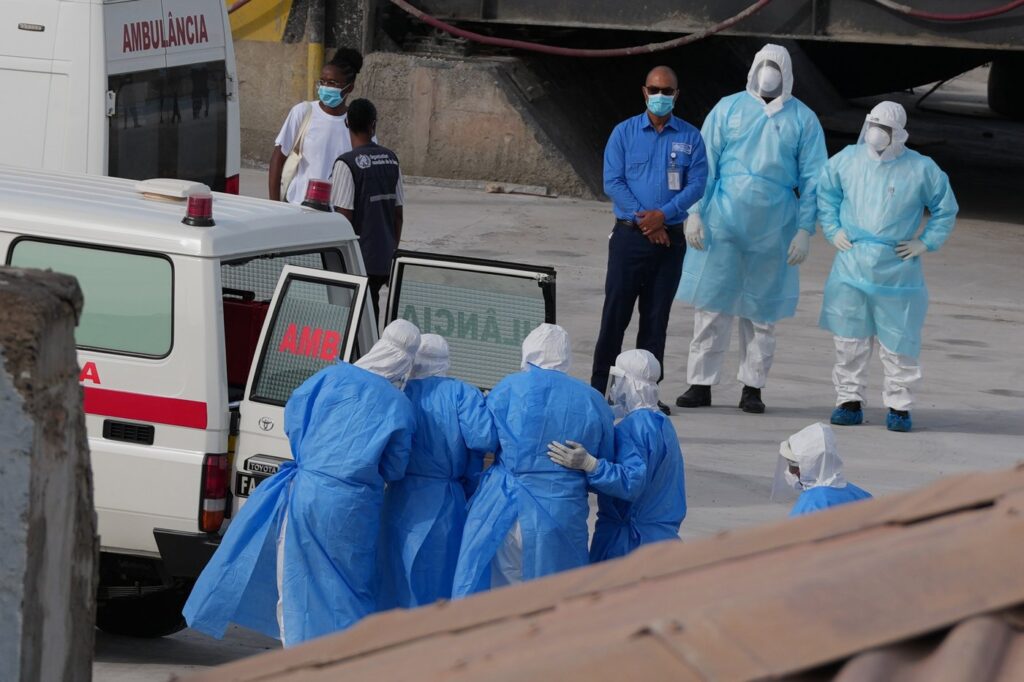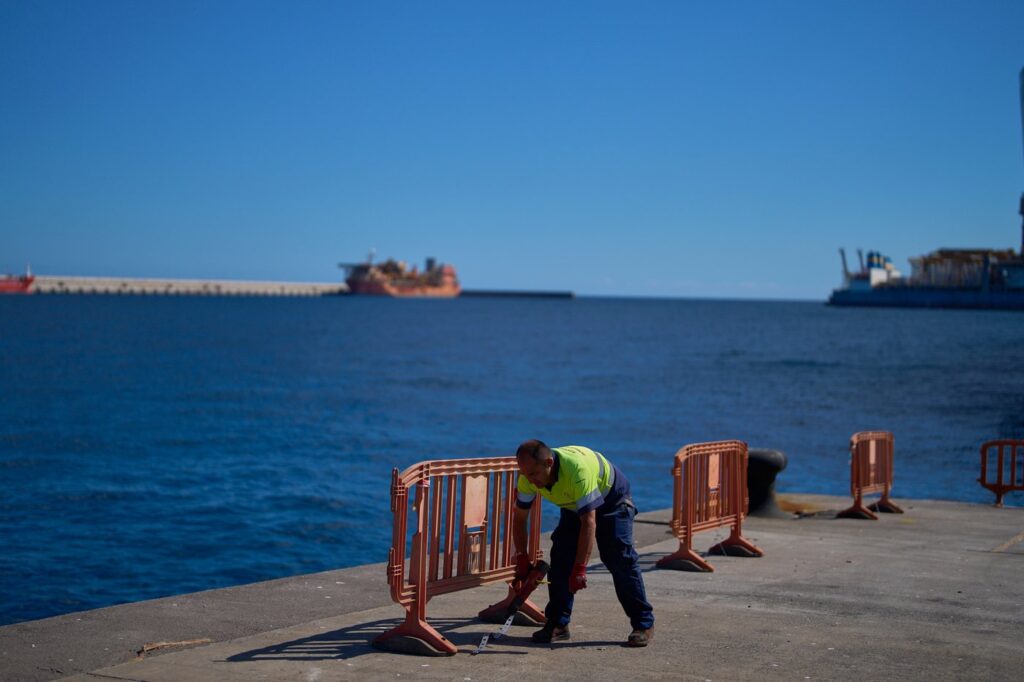
After a month-long voyage and days of quarantine, remaining Canadians aboard the MV Hondius cruise ship, which has been linked to a serious hantavirus outbreak, are preparing for their return home. Oceanwide Expeditions, the ship's owner, stated that four Canadians and approximately 130 other asymptomatic passengers will disembark in small groups at a port in Tenerife, in Spain’s Canary Islands, at approximately 2 a.m. EDT. The Dutch vessel is scheduled to dock a few hours earlier, around 11:30 a.m. EDT on Saturday.
Once the passengers have safely disembarked, the MV Hondius will spend five days returning to the Netherlands with the remaining crew members still onboard. Oceanwide Expeditions announced that representatives from various organizations, including the World Health Organization (WHO), will be present at the port to screen passengers upon arrival.
The travel company emphasized that, in accordance with WHO guidelines and in coordination with international bodies and governments, passengers will be flown to their respective countries, where they will follow national quarantine protocols as directed by their authorities.
Although Global Affairs Canada and the Public Health Agency of Canada did not provide an immediate response regarding the situation, Oceanwide Expeditions previously mentioned a positive atmosphere onboard the ship. According to their statement, “Guests and crew continue to follow the guidance of onboard medical personnel, and medical monitoring continues.”
A number of Canadians have been associated with the hantavirus outbreak on the vessel, which set sail towards Antarctica from Argentina on April 1. It made several stops at remote islands in the South Atlantic. At least six Canadians were onboard the cruise ship, while others, including two individuals from Alberta and one from Quebec, may have been exposed to the virus through a flight contact with someone displaying hantavirus symptoms.
Out of the six Canadian passengers, two disembarked on the isolated island of St. Helena on April 24, prior to the WHO identifying the outbreak on May 2. These two individuals from Ontario are reported to be asymptomatic and have entered self-isolation. Meanwhile, three non-Canadian passengers from the ship have succumbed to the virus, while five others, who have already departed the ship, are confirmed cases of hantavirus infection.
The outbreak has affected morale among passengers, many of whom have expressed feelings of fear and isolation. Negative sentiments have also been expressed on social media, with passengers encountering hateful messages related to the outbreak. A Spanish passenger lamented the intense scrutiny saying, “You go onto social media — they want to dynamite the boat. They want to sink the boat.”
In response to public concerns, WHO officials have been working diligently to clarify misconceptions surrounding the hantavirus outbreak, distinguishing it from the COVID-19 pandemic. The WHO's Director-General, Tedros Adhanom Ghebreyesus, reassured both the public and citizens of Tenerife, some of whom were anxious about potential virus transmission following the ship's evacuation. He stated, “I know that when you hear the word ‘outbreak’ and watch a ship sail toward your shores, memories surface that none of us have fully put to rest… But I need you to hear me clearly: this is not another COVID. The current public health risk from hantavirus remains low.”
Hantavirus typically spreads through inhalation of contaminated dust from rodent droppings and is not easily transmitted between humans. However, it can cause severe health complications, emphasizing the importance of public health measures. The report indicates that this situation is developing, and authorities remain vigilant in managing the outbreak's effects on those involved.