Dr. Allison McGeer, an infectious disease specialist who has navigated multiple pandemics, including SARS-1 in 2003, the H1N1 flu pandemic in 2009, and COVID-19 which began in 2020, has provided insights regarding the recent hantavirus outbreak aboard the MV Hondius cruise ship. With the aftereffects of COVID still widespread, McGeer acknowledges the public's anxiety about this new health threat.
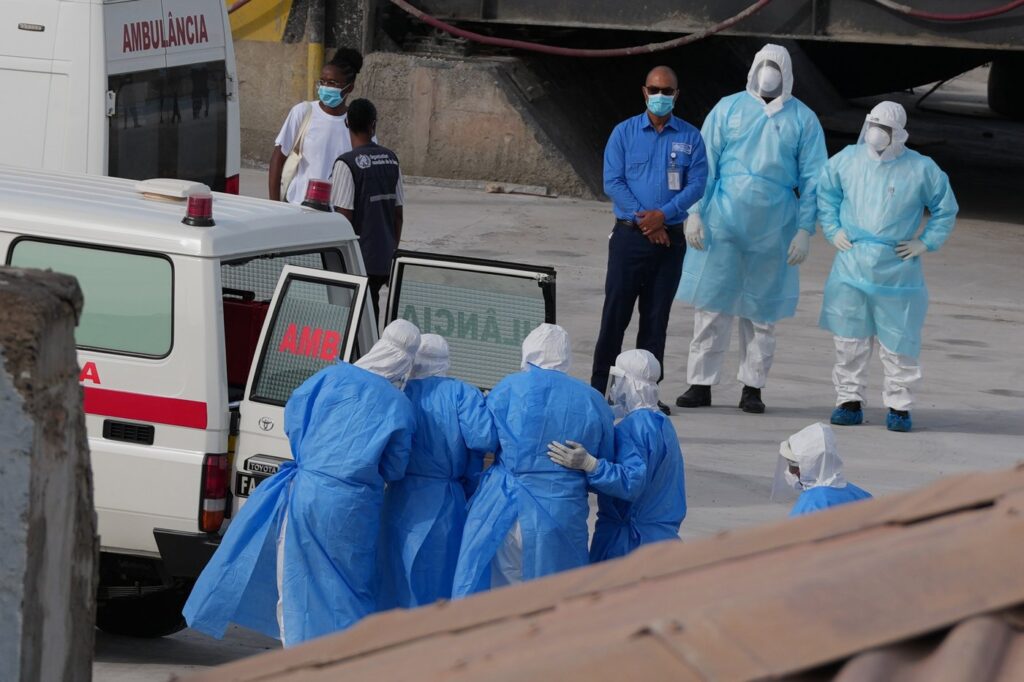
There have been eight reported cases of Andes virus infections linked to the cruise ship, including three fatalities. The Andes virus, a type of hantavirus that originates in rodents, is notably the only hantavirus known to spread between humans. In light of this outbreak, several Canadians who were in contact with infected passengers have been advised to isolate.
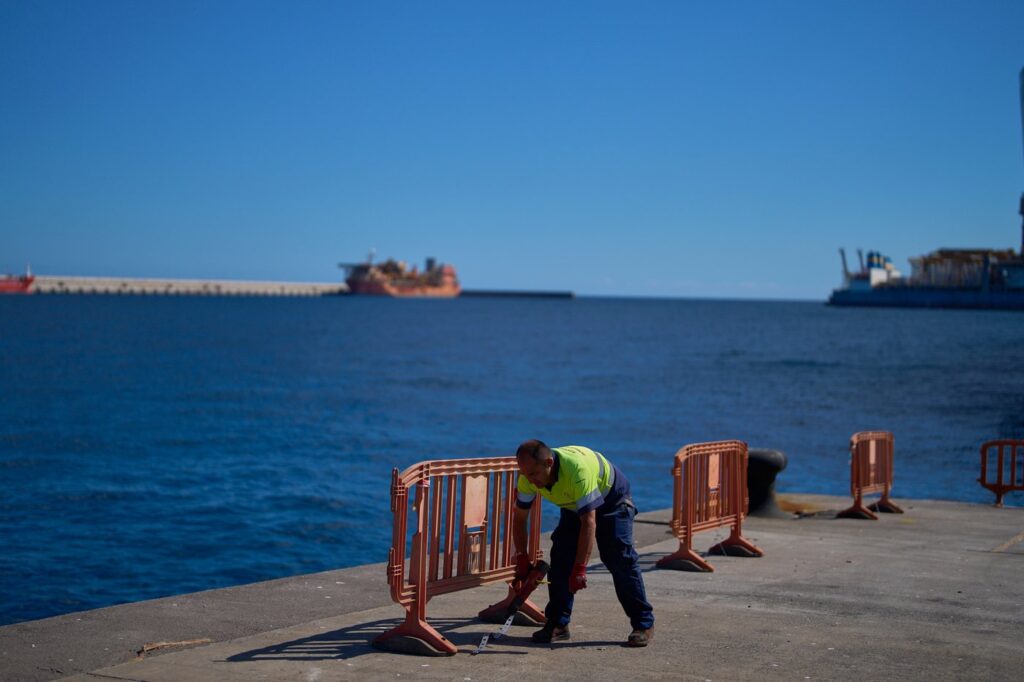
A couple from the Grey Bruce region in Ontario disembarked from the ship in late April, prior to the outbreak’s public declaration, and they have exhibited no symptoms as of now. Additionally, four Canadians from Quebec, Alberta, and Ontario, who were not on the ship, may have encountered infected individuals while traveling. Four more Canadians currently remain on the vessel and are expected to be met by consular officials when the ship docks in Granadilla, Tenerife this weekend.
Despite the reported cases, McGeer reassures that human-to-human transmission of the Andes virus is extremely rare, with most cases occurring among household contacts or healthcare workers in regions where the virus is prevalent, such as Argentina and Chile. This characteristic significantly reduces the likelihood of the virus causing widespread outbreaks.
David Safronetz, chief of special pathogens at the National Microbiology Laboratory in Winnipeg, emphasized that the Andes virus does not have the same transmission capabilities as highly contagious viruses such as COVID-19 or influenza. He pointed out that Andes virus spreads primarily through respiratory droplets under very specific conditions, contributing to the risk of hantavirus pulmonary syndrome (HPS), a severe illness that can result from infection.
McGeer further elaborated on the differences in contagiousness between the Andes virus and respiratory viruses like COVID-19 and influenza. She highlighted that those infected with HPS are most contagious when they are seriously ill, unlike COVID-19, which can spread before symptoms appear. The reproductive ratio, or R number, is an essential metric in assessing a virus's potential to cause an outbreak; COVID-19, influenza, and measles all have an R number greater than one, indicating sustainable human-to-human transmission. In contrast, the Andes virus does not.
The setting of the outbreak aboard a cruise ship, where individuals live closely together, also plays a role in the transmission dynamics, yet given the specific nature of the Andes virus, widespread transmission is deemed unlikely. McGeer underscores the importance of taking precautions as affected passengers return home, emphasizing that although the risk of significant outbreaks is low, vigilance remains essential.
Hantaviruses typically have a long incubation period, ranging from one to eight weeks, with the median being around two weeks. McGeer noted that the response to this outbreak, coordinated by the World Health Organization (WHO), has been effective, demonstrating remarkable international cooperation. The WHO has also affirmed that this outbreak of hantavirus is unlikely to escalate into a pandemic, with preventive actions being taken to curb any potential spread.
Maria Van Kerkhove, acting director of epidemic and pandemic management at WHO, reiterated that the transmission characteristics of the Andes virus differ significantly from those of coronaviruses, describing the current situation as distinct from the challenges posed in previous years.