Kosovo Snap Election Results in Political Stalemate
In the recent snap election held on Sunday, Kosovo Prime Minister Albin Kurti's party, Vetëvendosje (Self-Determination Movement), emerged as the largest political force. However, despite securing the most votes, the party could not obtain the necessary seats to form a government independently. This has set the stage for challenging coalition negotiations, as no single party obtained a clear mandate to lead the country.
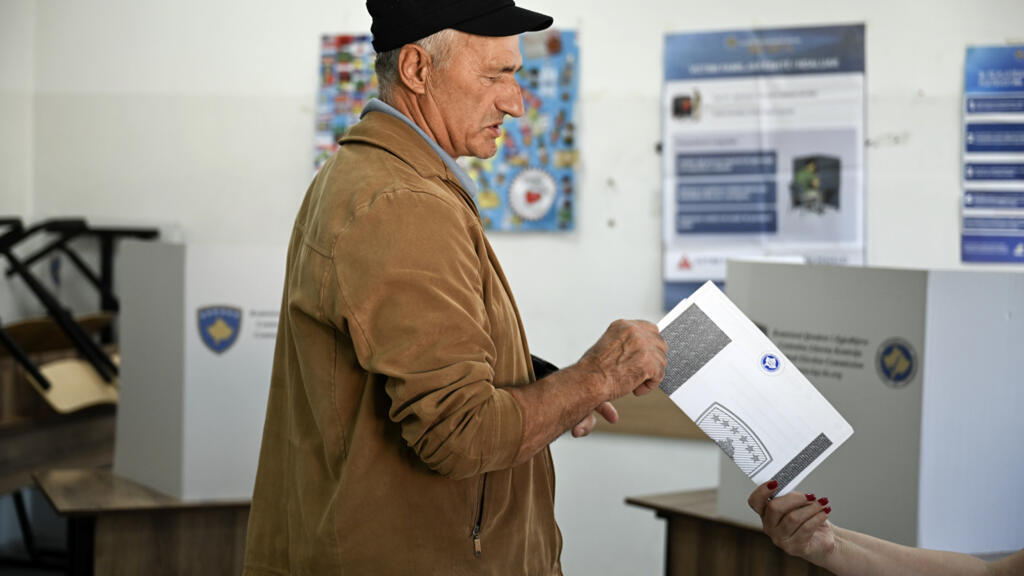
The election, which was characterized by a notably low voter turnout, reflected widespread public frustration with the existing political climate in Kosovo. Many citizens expressed disappointment with the political options available, leading to a lack of enthusiasm about participating in the electoral process. Such voter sentiment has contributed to the ongoing political deadlock that has plagued Kosovar politics in recent years.
In this context, the results have raised concerns regarding the stability and functionality of government in Kosovo. Albin Kurti’s Vetëvendosje secured approximately 34% of the vote, solidifying its position as the leading party. However, this percentage falls short of the majority needed to govern without forming a coalition. With fragmented electoral results, it is now imperative for Kurti and his party to seek potential alliances with other parties in order to create a governing coalition.
The other main political parties, including the Democratic Party of Kosovo (PDK) and the Socialist Party of Kosovo (PSK), also performed variably in the election. The PDK, traditionally a dominant force, managed to secure around 24% of the votes, while the PSK received 17%. Given these divisions, the prospect of coalition-building becomes complicated, as differing political agendas and ideologies must be reconciled.
Furthermore, the election's outcomes may reflect broader regional trends and influence future elections in the Balkans. With political stability being a significant concern for Kosovo, it remains to be seen how the evolving coalition negotiations will shape the country’s governance and its path toward addressing pressing issues, such as economic development, international relations, and the rule of law.
The local and international communities are closely monitoring the situation, as Kosovo has faced numerous challenges since declaring independence from Serbia in 2008. The inability of political factions to unite and govern effectively poses risks to both domestic stability and international credibility, particularly in the context of aspirations for closer ties with the European Union.
As Kosovo approaches this pivotal point in its political landscape, ongoing dialogues among various parties will be crucial. The coming weeks will determine how Albin Kurti and other leaders navigate these political waters and whether they can ultimately forge a functioning government that addresses the needs of their constituents. The outcome will likely have lasting implications for the future of Kosovo and its efforts to integrate more fully into the European political framework.