SAN JUAN, Puerto Rico (AP) — The United States imposed new sanctions on Cuban state companies on Tuesday, a move analysts predict will deter foreign investors and exacerbate an already severe economic crisis on the island. U.S. Secretary of State Marco Rubio announced that the sanctions target five Cuban entities, several of which are associated with Grupo de Administración Empresarial S.A. (GAESA), a business conglomerate managed by Cuba's Revolutionary Armed Forces, which reportedly controls nearly 40% of Cuba's gross domestic product and holds approximately $14.5 billion in liquid reserves as of early 2024.
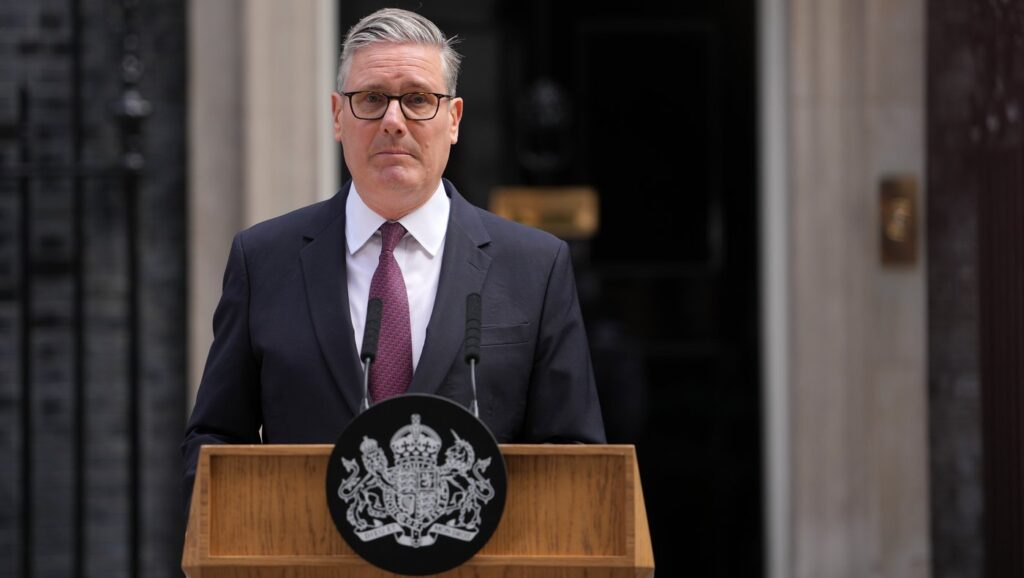
Rubio criticized the Cuban government, claiming that the Communist regime prioritizes its control over the welfare of the Cuban population. He accused "regime elites" of exploiting GAESA to misappropriate the island's limited resources for repression and anti-American activities instead of essential services. In response, Bruno Rodríguez, Cuba's foreign affairs minister, dismissed the sanctions as "dishonest and mendacious," asserting that Cuba has demonstrated resilience against what he termed "ruthless aggression" from the U.S.
Cuba's U.N. Ambassador Ernesto Soberón Guzmán echoed these sentiments, arguing that the intensified sanctions are aimed at undermining the Cuban economy, not supporting the Cuban people. He criticized Rubio and other U.S. officials, labeling their statements as a "chorus of lies." The new sanctions pose significant risks for any entity that does business with the targeted Cuban companies, which could lead to further isolation from the U.S. financial system.
Among the sanctioned entities is Almacenes Universales S.A. (AUSA), the primary logistics and warehousing firm for Cuba's export and import activities. This company plays a vital role in the logistics supply chain, particularly at the port of Mariel, which is crucial for both the state and private sector. If foreign companies refrain from engaging with storage entities like AUSA, it could severely hinder the flow of goods into Cuba, potentially resulting in humanitarian issues.
Also on the list is Rafin S.A., which serves as a financial arm within GAESA, although it is not classified as a bank. It is believed to manage capital and facilitate financial transactions for GAESA. Banco Financiero Internacional S.A., another entity sanctioned, functions as a key institution for foreign investors operating in Cuba, making its designation highly impactful for those looking to do business on the island.
The remaining targeted entities include Geominera S.A., a Cuban state-owned mining company, and Empresa Siderúrgica Jose Martí, the country's largest raw steel producer. Additionally, the final sanction was placed on Annalie Lilliam Rueda Cardero, the daughter-in-law of former Cuban President Raúl Castro.
This recent wave of sanctions follows Cuba’s announcement of a series of economic reforms, including allowing the private sector to bypass the state when importing goods. However, experts like Professor Michael Bustamante from the University of Miami remain skeptical about the efficacy of these reforms, citing operational uncertainties. He noted that the U.S. sanctions are intended to discourage foreign investment by making it clear that engaging with designated entities poses significant risks.
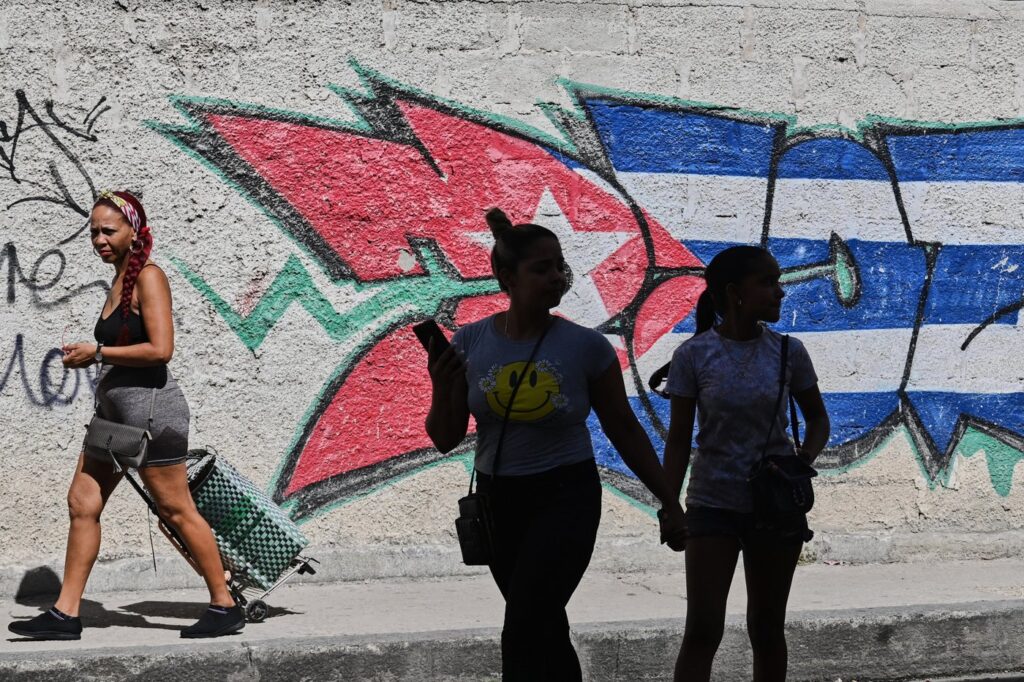
As the U.S. continues to leverage economic pressure to provoke a change in Cuba's political and economic landscape, the Cuban government has consistently denied being a threat to the United States. Meanwhile, Cuba faces mounting challenges including severe blackouts and shortages of food and water, compounded by U.S. sanctions and an energy blockade, creating dire conditions for its population.
This situation poses critical questions regarding the future of U.S.-Cuba relations as the Trump administration intensifies its approach to economically and politically isolate Cuba, purportedly aiming to foster a change in its governance model.