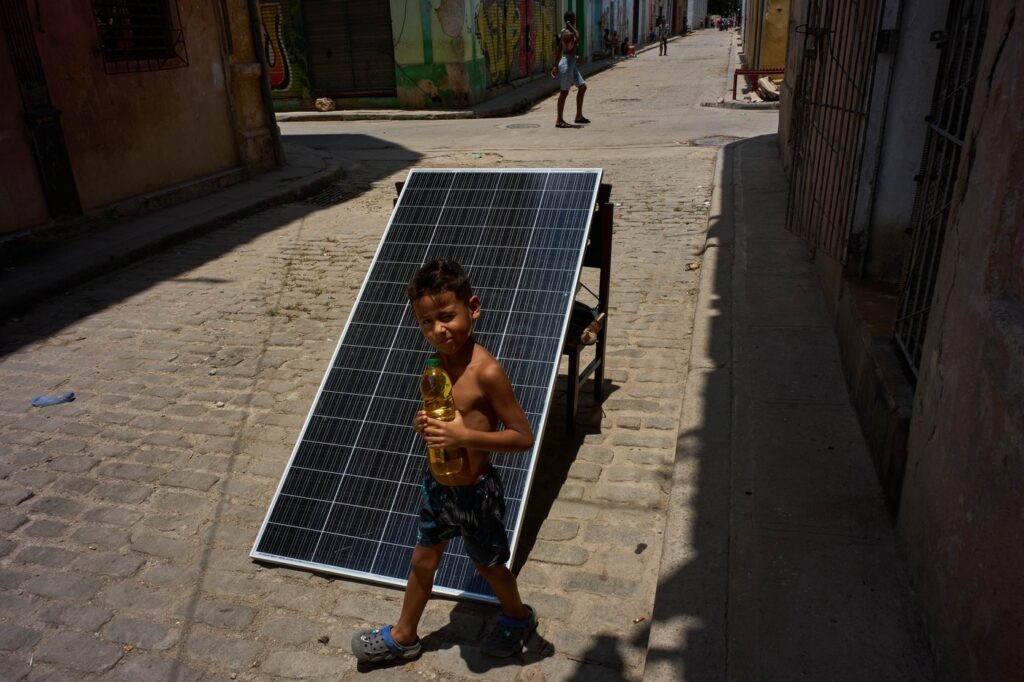
HAVANA, Cuba (AP) — Cuba experienced a nationwide blackout on Monday as the island grapples with dwindling fuel reserves and a deteriorating electric grid. The state-run Electric Union confirmed the outage, stating that the cause remains under investigation. In an effort to address the crisis, Cuba's Ministry of Energy and Mines announced on social media that it has initiated protocols to restore electricity across the country.
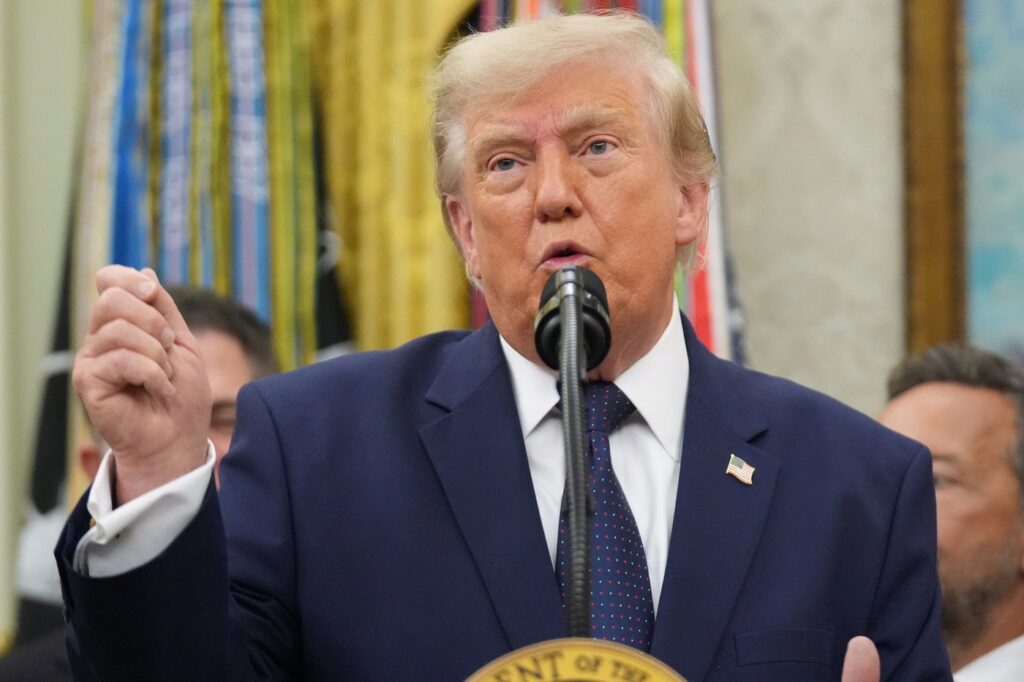
The energy crisis in Cuba has intensified since January when former U.S. President Donald Trump warned of tariffs on any country that sells or provides oil to the island, aggravating an already severe economic situation. The lack of fuel has led public transportation services to come to a near halt, and numerous surgeries have been postponed or canceled. Energy Minister Vicente de la O Levy noted that emergency microsystems were activated shortly after the outage to ensure that vital services remain operational amid the "complex situation exacerbated by the energy blockade" imposed by the United States.
In the face of these challenges, Cuban President Miguel Díaz-Canel accused the U.S. of attempting to provoke social unrest in Cuba by strangling its fuel supply. He described the efforts of electrical workers during this crisis as "heroic" in a tweet, highlighting the struggles faced by the Cuban population.
The blackout has caused significant concern among Havana residents. Lina May, a 36-year-old woman, expressed her anxiety about not being able to prepare food, stating, "I just told my dad that we have to buy charcoal because otherwise we won’t eat and we’ll starve." Another resident, 40-year-old Richard Valdés, lamented the ongoing hardships: "We’re without power again. Now we have no water, no gas, nothing until they restore it." This sentiment is echoed by many, as frustration and desperation grow amid increasingly frequent outages.
Cuba only produces about 40% of the fuel it requires, and the stock from a Russian tanker that arrived in late March was depleted by the end of April. The government has also begun implementing scheduled power outages that can last over 24 hours to manage the ongoing energy shortfall. Previous blackouts have affected various regions of the island, including major outages in mid-May and mid-March that impacted the entire country.
Many residents, like 33-year-old Mario Pedroso from Havana, have become resigned to the repeated power outages. "Oil hasn’t come in here for a while, and we have no way to solve the problem," he said. "We have to resist, as we Cubans say. That’s all." This spirit of resilience reflects the reality faced by millions living under challenging conditions as the nation strives to cope with environmental and economic pressures.
___
Associated Press writer Dânica Coto in San Juan, Puerto Rico contributed to the report.
___
For ongoing coverage of Latin America and the Caribbean, visit AP News.