Watching Canada embrace the FIFA World Cup has been a "breathtaking" experience for Kevin Blue, the CEO of Canada Soccer. Blue expressed that the enthusiasm surrounding the tournament extended beyond mere participation; Canadians genuinely celebrated their national team's performance.
In a recent video press conference, Blue recalled a particular moment in Vancouver when he was part of a motorcade heading to the venue. "There’s people lining the streets, cheering and waving their hands at the bus, and people that are waiting at red lights are honking their horns in support of the team," he stated. The support from both Vancouver and Toronto was described as emotional, especially for players from those areas, illustrating how the cities transformed to rally behind the national team.
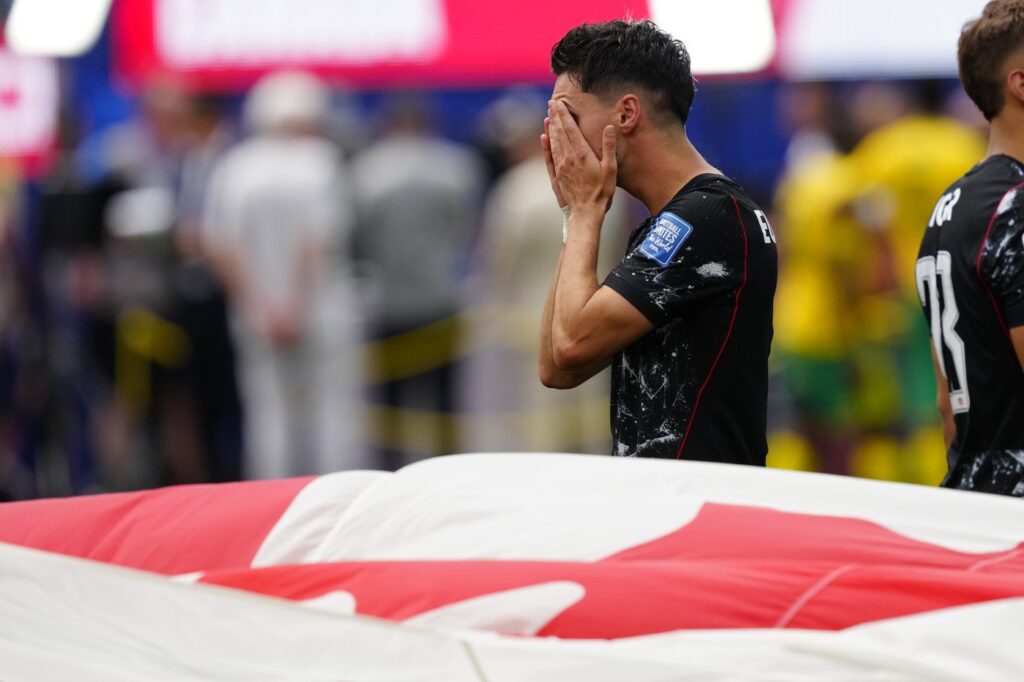
Canada's journey in the World Cup was historic, culminating in a 3-0 defeat to Morocco in the round of 16. Despite the loss, the team achieved significant milestones, including earning their first point and first win in men's World Cup history, along with their inaugural appearance in the knockout round.
According to Blue, the tournament was “successful on a variety of fronts,” yet he emphasized the work that remains to enhance soccer across Canada. He articulated that the upcoming World Cup in 2026 is intended to act as a catalyst for growth rather than a conclusion. Plans for establishing a national training center are in progress, along with initiatives to fortify youth teams and develop pathways for talented young players to reach both men's and women's national teams.
Blue highlighted the necessity of engaging new fans and demonstrating that soccer's allure extends beyond the World Cup. "There are professional soccer clubs in many communities across Canada, and we hope that the World Cup will inspire people to go buy tickets and attend games and consume them on TV," he mentioned.
Moreover, the Canadian team faced numerous adversities throughout their World Cup campaign. This included a significant injury to midfielder Ismaël Koné during a 6-0 victory over Qatar, where he suffered a broken leg due to a tackle. Injuries had been a prevailing challenge even before the squad was finalized, impacting players like captain Alphonso Davies. He dealt with a hamstring injury sustained while playing for Bayern Munich and missed much of the training camp.
Although Davies was included in the 26-man roster by head coach Jesse Marsch, he missed all three group-stage matches, only joining the team as a substitute in the round-of-32 victory over South Africa. He elected to sit out the subsequent match against Morocco due to concerns arising during training. Blue noted, however, that Davies’ impact on and off the field was invaluable, leading to the decision to include him in the squad despite his injuries.
Financially, Canada soccer garnered approximately USD$18.5 million from their World Cup performance. Blue clarified that not all the prize money would be utilized to grow the sport; a negotiation earlier this year mandates that half of the funding contribute to a prize pool shared with the women’s program should they qualify for the 2027 World Cup. If not, that portion will revert to Canada Soccer for reinvesting in grassroots initiatives and youth national teams. The other half would support increased expenses resulting from the team’s advancement in the tournament.
Blue emphasized that while the winnings are positive, they do not serve as the principal strategy for revenue generation. “It’s positive for sure,” he acknowledged, “but as a business strategy, advancing in the World Cup is not necessarily the primary lever that we’re trying to pull for revenue.”