BRUSSELS (AP) — A group of European lawmakers is rallying support to initiate an investigation within the European Parliament into FIFA president Gianni Infantino. This follows his controversial involvement in the decision to allow U.S. striker Folarin Balogun to compete despite receiving a red card during a match. Balogun was sent off during the United States' victory over Bosnia-Herzegovina on July 1, which typically would have barred him from participating in the team's subsequent game.
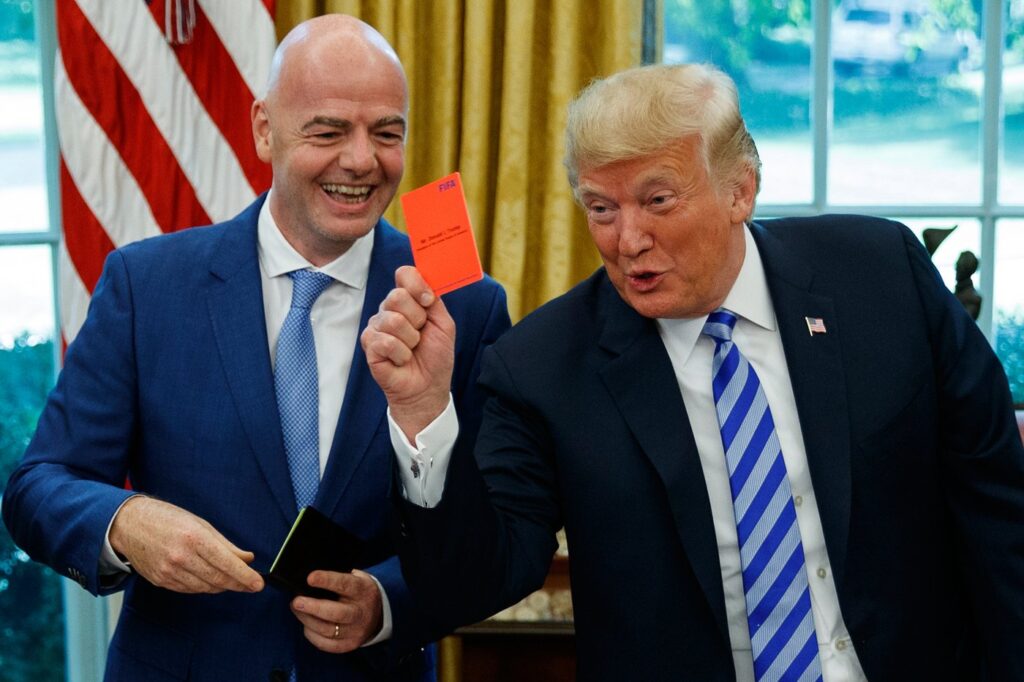
However, FIFA unexpectedly lifted Balogun's suspension on the eve of a critical match, a decision reportedly influenced by an intervention from U.S. President Donald Trump, who contacted Infantino advocating for the 25-year-old player. In a joint statement, European Parliament members Barry Andrews, Lara Wolters, and Niels Fuglsang condemned FIFA's decision, calling it "a disgrace and a perversion of justice." They expressed particular concern about the apparent capitulation of FIFA to political pressure.
In their statements, the lawmakers criticized Infantino and FIFA for allegedly submitting to the demands of the Trump administration, claiming it undermines the fundamental principles of fairness in sports. They emphasized that the integrity of the game relies on impartial and transparent rules, and when political influence determines eligibility, it compromises the essence of sporting fairness.
The lawmakers are urging the national football associations of EU countries to press the FIFA Ethics Committee to investigate Infantino’s decision, particularly examining whether pressure from the Trump administration played a role in lifting Balogun's suspension. Moreover, they raised concerns over other potential breaches of political neutrality, including FIFA's decision to award the FIFA Peace Prize to Trump.
FIFA has since stated that the lifting of Balogun's suspension was a decision made by a disciplinary committee rather than a direct response to any outside pressures. Nonetheless, the lawmakers continue to challenge the integrity of this decision, emphasizing that it erodes public confidence in FIFA’s ability to govern consistently and fairly.
As of now, the initiative to launch an investigation has gained traction, with 35 colleagues within the European Parliament expressing their support by signing a letter advocating for accountability. This gathering momentum reflects growing unease regarding FIFA’s governance and the perceived interplay between sports and political influence.
The situation is unfolding against a backdrop of heightened scrutiny over FIFA's operations and decision-making processes. With significant political figures involved and allegations of undue influence emerging, the potential investigation will likely delve deep into whether these actions are reflective of broader issues within FIFA and its leadership under Gianni Infantino.