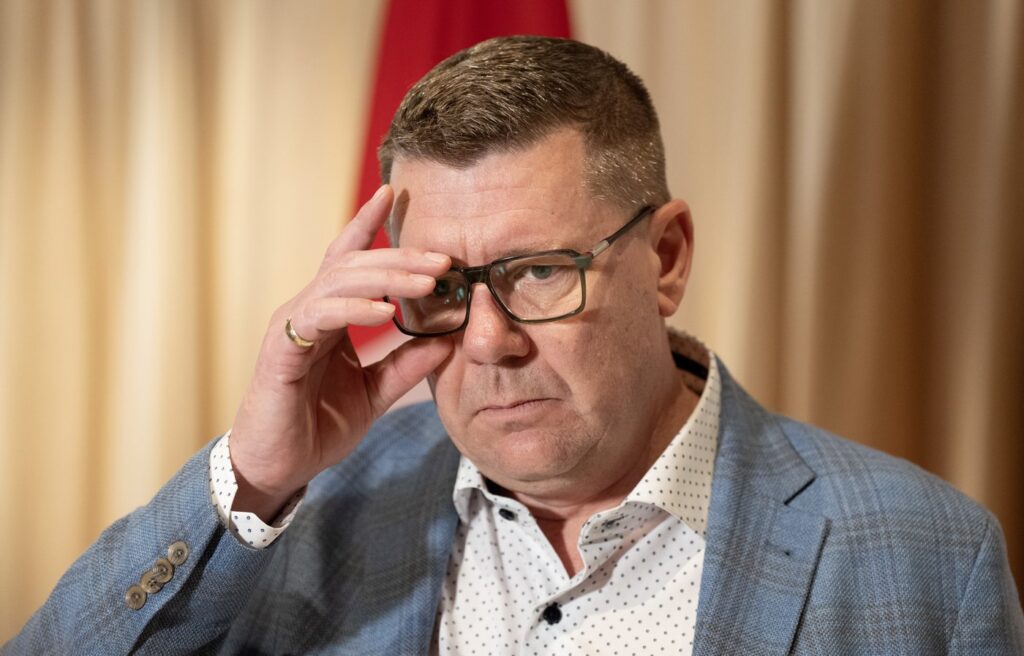
PRINCE ALBERT - In response to escalating trade tensions with the United States, Saskatchewan is implementing a reciprocal tax on American alcohol. Premier Scott Moe announced on Wednesday that starting from September 8, the province will impose a 50 percent fee on American liquor.
"This measure will benefit our Saskatchewan producers, enhancing local and domestic sales," Moe stated during a press conference in Prince Albert, Saskatchewan. This decision comes on the heels of recent breakdowns in trade negotiations between Canada and the United States.
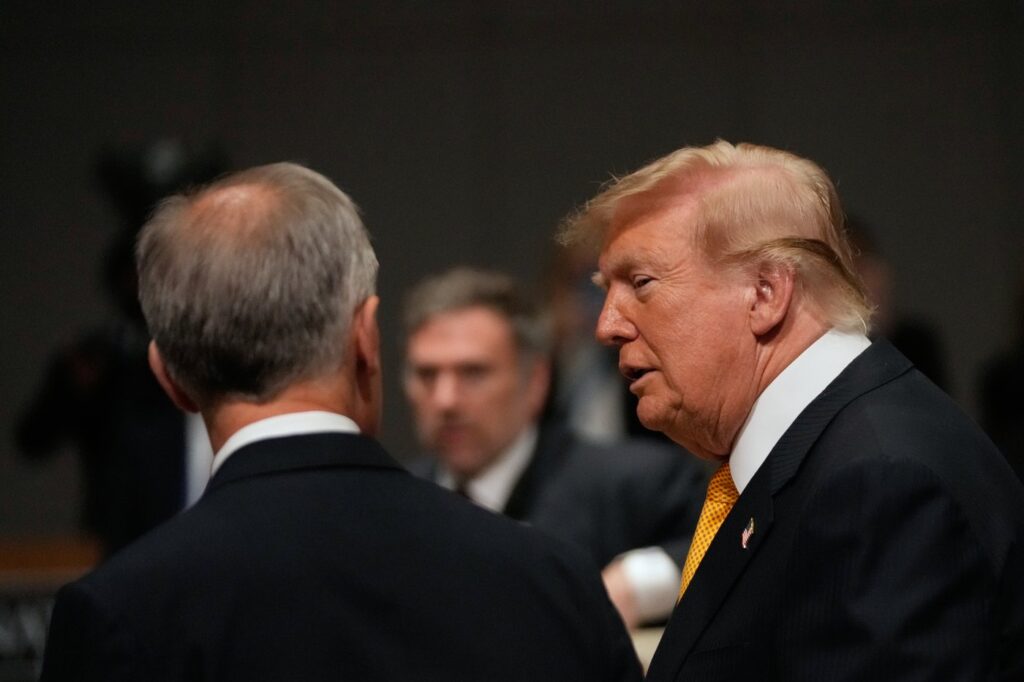
U.S. President Donald Trump had earlier instituted a 50 percent tariff on Canadian liquor, prompting Prime Minister Mark Carney to assure that retaliatory tariffs would be enacted dollar-for-dollar starting on the same date, September 8.
Unlike other provinces, Saskatchewan and Alberta currently do not have any restrictions on American alcoholic beverages. Moe emphasized that while the province aims to protect its interests, it also values choice for consumers. "U.S. liquor will remain available on store shelves because we do not want to limit the public's ability to choose," he stated.
He pointed out a notable trend in consumer behavior, describing a roughly 40 percent decline in sales of American liquor in Saskatchewan, which suggests that residents are increasingly supporting local products. Moe remarked, "This sends a much stronger message than any government-ordered ban," adding that the sales of Saskatchewan-made products have risen concurrently.
Jim Bence, president and CEO of Hospitality Saskatchewan, noted that liquor retailers have not expressed opposition to the new tax. "The feedback I've received shows that people support our provincial government in taking appropriate actions against U.S. tariffs," Bence mentioned.
In addition to the alcohol tax, the Saskatchewan government is actively supporting local businesses by awarding nearly all government contracts to Canadian companies. Moe indicated that upcoming regulations would restrict new data centers to Canadian firms, further supporting the local economy. Bell Canada is currently constructing a significant 300-megawatt data center near Regina.
Moe reiterated his approval of Canada’s current countermeasures against the United States while expressing hope for a return to negotiations to reach a fair agreement. He described a last-minute proposal from the U.S. administration to limit Canada's trading capabilities with other nations as "totally unacceptable."
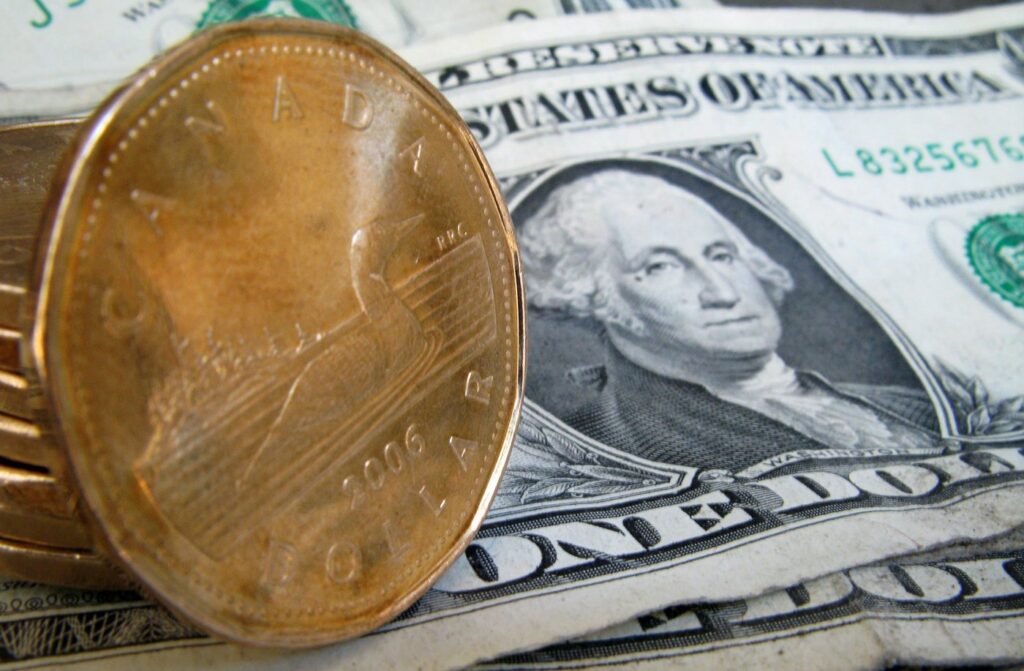
According to Moe, tariffs imposed by the United States impact around six percent of Saskatchewan’s economy, while the province maintains free access in other sectors. Conversely, Canada’s countermeasures affect about 11 percent of imports from the U.S., equating to approximately $1.6 billion worth of goods.
"We may see those tariffs escalate in the days ahead," Moe warned. A number of provincial premiers have weighed in on possible actions Canada could take against the U.S. as leverage. Ontario Premier Doug Ford proposed that Alberta halt oil shipments to the U.S., while British Columbia Premier David Eby suggested a review of U.S. thermal coal exports through British Columbia.
Both Moe and Alberta Premier Danielle Smith have opposed implementing export taxes on oil, citing potential negative economic impacts. Additionally, Moe rejected the idea of an export fee on potash, crucial for fertilizer production, noting it could lead to job losses and increased costs for farmers on both sides of the Canadian-American border.
If Canada were to restrict potash exports, Moe warns that the U.S. might source from other nations, such as Belarus, which has ties with Russia. "This would be a tremendously flawed policy," he asserted.
Moe concluded by advocating for the construction of more pipelines in Canada and policy changes that would facilitate the transportation of Prairie products through the Port of Vancouver. He criticized past federal decisions that have hindered pipeline development, stating, "We have sacrificed some energy security, which jeopardizes our sovereignty. We must not repeat those mistakes."
This article highlights the ongoing trade disputes and the Saskatchewan government's approach to protecting its economy while navigating the complexities of international relations.