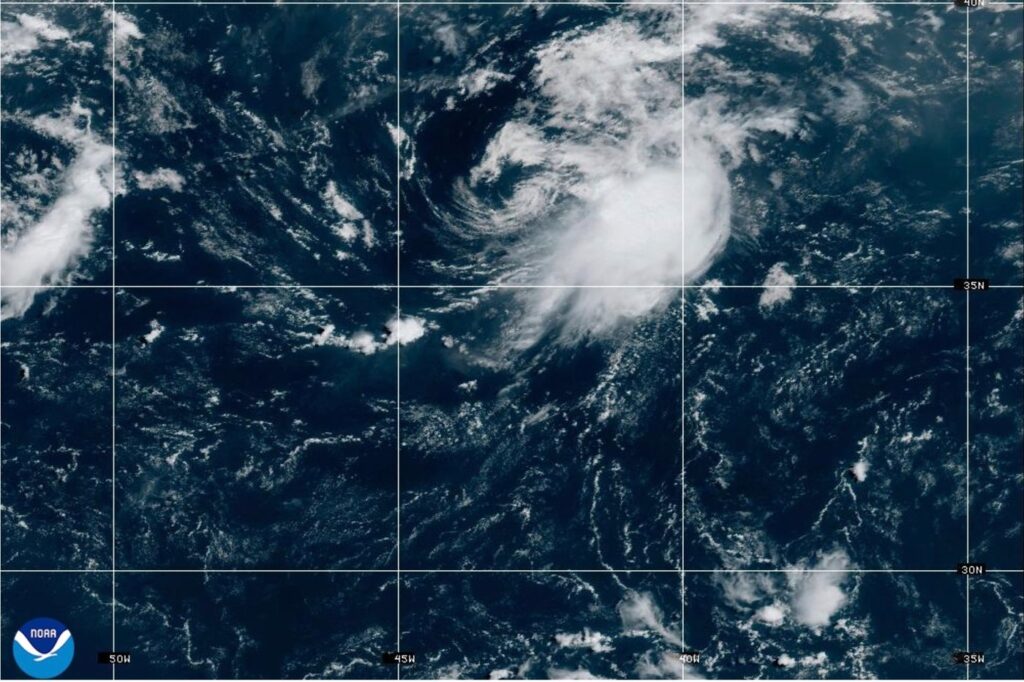
MIAMI (AP) The next tropical storm set to form in the Atlantic during this hurricane season will bear the name Dolly. This choice of name is purely coincidental and has no relation to the recent passing of Dolly Parton on Tuesday.
The process of naming storm systems is governed by procedures established by the World Meteorological Organization (WMO). The naming lists, which alternate between male and female names, are reused every six years in the Atlantic region. This ensures a systematic method for naming storms that facilitates public communication about weather events.
This current hurricane season began with Tropical Storm Arthur making landfall along the U.S. Gulf Coast in June. Following Arthur, Tropical Storm Bertha brought significant rainfall to Louisiana and Texas in July. Additionally, Tropical Storm Cristobal formed in the Atlantic early in August but quickly dissipated.
The National Hurricane Center (NHC) is currently monitoring a weather system located off the coast of Africa, which has the potential to strengthen into a named tropical storm. Forecasters have indicated that conditions are somewhat favorable for an area of thunderstorms positioned south of the Cabo Verde Islands to develop into a tropical depression within the coming week.
If this system progresses and achieves maximum sustained winds of at least 39 mph (63 kph), it will be designated as Tropical Storm Dolly. The formation of such storms aligns with the season's overall weather patterns and occurrences.
Moreover, the National Oceanic and Atmospheric Administration (NOAA) has projected a below-average Atlantic hurricane season due to the influences of El Nino. According to forecasts, the season is expected to produce between eight to fourteen named storms, with three to six potentially reaching hurricane strength, and one to three of those could escalate into major hurricanes.
The NHC and other meteorological organizations find it essential to assign names to storms to facilitate effective communication regarding storm warnings. This method helps avoid confusion during weather alerts and ensures that the names are easily recognizable and pronounceable for the populations in the regions affected. The WMO regularly reviews and evaluates potential names, retiring some when storms cause significant destruction or loss of life to maintain sensitivity.
For example, the name Melissa was retired following the 2025 season after it was associated with a devastating Category 5 hurricane that wreaked havoc throughout the Caribbean.
The Associated Press